




The Power Duo: Why Squats and Lunges Work
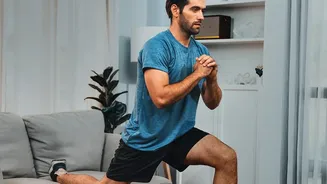
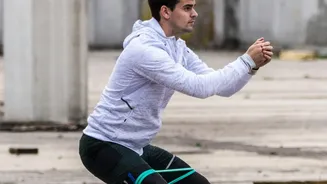
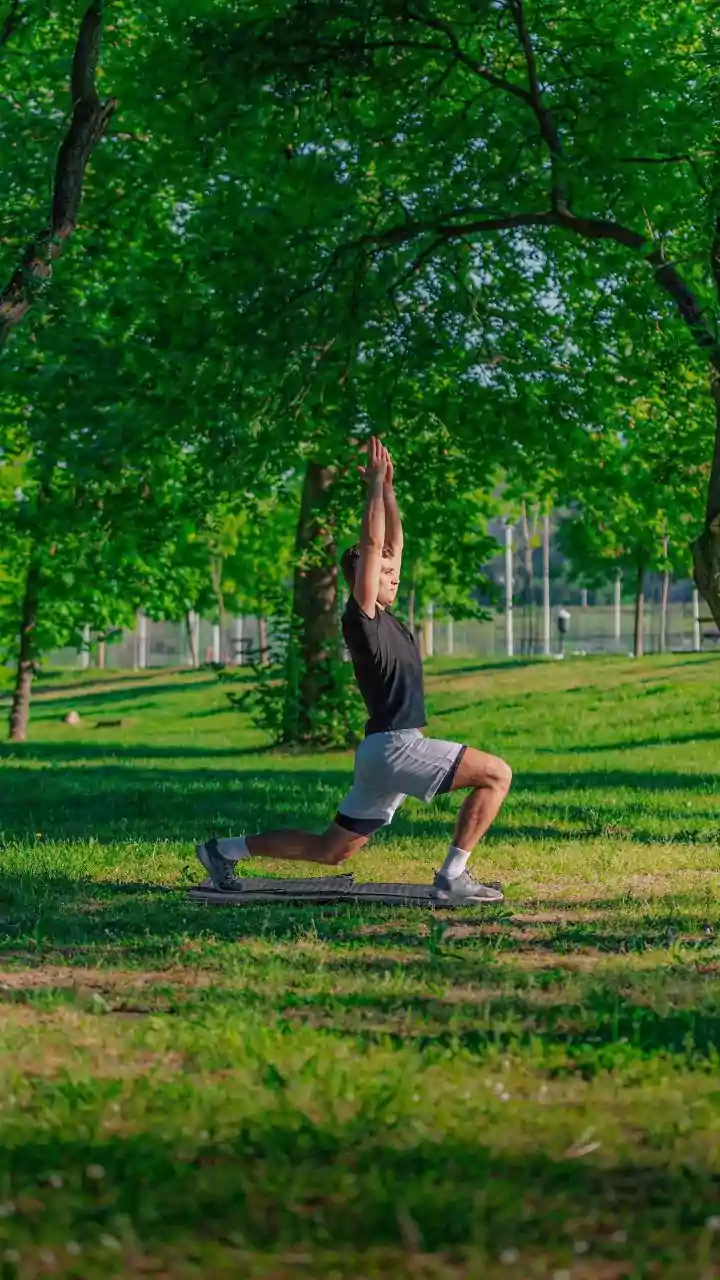
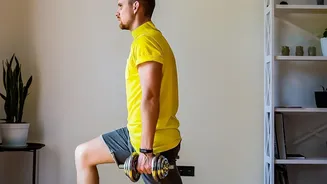
Squats and lunges are fundamental movements for a reason. They are compound exercises, meaning they engage multiple large muscle groups at once, making them incredibly efficient for building lower-body strength. The primary muscles targeted are the quadriceps
(front of the thighs), hamstrings (back of the thighs), and glutes. Squats allow you to lift heavier loads, which stimulates a hormonal response that aids muscle development. Lunges, being a unilateral exercise (working one leg at a time), challenge your balance and coordination, activating smaller stabilising muscles in the hips and core that squats might miss. Incorporating both into your routine provides a comprehensive workout, building overall strength while also correcting muscle imbalances.
The Science of Strength: Micro-Tears and Growth
To understand why rest is so important, you first need to know what happens when you exercise. When you perform intense exercises like heavy squats or deep lunges, you are placing your muscles under stress and tension. This causes microscopic tears in the muscle fibres. This might sound alarming, but this 'microtrauma' is a normal and necessary part of the muscle-building process, known as hypertrophy. This damage signals your body to begin a repair cycle. Your immune system gets to work, sending molecules to the site to begin repairing the affected cells. But this repair doesn't just patch up the damage—it rebuilds the muscle fibres to be thicker and stronger than before to better handle the stress next time.
The Rebuilding Phase: Why Rest Is Not Optional
Your muscles don't actually get stronger during your workout; they get stronger while you rest. This recovery period is when the crucial process of muscle protein synthesis (MPS) occurs. During MPS, your body uses amino acids from the protein you eat to repair the micro-tears and build new muscle tissue. This is when true growth happens. If you jump into another intense leg session without giving your muscles adequate time to complete this repair process, you are essentially breaking down muscle that hasn't finished rebuilding. This not only halts your progress but can also lead to overtraining and increase your risk of injury. Rest also allows your body to replenish its energy stores, specifically glycogen, which is the fuel your muscles use during exercise.
How Much Rest Do You Really Need?
So, how long should you wait before hitting the weights for another leg day? For most people engaging in strength training, a rest period of 48 to 72 hours for the same muscle group is recommended. This means if you have a tough leg workout on Monday, you should wait until at least Wednesday, or even Thursday, before training them again. This window allows sufficient time for the muscle repair and synthesis process to occur. The ideal frequency can vary based on the intensity of your workouts, your fitness level, and how your body feels. A beginner might need more recovery time than an advanced lifter. The most important rule is to listen to your body. If you are still feeling significant soreness or fatigue, it's a clear sign you need more rest.
Signs You're Not Resting Enough
Ignoring your body's need for rest can lead to overtraining, which can set your progress back for weeks. Common signs of overtraining your legs include persistent and unusual muscle soreness that doesn't go away, a feeling of 'heaviness' in the legs even during light activity, and a noticeable decline or plateau in your performance. You might find that you can't lift as heavy or complete as many reps as you could before. Other lifestyle signs can include prolonged general fatigue, poor sleep quality, increased irritability, and a lack of motivation to exercise. Experiencing these symptoms is your body's way of telling you to take a break and prioritise recovery.