





The Grains That Time Forgot
Long before wheat and rice dominated India’s fields and plates, millets were the staple food for millions. Grains like jowar (sorghum), bajra (pearl millet), and ragi (finger millet) were cultivated across the subcontinent, valued for their resilience
and versatility. Evidence suggests their consumption dates back thousands of years to ancient Indian civilisations. However, the Green Revolution in the 1960s, while successful in averting food shortages, shifted agricultural focus heavily towards high-yield varieties of wheat and rice. This led to a sharp decline in millet cultivation, and these 'nutri-cereals' were soon branded as 'coarse grains', fading from urban diets and memory.
A Nutritional and Health Revival
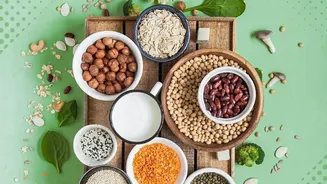
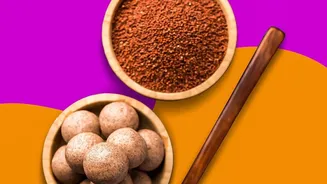
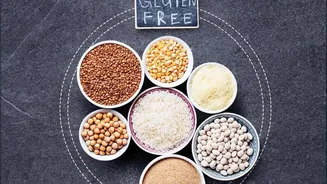
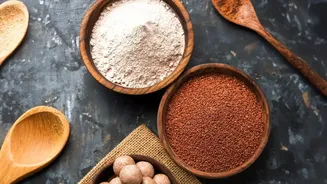
So why the sudden return? The primary driver is a renewed focus on health and wellness. Millets are nutritional powerhouses, naturally gluten-free and packed with protein, fibre, and essential minerals. Ragi, for instance, is famously rich in calcium, supporting bone health. Bajra is a great source of iron, while jowar is loaded with fibre that aids digestion. With a lower glycemic index compared to refined grains, millets release sugar into the bloodstream more slowly, making them a favourable choice for managing blood sugar levels. This impressive profile has nutritionists and health-conscious consumers rightfully labelling them as 'superfoods'.
Good for You, Good for the Planet
The appeal of millets extends beyond personal health to planetary well-being. These are climate-resilient crops, perfectly suited for India's diverse and often harsh agricultural conditions. They require significantly less water than rice and wheat and can thrive in arid regions and less fertile soils, making them a sustainable choice for farmers facing water scarcity and changing weather patterns. This combination of being nutrient-dense and eco-friendly makes millets a smart food for the future, crucial for ensuring food security in a changing world.
The Government's Push for 'Shree Anna'
The resurgence has been further amplified by strong government support. India championed the United Nations' declaration of 2023 as the 'International Year of Millets', a move that has significantly raised global awareness. Domestically, initiatives like the National Food Security Mission and state-level millet missions in places like Odisha are promoting cultivation and consumption. By including millets in the Public Distribution System (PDS) and providing price support to farmers, the government is working to bring these grains, often referred to as 'Shree Anna' or the 'mother of all grains', back into the mainstream food supply chain.
From Roti and Porridge to Pizza and Pasta
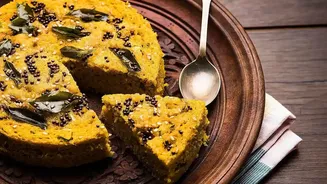
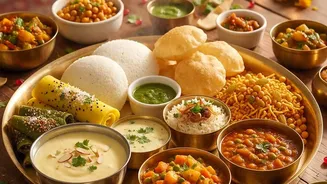
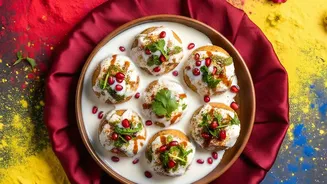
The true test of any food trend is its taste and adaptability in the kitchen, and here millets shine. They are incredibly versatile. While traditional preparations like bajra roti, ragi mudde, and jowar bhakri remain popular, a new generation is experimenting with these grains in modern formats. Cafes and home cooks are now using millet flour for everything from dosas and pancakes to breads, cakes, and even pizza bases. Whole millets like foxtail, kodo, and barnyard millet are being used as healthy substitutes for rice in dishes like pulao, khichdi, and upma, proving that reconnecting with these heritage grains doesn't mean sacrificing flavour or convenience.