







Why Your Scalp Hates Humidity
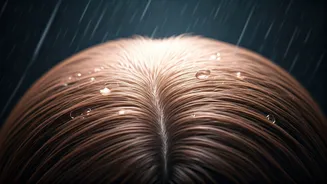
While we enjoy the cool breezes, our scalp is often fighting a quiet battle. The high humidity during the monsoon mixes with the natural oils (sebum) on your scalp, creating a sticky, greasy layer. This environment is not just uncomfortable; it's a paradise
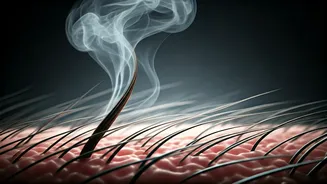
for microbial growth. Fungi like Malassezia, which is naturally present on the skin, can multiply excessively, leading to a flaky, itchy scalp and severe dandruff. Furthermore, the constant dampness can weaken hair roots, leading to increased hair fall. Clogged pores from sweat and grime can also trigger scalp acne and other follicular infections. Essentially, the same weather that brings life to nature can wreak havoc on your head if you're not prepared.
Tip 1: Cleanse Correctly, Not Constantly
There's a temptation to wash your hair every day to combat the grease, but this can backfire by stripping your scalp of its natural oils, causing it to produce even more sebum in response. The key is to cleanse correctly. Switch to a gentle, sulphate-free shampoo for regular use. Wash your hair at least three to four times a week to remove excess oil and buildup. It's also wise to incorporate an anti-fungal shampoo containing ingredients like ketoconazole or zinc pyrithione once a week. This acts as a preventive measure against dandruff and fungal infections. When you shampoo, focus on massaging the product into your scalp with your fingertips to clean it thoroughly, rather than just washing the hair strands.
Tip 2: Never Leave Your Hair Damp
This is perhaps the most crucial monsoon rule. Tying up wet or even slightly damp hair is a major mistake. It traps moisture against the scalp, creating the perfect warm, humid micro-environment for fungi and bacteria to thrive. This can lead to a musty smell, intense itchiness, and severe scalp infections. After every wash, gently squeeze out excess water with a soft towel—avoid vigorous rubbing, which can cause breakage. If you can, let your hair air dry completely. If you're short on time, use a blow dryer on a cool or low-heat setting. The goal is a completely dry scalp before you step out or tie your hair up.
Tip 3: Use Conditioner, But Strategically
Many people with oily scalps skip conditioner, fearing it will make their hair greasier. However, conditioner is essential for nourishing the lengths and ends of your hair, which can become dry and frizzy in humid weather. The trick is in the application. Never apply conditioner directly to your scalp. Instead, apply it from the mid-lengths down to the ends. This ensures your hair strands get the moisture they need without contributing to buildup or oiliness on the scalp itself. A lightweight formula is often best for the monsoon season.
Tip 4: Rethink Your Oiling Routine
The traditional champi is a beloved ritual, but it might need a monsoon-specific adjustment. Leaving heavy oil on your scalp overnight can be counterproductive during this season, as it can clog pores and attract more dirt. Instead of heavy coconut or castor oil, consider lighter options like jojoba or argan oil. Better yet, reduce the duration. Apply the oil for just an hour or two before you plan to shampoo. This gives you the nourishing benefits without creating a greasy, problematic scalp environment. A short pre-shampoo oil massage can still boost circulation and health without the downsides.
Tip 5: Embrace Scalp Exfoliation
Just like the skin on your face, your scalp benefits from regular exfoliation. This process helps remove dead skin cells, product buildup, and excess oil that can clog hair follicles. You can use a physical scalp scrub with fine particles once a week. Gently massage it onto your wet scalp before shampooing. Alternatively, look for scalp serums or shampoos with chemical exfoliants like salicylic acid, which dissolves oil and debris without scrubbing. A clean, exfoliated scalp is less likely to develop dandruff and can better absorb the nutrients from your hair products, promoting healthier hair growth.