



Not All Cucumbers Are Created Equal
For years, the standard supermarket offering was the large, dark green slicing cucumber. Often thick-skinned, waxy, and full of watery seeds, it was a tolerable, if unexciting, salad ingredient. But a different class of cucumber is now stepping into the spotlight.
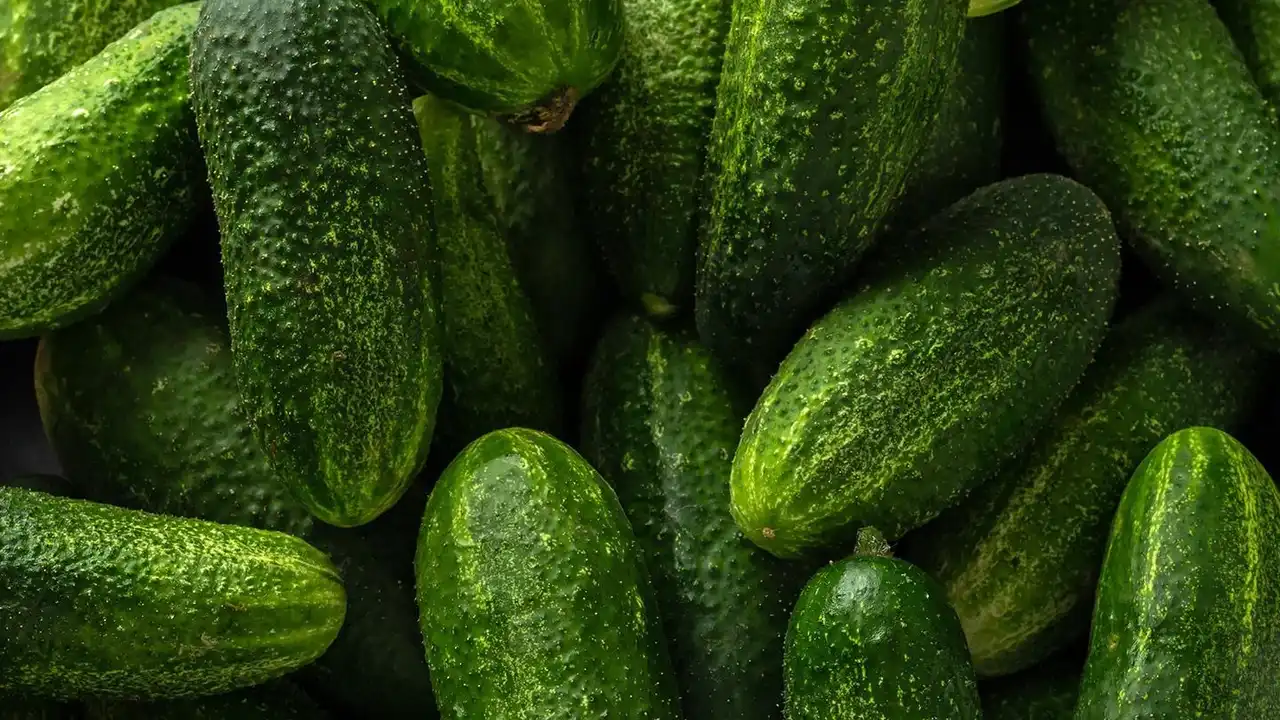
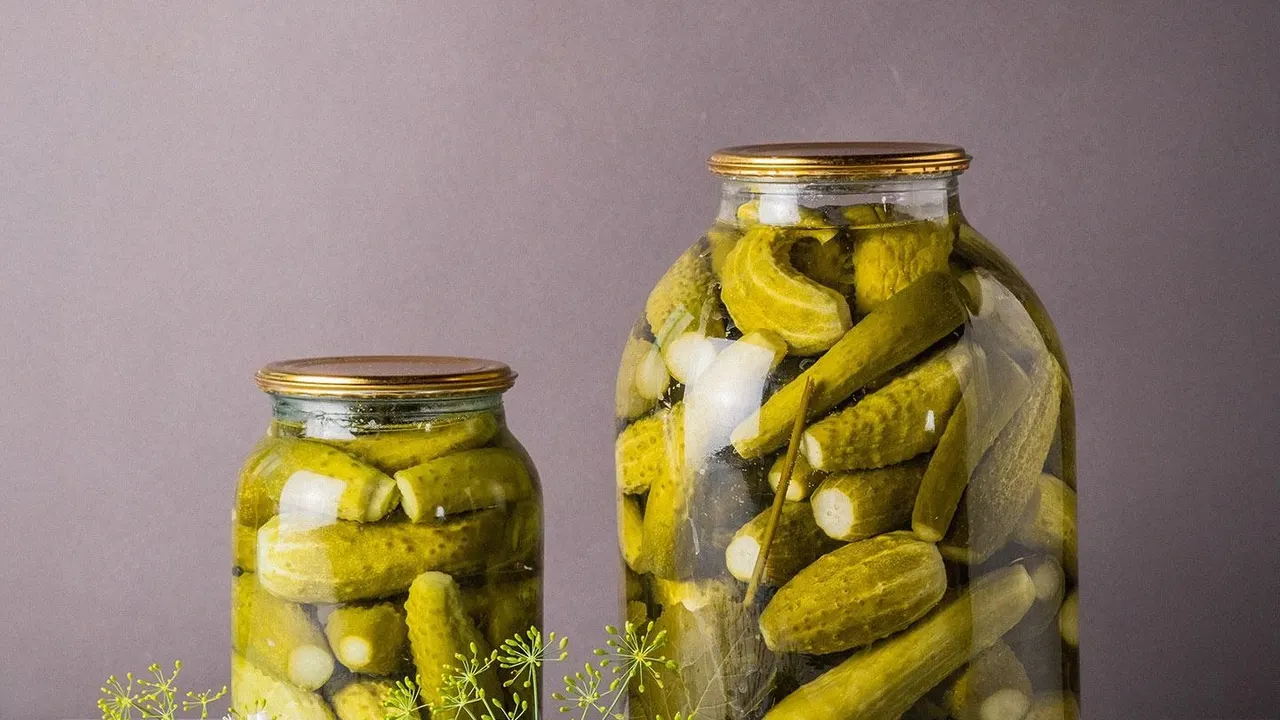
We're talking about varieties like the Persian, Kirby, and various regional heirlooms. These types are smaller, denser, and prized for their thin, unwaxed skin and minimal seeds. Persian cucumbers, for example, are typically four to six inches long with a mild, almost sweet flavour and a distinctly crunchy texture. Kirby cucumbers, the go-to for pickling, share this firm-fleshed quality that makes them just as delightful to eat raw. This shift represents a move away from produce bred for size and transportability towards varieties celebrated for superior taste and texture.
The Growing Crave for Crunch
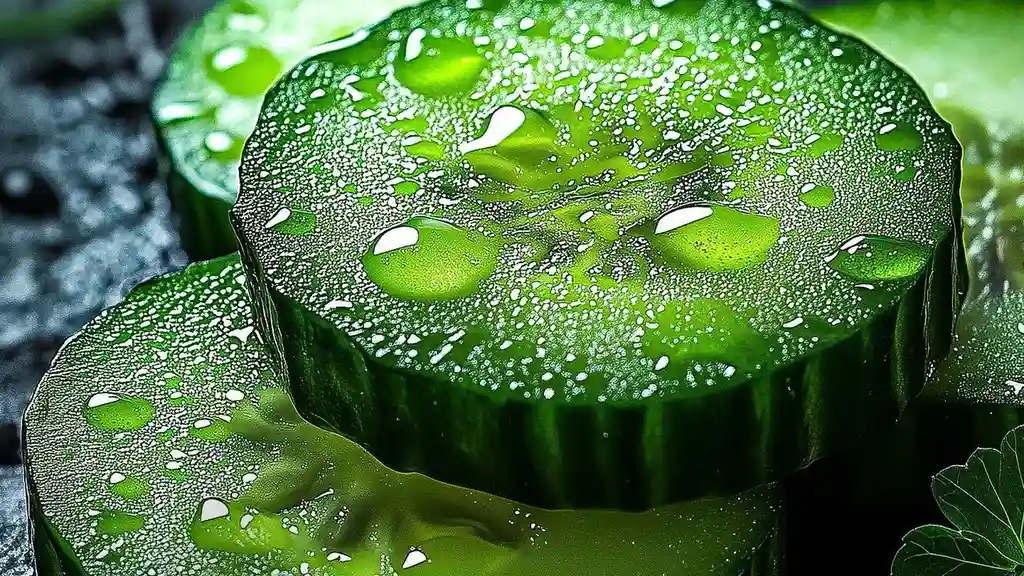
The resurgence of these cucumbers is part of a larger food trend: a renewed appreciation for texture. Chefs, food influencers, and home cooks are increasingly recognising that mouthfeel is just as important as flavour. Texture turns eating into a multi-sensory experience, and 'crunchy' is one of the most desired attributes. This trend is amplified by social media platforms, where the audible crunch of food can make a dish go viral. The watery, often mushy character of standard slicing cucumbers fails to deliver this satisfying sensory feedback. Crunchy varieties, however, provide the textural contrast that elevates everything from a simple salad to a complex dish, making meals feel more intentional and engaging.
A Return to Roots and Flavour
This trend also taps into a growing interest in heirloom and traditional produce. Many of these crunchy cucumbers are not new inventions but heritage varieties that are being rediscovered. In India, for example, unique heirloom cucumbers like the Dosakai from Andhra Pradesh and the Sikkim cucumber from the Himalayas offer distinct flavours and textures prized in regional cooking. The Dosakai is known for its ability to absorb spices in curries, while the Sikkim cucumber has a strong, robust taste. This movement is a backlash against the homogenisation of produce. Consumers and farmers are looking past mass-market varieties to rediscover vegetables that offer more character and a connection to culinary history. By choosing these heirlooms, people are voting for biodiversity and a richer, more flavourful food system.
From Snacking to Stir-Fries
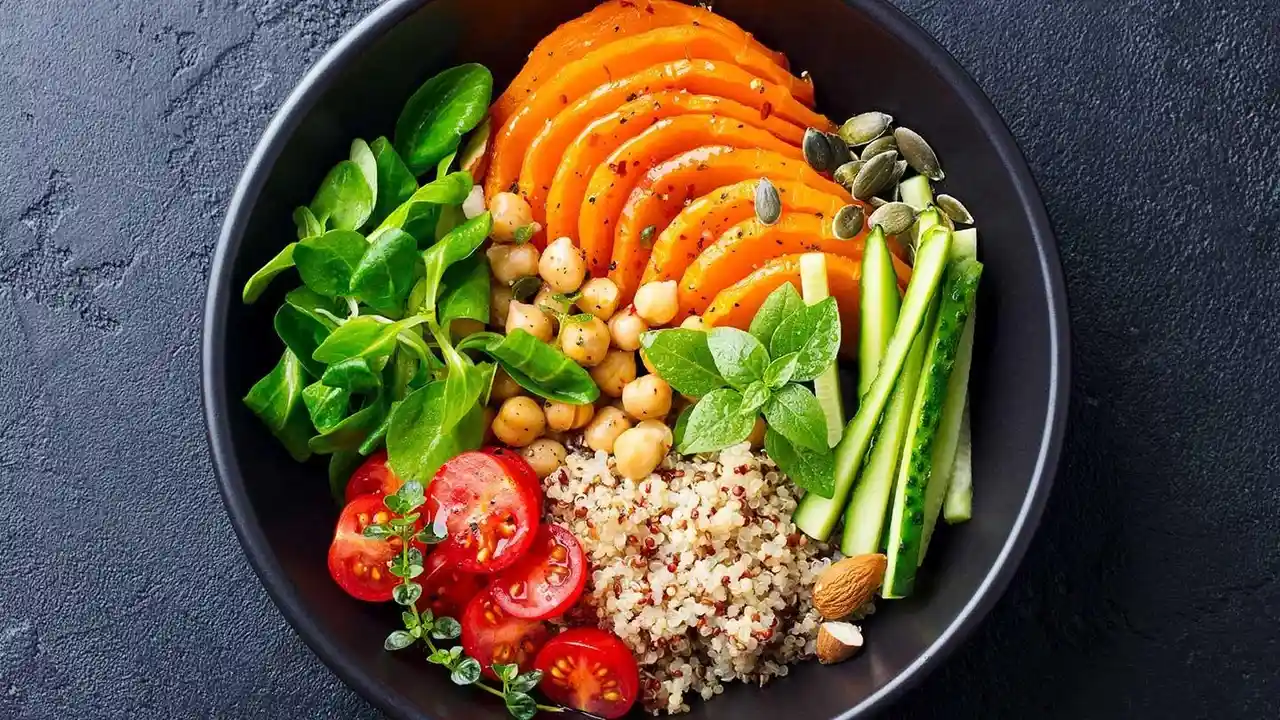
The versatility of crunchy cucumbers is a key driver of their popularity. Their firm texture means they don't turn to mush when cooked, opening up a world of culinary uses beyond the salad bowl. They can be stir-fried, added to soups and sauces, or served as a quick-fried side dish. Their convenient, snackable size also makes them a modern staple. Persian cucumbers are perfectly suited for grab-and-go snack packs, pairing well with dips like hummus. Their thin skin is a major advantage. While the wax on conventional cucumbers is food-safe, many people prefer to peel it off, losing valuable nutrients in the process. The peels of unwaxed cucumbers are a great source of fibre, vitamin K, and other minerals. The ability to eat the entire vegetable without peeling enhances both convenience and nutritional value.
How to Pick the Perfect Crunch
When shopping for crunchy cucumbers, look for ones that are firm to the touch with no soft spots or blemishes. Size matters—smaller generally means younger, with fewer seeds and better flavour. Persian and Kirby cucumbers should be around four to six inches long. Store them in your refrigerator, but avoid the very coldest part of it, like the back of the crisper drawer, as extreme cold can cause them to decay faster. Keep them whole until you're ready to use them to maintain maximum freshness. Once cut, they should be eaten within a few days to enjoy their signature snap. Whether you're slicing them for a 'Salad-e-Shirazi', dicing them for a raita, or simply munching on them whole, you'll immediately notice the difference in quality and crunch.