

End the Guesswork and Boost Food Safety
The most important benefit of dating your meals is food safety. Playing a guessing game with leftovers can be risky. Bacteria can grow rapidly on cooked food, even in the refrigerator. Most prepared meals are best consumed within three to four days. When
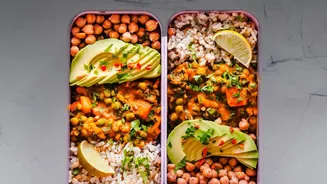
you label each container with the date it was cooked, you eliminate all doubt. You'll know at a glance whether that portion of dal makhani or chicken stir-fry is safe to eat, preventing potential foodborne illness and giving you peace of mind. According to food safety experts, leftovers should be refrigerated within two hours of cooking and stored in airtight containers to keep them fresh and safe.
Maximise Flavour and Freshness
Beyond safety, there’s the simple matter of taste. While a meal might be safe to eat on day five, it rarely tastes as good as it did on day two. Ingredients can become dry, sauces can separate, and textures can change. By dating your containers, you can prioritize eating the oldest meals first, a system professional kitchens call "first in, first out" (FIFO). This ensures you enjoy your food when it’s at its peak quality. Eating flavourful, fresh-tasting food makes your meal prep efforts feel more rewarding and helps you stick with the habit long-term.
Drastically Reduce Food Waste
An unlabelled container in the back of the fridge is often destined for the bin. Uncertainty about when something was made is a primary driver of food waste in home kitchens. When you can’t remember if the sabzi is from this week or last, you’re more likely to throw it away just to be safe. Dating your meals provides the clarity needed to confidently use what you have. This simple habit helps you see what needs to be eaten soon, allowing you to plan your days accordingly and preventing perfectly good food—and the money you spent on it—from ending up in the trash.
Create Your Perfect Labelling System
There’s no single right way to label your containers, so choose a method that works for you. The classic approach is using masking tape and a permanent marker. It’s cheap, effective, and the tape usually peels off without much fuss. For those who prefer a cleaner look, dissolvable labels are a fantastic option; they stick firmly in the fridge or freezer but wash away completely with water. Another great choice, especially for glass containers, is a wet-erase or dry-erase marker. You can write directly on the lid and simply wipe it clean before the next use. The key is consistency, so pick the tool you’re most likely to use every time.
What to Write for Maximum Impact
While the date is the most crucial piece of information, you can make your labels even more useful. At a minimum, include the date the meal was prepared. To remove all future guesswork, you can also add a "use-by" date, typically three to four days later for refrigerated items. It’s also helpful to write down the name of the dish. This prevents you from having to open multiple containers to find the meal you're looking for. For an advanced move, you can add quick reheating instructions, like “add a splash of water” or “reheat in pan,” to ensure perfect results every time.
Don't Forget the Freezer
Dating is even more critical for frozen meals. While freezing extends the life of food significantly—often for three to four months or more—it's not forever. Over time, frozen foods can suffer from freezer burn, which affects taste and texture. It's incredibly easy to forget when you froze a batch of soup or curry. A clear label with the contents and date of freezing prevents your freezer from becoming a black hole of unidentifiable frozen blocks. When you’re ready to use a frozen meal, you'll know exactly what it is and how long it’s been there, helping you rotate your stock efficiently.