





The Rise of the Monsoon Plant Parent
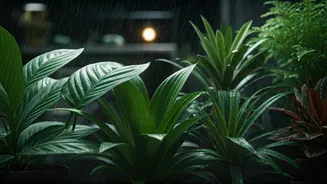
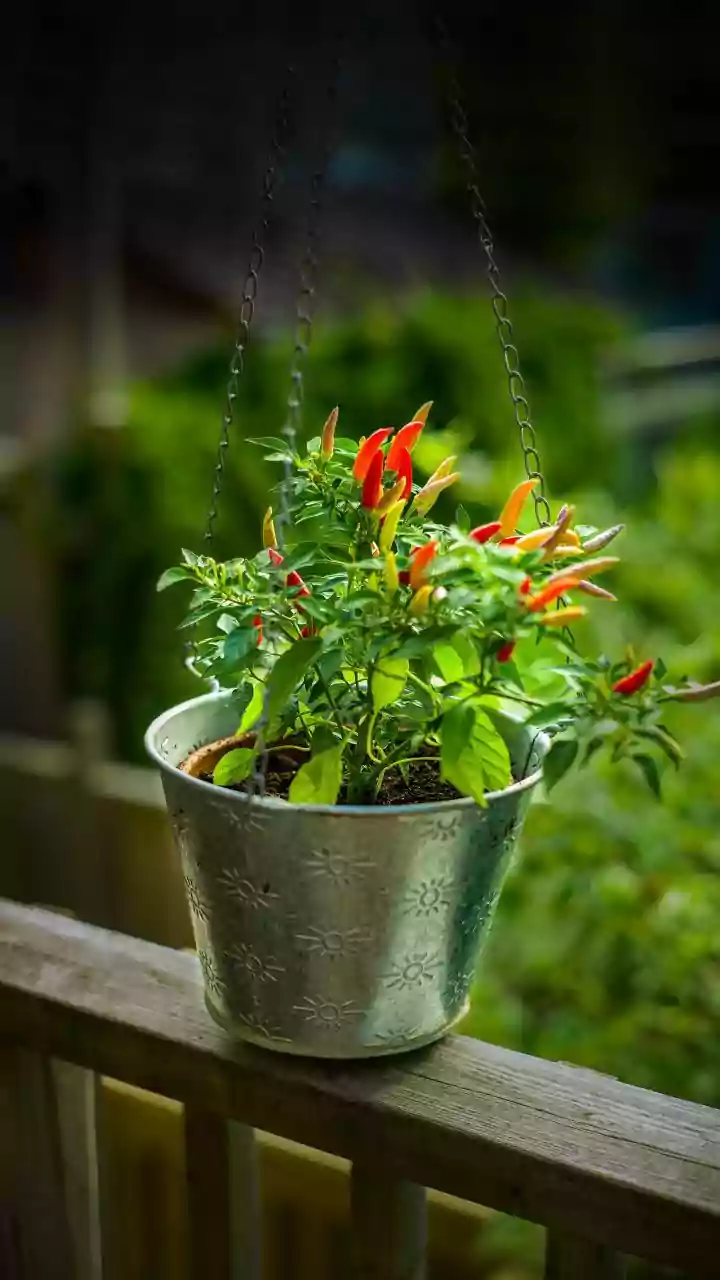
If your Instagram and Pinterest feeds are suddenly filled with lush monsteras and vibrant pothos, you're not alone. The quiet joy of nurturing plants has blossomed into a public passion, especially during the monsoon. For many urban dwellers, it's a way
to bring nature indoors when the world outside is grey and wet. This isn't just about aesthetics; it's a form of wellness, a mindful activity that brings a sense of calm and accomplishment. The monsoon, a traditional time of growth and renewal in nature, has become the official 'growing season' for indoor gardeners. They share tips, celebrate new leaves, and troubleshoot problems together online, creating a vibrant digital community of 'green thumbs'.
Watering: The Golden Rule Is Less Is More
The single biggest mistake plant parents make during the monsoon is overwatering. The air is already heavy with moisture, which means the soil in your pots dries out much slower. Constant dampness can lead to root rot, the most common plant killer this season. Before you reach for the watering can, use the finger test: stick your finger about an inch into the soil. If it feels damp, wait another day or two. If it's dry, it's time to water. For most common houseplants like snake plants, ZZ plants, and succulents, you might only need to water once every 10-15 days. Remember, it's always easier to save an underwatered plant than an overwatered one.
Let There Be Light (and Air)
Overcast skies mean less natural light for your green companions. Plants that were happy in a corner during summer might start looking sad and leggy. Try to move your plants closer to windows that receive bright, indirect light. South and west-facing windows are often best. Wipe down the leaves with a damp cloth occasionally; dust that settles on leaves can block whatever precious light is available. Equally important is air circulation. High humidity and stagnant air are a recipe for fungal diseases. If possible, open your windows for a few hours on drier days or use a small fan to keep the air moving around your plants.
Winning the War on Pests
Humidity is a breeding ground for pests like mealybugs, spider mites, and fungus gnats. Inspect your plants regularly, paying close attention to the undersides of leaves and the points where leaves meet the stem. If you spot any unwelcome guests, act fast. Isolate the infected plant to prevent the pests from spreading. For a simple, effective solution, mix a few drops of neem oil and a mild liquid soap with water in a spray bottle. Spray the entire plant, making sure to cover all surfaces. This organic solution disrupts the life cycle of most common pests without harming your plant.
To Repot or Not to Repot?
Contrary to what you might think, the monsoon is actually the best time to repot your plants. The high humidity in the air helps reduce transplant shock, allowing the roots to settle into their new home more easily. If you see roots growing out of the drainage holes or your plant's growth seems stunted, it's a sign it needs more space. Choose a pot that is just one or two inches wider in diameter than the current one. Use a fresh, well-draining potting mix. You can improve drainage by adding perlite or sand to your regular soil mix. This is a crucial step to prevent waterlogging during the rainy season.