



The Gap Between Online and Reality
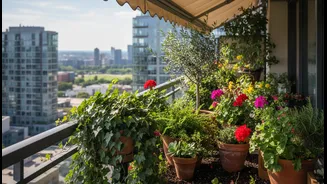
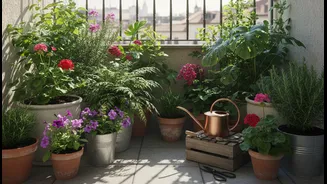
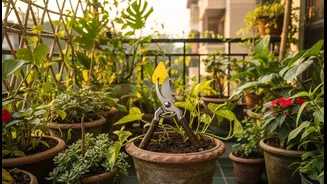
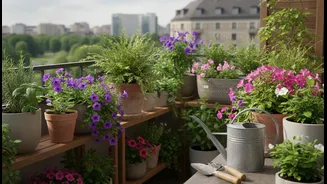
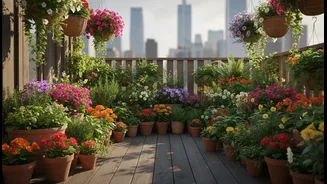
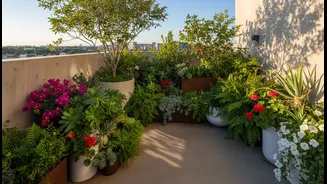
The trend of showcasing flawless, manicured gardens online has set some unrealistic expectations. Many viral trends focus on aesthetics over practicality, leading to frustration when real-world conditions like pests and tricky lighting come into play.
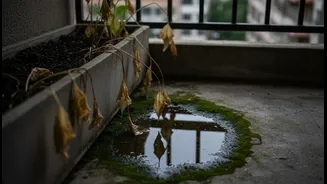
The good news is that a counter-trend is emerging: gardeners are getting honest about their struggles, from wilting leaves to uninvited pests. This shift to "reality mode" is about acknowledging that a few weeds or imperfect plants are part of the journey, and that a functional, lived-in space is more rewarding than a sterile, picture-perfect one.
Choosing Plants for Your Microclimate
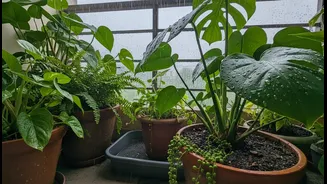
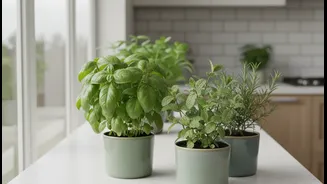
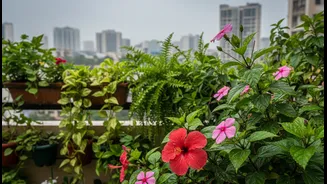
One of the biggest mistakes new balcony gardeners make is choosing the wrong plants for their specific environment. Your balcony is a unique microclimate, with its own rules regarding sun, shade, wind, and heat. Before buying, observe how much direct sun your space gets. A south-facing balcony that receives six or more hours of sun will need sun-loving, drought-tolerant plants like geraniums, petunias, or herbs such as rosemary and thyme. A north-facing or shaded balcony is better suited for plants like ferns, hostas, and begonias that thrive with less direct light. Wind is another major factor; high-floor balconies can dry out soil quickly and damage delicate plants. Choosing sturdy plants or using windbreaks can make a huge difference.
Winning the Watering War
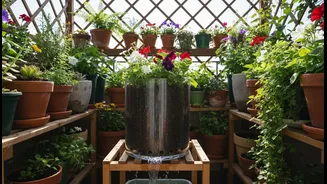
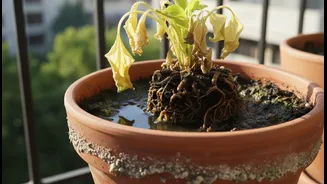
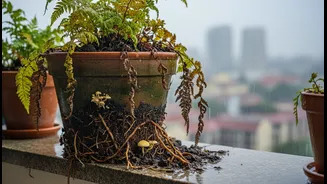
Inconsistent watering is a top plant-killer in container gardens. Unlike gardens in the ground, pots dry out very quickly, especially on hot or windy days. Small pots are particularly notorious for this. Overwatering is just as dangerous, leading to root rot if your pots don't have adequate drainage holes. The best method is the simple finger test: stick your finger about an inch into the soil. If it feels dry, it's time to water. For those with no outdoor tap, solutions range from simple watering cans to self-watering planters with built-in reservoirs or even small-scale drip irrigation kits that can run from a bucket.
Dealing with Pests and Problems
A small, contained space like a balcony can unfortunately be a perfect breeding ground for pests like aphids, spider mites, and fungus gnats. The key is to catch them early. Make it a habit to inspect your plants regularly, including the undersides of leaves. Many issues can be managed without harsh chemicals. A simple spray of water can dislodge aphids, while insecticidal soap is effective against many soft-bodied insects. Companion planting, like placing basil near tomatoes or marigolds among your vegetables, can also help naturally repel certain pests. Prevention is your best defense, so always inspect new plants before adding them to your garden and use fresh, sterile potting mix.
The Right Pot and Soil Matter
It's tempting to use soil from your garden, but it's too dense for containers and can suffocate roots. Always use a quality potting mix designed for containers, which is lighter and provides better drainage. The right pot size is equally critical. Choosing a pot based on a plant's current size instead of its mature size is a common error. A small pot restricts root growth, holds less water, and means you'll have to water constantly. As a rule of thumb, repot into a container that's at least two inches wider and deeper. And never forget the most crucial feature: drainage holes. Without them, water will pool at the bottom, leading to root rot.