





The Allure of the Instant Scented Garden
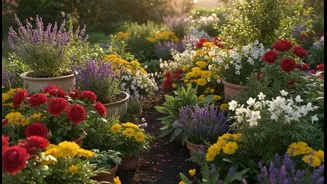
That first warm spring day can send even the most seasoned gardener into a buying frenzy. Nurseries are filled with plants at their absolute peak, their scents of jasmine, rose, and lilac mingling in the air. It’s easy to fill your cart, dreaming of a garden that
smells as glorious as the store. The problem with this approach is that you're buying a single moment in time. Most of these plants are likely spring bloomers, all performing at once. This leads to a garden that has a spectacular, but brief, fragrant explosion for a few weeks, followed by a long silence for the rest of the year. This approach can also lead to a confusing clash of smells rather than a harmonious experience.
The Art of Scent Layering
A truly memorable fragrant garden isn't about a one-time blast of perfume; it's about creating a continuous, evolving experience. This is often called 'scent-scaping' or 'scent stacking'. The idea is to choose plants with staggered bloom times, ensuring there's always something fragrant to enjoy, from the first hints of spring to the cool days of autumn and even winter. Think of it like composing music, with different notes appearing throughout the seasons. This method not only provides a longer-lasting sensory experience but also allows each plant's unique fragrance to be appreciated without being overpowered by others.
A Fragrance Calendar: Spring and Summer
Instead of buying everything at once, plan your purchases with a calendar in mind. For spring, choose one or two primary scents you love. Perhaps it’s the classic romance of lilac or the sweet perfume of Daphne. In India, the heady scent of various Jasmines like Mogra or Chameli marks the arrival of warmer weather. As spring fades, plan for summer's aromatic stars to take the stage. This is the season for Gardenias, the intoxicating night-blooming Raat ki Rani (Cestrum nocturnum), and the rich fragrance of Tuberose (Rajnigandha). Many roses also offer their best scent during the summer months. By selecting a couple of key players for each season, you build a collection that performs in sequence.
Overlooked Scents: Autumn and Winter
Fragrance doesn't have to end with summer. Many gardeners miss the opportunity to add scent to the cooler months. Autumn can be filled with the honey-scented flowers of Sweet Autumn Clematis. In many parts of India, some varieties of Jasmine and Hibiscus will continue to bloom and offer fragrance well into the milder parts of the year. For gardens in cooler climates, plants like Sweet Alyssum can bloom from spring until the first frost, providing a delicate, honey-like scent. Witch Hazel is another fantastic choice, known for its spicy-sweet fragrance that can cut through the cold air of late autumn or late winter.
Strategic Placement for Maximum Joy
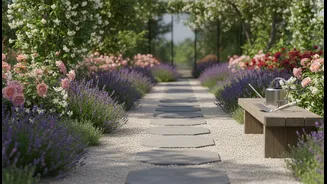
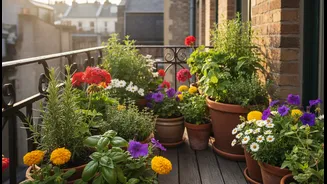
Where you plant your fragrant treasures is just as important as what you plant. Position them in places where you'll interact with them most. Plant fragrant shrubs or climbers near doorways, windows, and along pathways where you'll brush past them, releasing their scent. Seating areas like patios and benches are perfect spots for plants with evening fragrance, such as Nicotiana or night-blooming jasmine, allowing you to enjoy their perfume during quiet moments. Consider how the wind moves through your garden and use it to carry scents toward your home or outdoor living spaces. Using containers for plants like Tuberose or citrus trees also allows you to move them around for maximum impact.