



The Sadhya We Know and Love
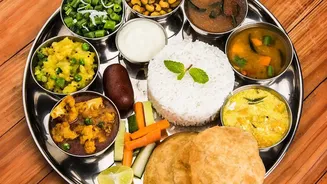
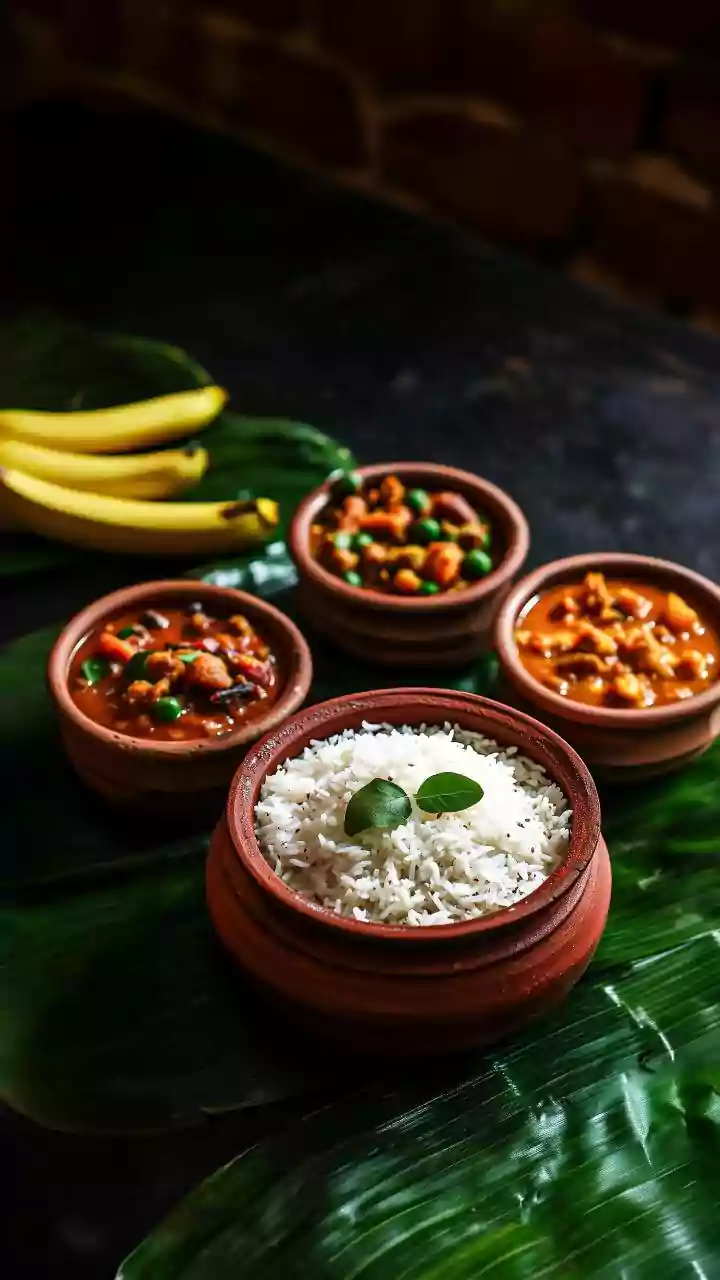
The traditional Onam Sadhya is more than just a meal; it's a ritual. Served on a banana leaf, it’s a carefully orchestrated symphony of flavours, from the initial serving of parippu curry with ghee to the grand finale of sweet payasams. Dishes like Avial
(mixed vegetables in coconut and yogurt), Thoran (stir-fried vegetables), Kaalan (a tangy yogurt-based curry), and Erissery (pumpkin and lentil stew) are non-negotiable staples that define this vegetarian feast. This classic spread, particularly revered in the central and southern parts of the state, represents the pinnacle of harvest celebration, a taste of home that connects Malayalis everywhere to their roots. Before we explore what lies beyond, it's important to honour this incredible culinary tradition that forms the heart of the Onam festival.
Venture North: The Malabar Influence
Travel to the Malabar region of North Kerala, and you'll find that Onam celebrations often embrace a wider culinary palette. While the vegetarian Sadhya remains central, it’s not uncommon for festive meals during the Onam season to feature spectacular non-vegetarian dishes. It's crucial to note these are typically served alongside the main feast or for dinner, not on the ritual banana leaf itself. Imagine complementing your meal with a fiery Thalassery Biryani, fragrant with spices, or a classic Kozhi Porichathu (spicy chicken fry). Another beloved addition is Beef Ularthiyathu, where meat is slow-roasted with coconut slivers and spices until it’s dark, fragrant, and incredibly tender. These dishes don't replace the Sadhya; they expand the celebration, reflecting a regional culture where festive eating joyfully includes meat and seafood.
A Taste of Travancore and Central Kerala
Even within the vegetarian framework, regional variations abound. In the southern Travancore region, the Parippu curry is often a runny, gravy-like dish made with moong dal, a stark contrast to the thick toor dal version found further north. The sour and savoury curries also show distinct differences. While Thrissur in central Kerala is famous for its Kurukku Kalan, a very thick and concentrated version of the yam and plantain curry, the southern style is typically thinner. Similarly, the sweet and sour Pineapple Pachadi popular in the south has a counterpart in Thrissur's Madhura Curry, which also features pineapple but often includes grapes and skips the yogurt. These subtle yet significant differences highlight how local tastes and even historical trade influences have shaped what a 'traditional' Sadhya can be.
The Christian Community’s Celebratory Spread
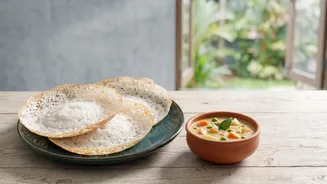
For Kerala's vibrant Christian communities, Onam is a secular festival celebrated with immense enthusiasm and, of course, fantastic food. In many Syrian Christian households, the Onam feast is a beautiful blend of traditions. Alongside classic vegetarian Sadhya dishes like Avial and Thoran, you might find iconic Nasrani (a term for Syrian Christians) delicacies making a special appearance. It's common for the lunch table to feature a rich Chicken Stew served with delicate Appams (lacy rice pancakes), a spicy Fish Molly, or the famous Karimeen Pollichathu, where pearl spot fish is marinated in spices, wrapped in a banana leaf, and grilled to perfection. These non-vegetarian dishes are an integral part of their festive culture, showcasing a culinary heritage that has always celebrated both meat and produce with equal flair.
Beyond the Usual Payasam
The sweet course of the Sadhya, the Payasam, also has room for delicious exploration. While Palada Pradhaman (made with milk and rice flakes) and Parippu Pradhaman (lentils and jaggery) are the most famous, Kerala’s dessert repertoire is far richer. This Onam, consider trying Chakka Pradhaman, a heavenly pudding made from ripe jackfruit, jaggery, and coconut milk that offers a deep, fruity sweetness. Another wonderful, though less common, option is Gothambu Payasam, made with broken wheat cooked in coconut milk and sweetened with jaggery, giving it a unique texture and earthy flavour. Exploring these alternative payasams is a simple yet rewarding way to add a new dimension to your festive meal.