





Understanding Protein Quality
When we talk about protein, it’s easy to focus only on the total number of grams. However, the true value of a protein source depends on two key factors: its amino acid profile and its digestibility. Amino acids are the building blocks of protein, and there
are nine essential amino acids that our bodies can't produce on their own, so we must get them from food. A protein is considered 'high-quality' if it contains all nine of these essential amino acids in sufficient amounts and if our body can easily digest and absorb them. Animal proteins typically score high in this regard, but a well-planned plant-based diet can be just as effective.
Meet the Protein Digestibility Scale (DIAAS)
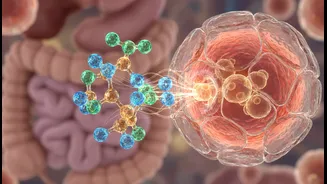
To measure protein quality, scientists use a system called the Digestible Indispensable Amino Acid Score, or DIAAS. Recommended by the Food and Agriculture Organization (FAO) of the United Nations, DIAAS is considered the gold standard. It measures the digestibility of each individual essential amino acid at the end of the small intestine, giving a highly accurate picture of how much your body can actually absorb and use. This is an improvement on the older PDCAAS system, which measured overall protein digestibility and could sometimes overestimate the quality of plant proteins. A higher DIAAS score indicates a more bioavailable protein source.
The 'Incomplete' Protein Myth
You may have heard that most plant proteins are 'incomplete'. This is a common misconception. In reality, all plant foods contain all nine essential amino acids. The distinction is that most plant sources have a lower amount of one or two specific essential amino acids, known as the 'limiting amino acid'. For example, grains like rice and wheat tend to be low in the amino acid lysine, while legumes like beans and lentils are often lower in methionine. This is where the strategy of combining foods comes into play, creating a complete and balanced amino acid profile.
Smart Combinations in Practice
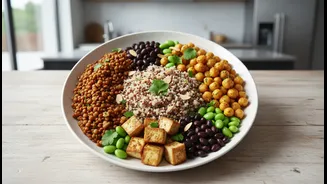
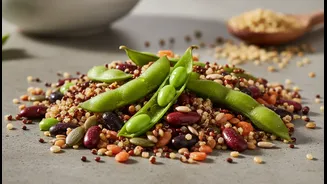
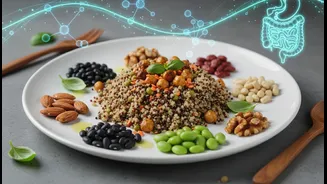
Combining plant foods is a simple and powerful way to ensure you're getting all the essential amino acids. By pairing foods with complementary amino acid profiles, you create a complete protein. This practice has been a staple in traditional diets around the world for centuries. Think of classic pairings like rice and beans, lentil curry with rice, or hummus with whole-wheat pita bread. In each case, the grain provides the methionine that the legume lacks, and the legume provides the lysine that the grain lacks. Other effective combinations include peanut butter on whole-grain toast or a quinoa salad mixed with black beans and seeds.
Variety is Key, Not Obsession
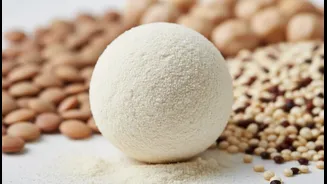
While combining proteins is a great nutritional strategy, there's no need to stress about pairing them perfectly at every single meal. Your body maintains a reserve pool of amino acids to draw from throughout the day. As long as you eat a varied diet rich in different plant-based foods—including legumes, whole grains, nuts, and seeds—you will provide your body with all the necessary building blocks it needs. Some plant foods are also complete proteins on their own, including soy products like tofu and tempeh, quinoa, buckwheat, and chia seeds, which can be easily incorporated into your meals.