




Why Your Hips Dislike Your Desk Job
Humans are built to move, but modern work often involves sitting for over 70% of our waking hours. This prolonged sitting forces your hips into a flexed position, causing a cascade of issues. The muscles at the front of your hips, known as the hip flexors,
become shortened and tight. Meanwhile, your gluteal muscles, which are crucial for hip stability, become inactive and weak. This muscular imbalance not only leads to that sensation of stiffness but can also cause lower back pain, reduce your range of motion, and create poor posture as other muscles compensate for the sleepy glutes. Over time, this can contribute to more serious issues like chronic pain and an increased risk of injury.
The Seated Figure-Four Stretch
This is arguably one of the most effective stretches you can do right from your chair. It targets the deep external rotators and glute muscles that often become tight and sore. Sit upright in your chair with both feet flat on the floor. Cross your right ankle over your left knee, creating a 'figure four' shape. Keep your right foot flexed to help protect your knee. Now, gently press down on your right knee until you feel a comfortable stretch in your right glute and outer hip. For a deeper stretch, maintain a straight back and hinge forward at your hips. Hold the position for 30 seconds, breathing deeply, before switching to the other side. Aim for two to three repetitions on each leg.
Standing Hip Flexor Stretch
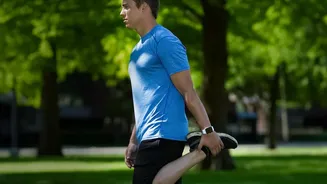
To counteract the hip-shortening effects of sitting, you need to extend them. You can do this discreetly right in your office. Stand up and take a step forward with your left foot into a split stance. Keep your feet about hip-width apart. Now, focus on your back (right) leg. Gently tuck your pelvis—imagine trying to point your belt buckle towards your chin—and squeeze the glute on that same side. This small adjustment is crucial; it ensures the stretch targets the hip flexor, not your lower back. You should feel a gentle pull across the front of your right hip. There's no need to lunge deeply; a small, well-aimed stretch is more effective. Hold for 30 seconds and repeat on the other side.
Standing Hip Circles
Movement is medicine, and reintroducing rotation is key for hip joint health. Stand with your feet shoulder-width apart and place your hands on your hips for stability. You can also hold onto your desk or a wall for balance. Lift one knee slightly off the ground. Begin to slowly trace large, controlled circles with your knee. Imagine you are drawing a circle on the wall in front of you with your kneecap. Perform 10-15 circles in one direction, then reverse the motion. This dynamic movement helps lubricate the hip joint, improves your range of motion, and activates the stabilizing muscles around the pelvis that get neglected while sitting.
The 90/90 Hip Switch
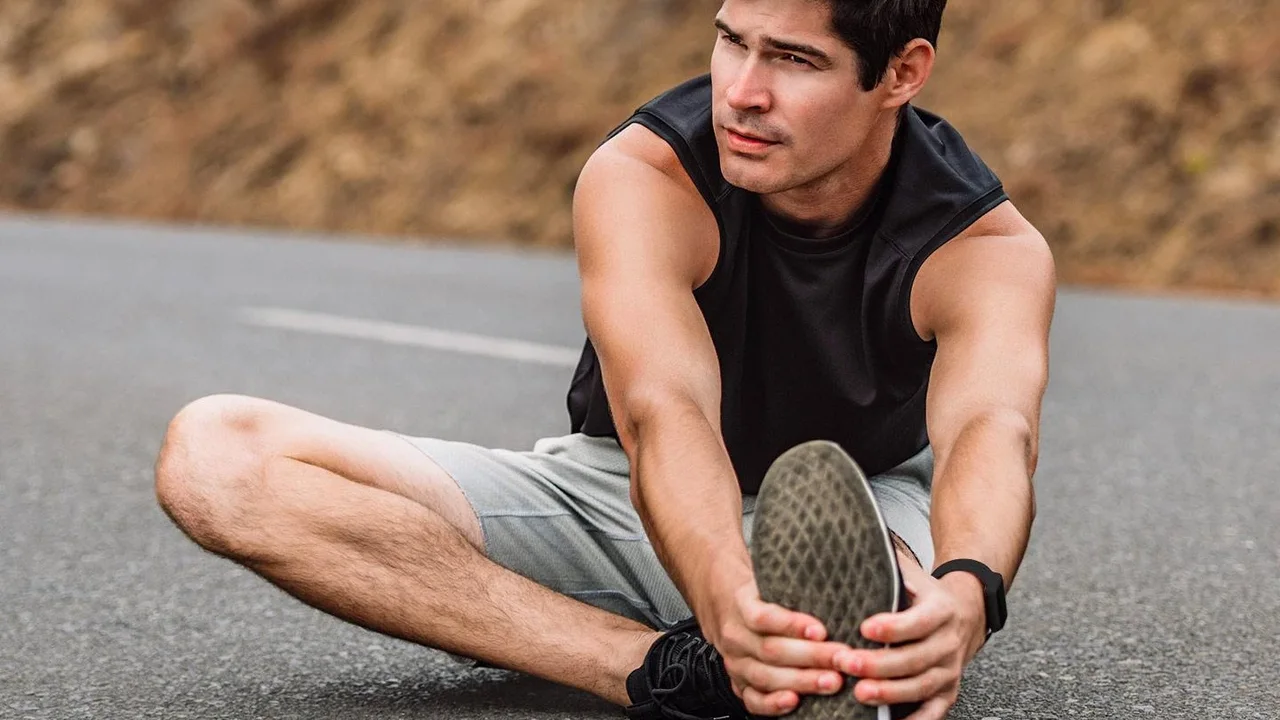
This stretch is a fantastic way to work on both internal and external hip rotation at the same time, a motion that is often severely limited in people who sit all day. Sit on the floor. Bend your right leg in front of you so your shin is parallel to your chest, and bend your left leg to the side, with both knees at a 90-degree angle. Sit up tall, then slowly hinge your chest forward over your front shin to feel a stretch in your outer hip and glute. Then, without using your hands if possible, rotate your hips and legs to the other side, so your left leg is now in front. Switching back and forth is a dynamic stretch that improves mobility in a way static holds cannot.
Building a Lasting Habit
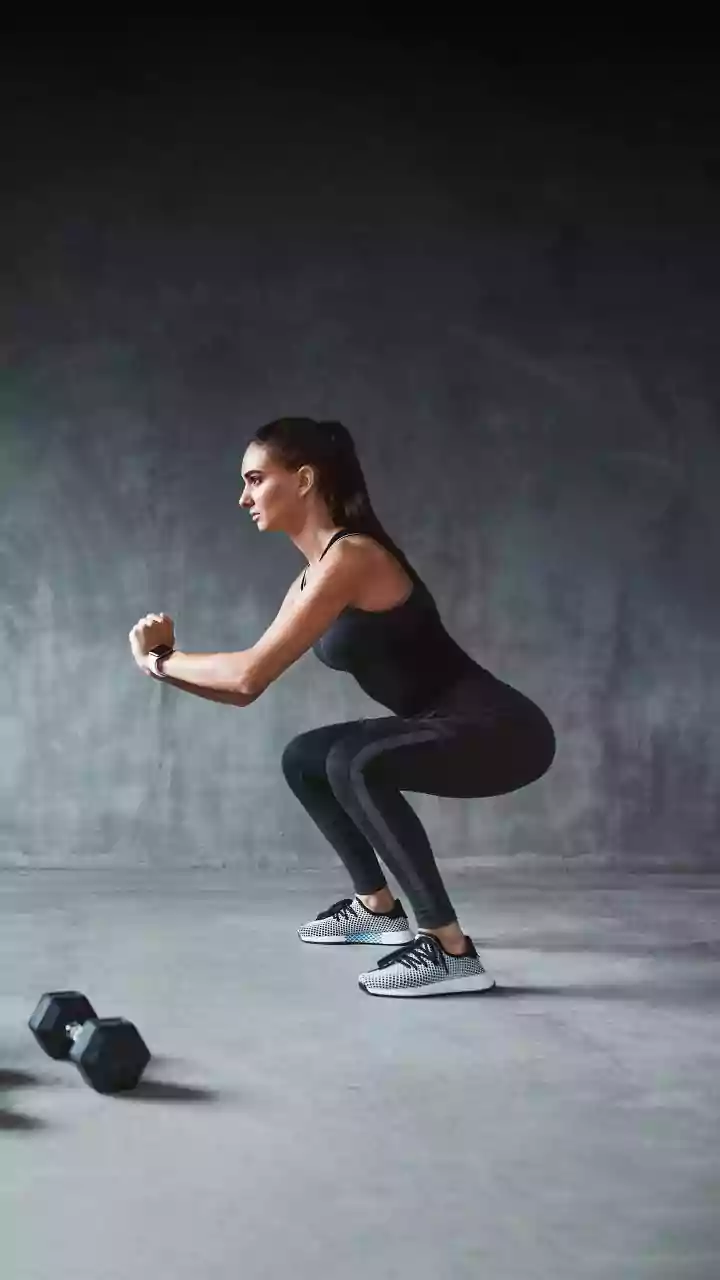
The key to combating desk-related stiffness isn't a single, intense stretching session. It's consistency. The real magic happens when you interrupt the static posture of sitting throughout the day. Set a timer to remind yourself to stand up and move for one or two minutes every hour. You don't need to do this entire routine every time; just pick one or two movements. A few hip circles while waiting for your coffee or a quick standing stretch while on a phone call can make a significant difference. Pair these mobility exercises with strengthening moves like glute bridges or squats a few times a week to address both sides of the muscle imbalance equation.