







The Impressive Headline Numbers
India's Goods and Services Tax (GST) collections continued their strong performance in July, reaching a gross figure of ₹2,11,205 crore. This represents a significant 15.4% increase compared to the ₹1.83 lakh crore collected in the same month last year.
The government data, released on August 1, showed that this was the second consecutive month with collections surpassing the ₹2 lakh crore threshold, reinforcing the narrative of sustained economic momentum and improved tax compliance. After accounting for refunds, the net GST revenue stood at ₹1.81 lakh crore, a jump of nearly 16% from July 2025, underscoring the resilience of the tax base.
A Tale of Two Growth Rates
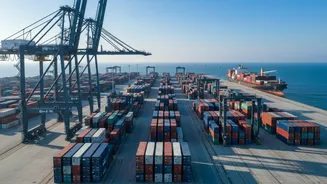
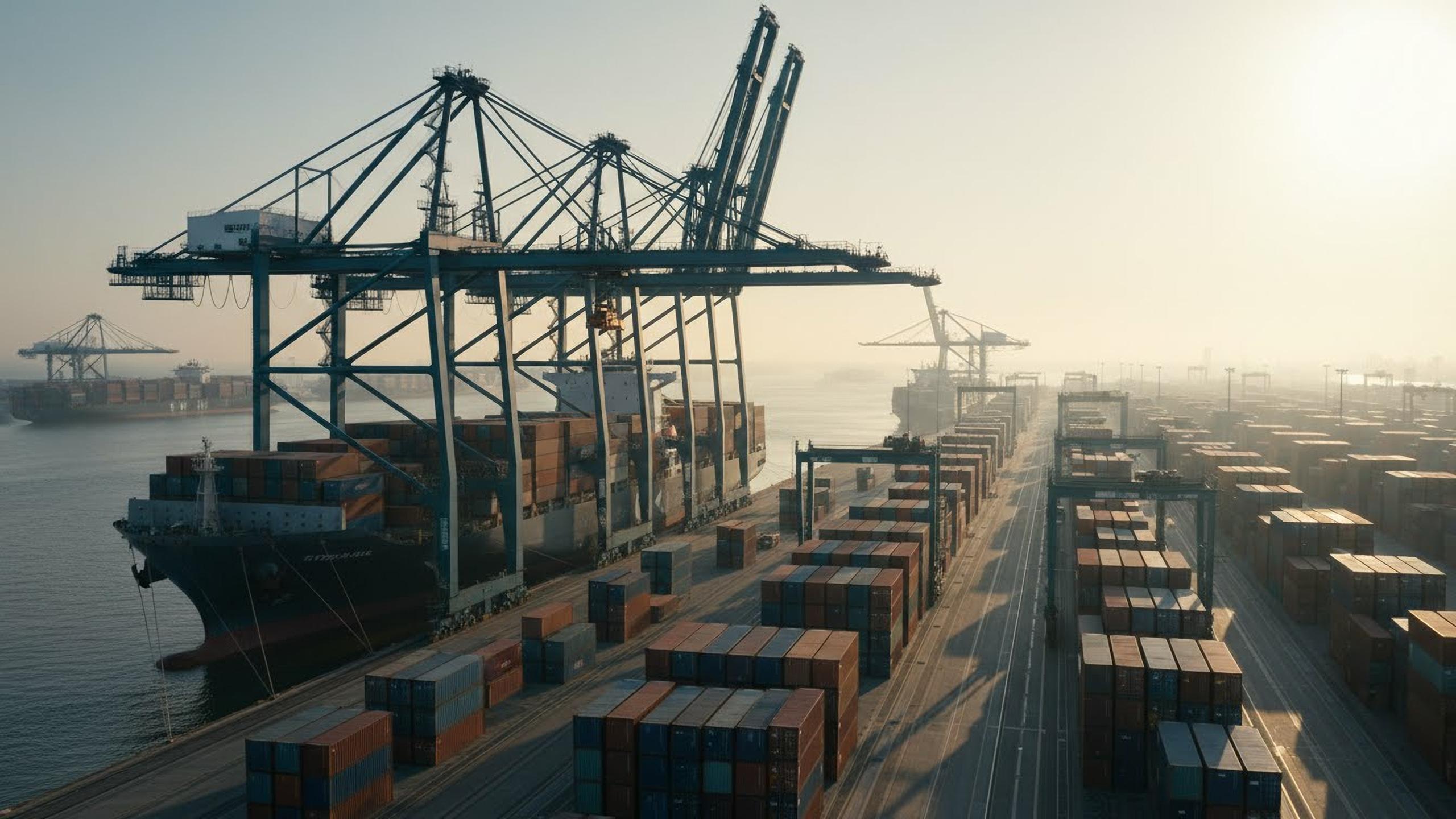
The devil, as always, is in the details. The overall growth figure is powered by two main components: GST from domestic transactions and GST levied on imports of goods. While both grew, they did so at vastly different rates. Revenue from domestic transactions saw a healthy, but more modest, increase of 10.1% year-on-year, rising to about ₹1.45 lakh crore. In stark contrast, the GST collected on imported goods surged by a massive 28.8%, reaching ₹66,511 crore. This significant gap between the growth in import GST and domestic GST is the crucial detail that the headline number obscures. Net revenue from imports, after refunds, grew even faster at 30.3%.
What's Driving the Import Surge?
Several factors could be contributing to this sharp rise in import-related taxes. One element is the value effect; a weaker rupee and rising global commodity prices can inflate the value of imports, leading to higher tax collections even if the volume of goods doesn't change dramatically. Experts suggest the surge could reflect strong demand for specific items, such as raw materials and capital goods for infrastructure projects, which can be a positive sign of investment. However, it also raises questions about whether this indicates robust consumer demand for finished foreign products, potentially at the expense of locally made goods.
A Sign of Strength or Weakness?
Economists are divided on how to interpret this trend. On one hand, the strong overall collection is seen as a vote of confidence in India's economic resilience. Robust demand, whether for domestic or imported goods, fuels economic activity. However, some analysts express concern about the widening gap between import and domestic growth. They argue that the elevated reliance on imports points to a persistent gap in domestic manufacturing capabilities, despite government initiatives like the Production-Linked Incentive (PLI) schemes. This trend could highlight a need to further strengthen local supply chains to meet the country's growing appetite for goods.