



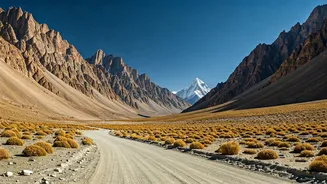


A World Beyond the Monsoon Clouds
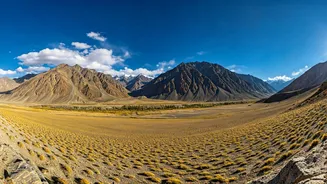
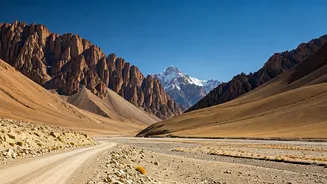
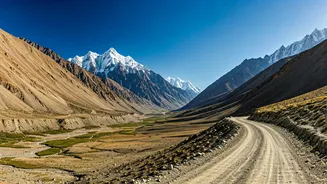
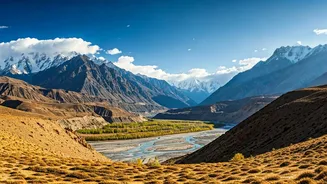
Spiti Valley's magic lies in its geography. Tucked away in the trans-Himalayan region of Himachal Pradesh, it sits in a rain shadow. The towering Himalayan ranges to the south block most of the moisture-laden monsoon clouds, resulting in a starkly beautiful,
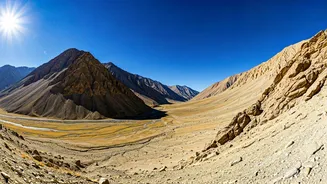
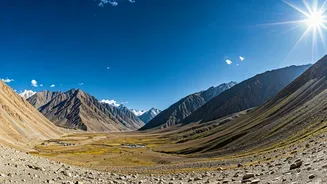
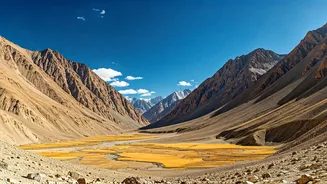
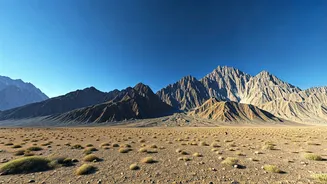
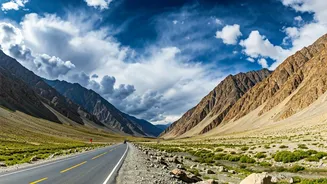
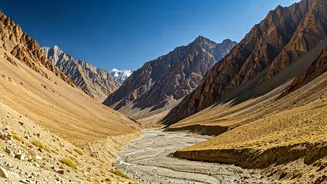
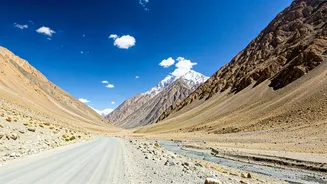
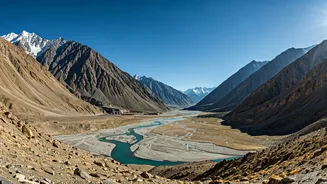
high-altitude desert that remains overwhelmingly dry from June to September. While other hill stations contend with downpours and landslides, Spiti offers clear blue skies and brilliant sunshine. The landscape is a breathtaking panorama of barren mountains in shades of brown, purple, and grey, sliced through by the turquoise Spiti River. It is this very dryness that makes it a surreal and ideal destination when much of the country is drenched.
Journey Through Time in Ancient Monasteries
A trip to Spiti is also a journey into the heart of Tibetan Buddhism. The valley is dotted with some of the oldest and most spectacular monasteries in the world. The Key Monastery, perched dramatically on a hilltop overlooking the Spiti River, is the valley's largest and most iconic gompa. Another must-visit is the Tabo Monastery, a UNESCO World Heritage site often called the 'Ajanta of the Himalayas' for its stunning collection of murals and scriptures that date back over a thousand years. These monasteries are not just historical relics; they are living centres of learning and spirituality. Visiting during the quieter monsoon season allows for a more peaceful and immersive experience.
High-Altitude Adventures and Unique Experiences
Spiti offers more than just stunning views; it's a playground for the adventurous. You can send a postcard to loved ones from the world's highest post office in Hikkim, a village situated at over 14,000 feet. Nearby, the village of Langza is famous for its large Buddha statue overlooking the valley and the abundance of prehistoric marine fossils, reminders that this desert was once under the Tethys Sea. For those seeking a thrill, driving over the high-altitude Kunzum Pass (4,551 metres) offers jaw-dropping vistas. The region also has incredible trekking routes and the chance to camp beside the magnificent Chandratal Lake, also known as the 'Moon Lake.'
The Journey Is Half the Adventure
Getting to Spiti is an epic road trip in itself. There are two main routes: one via Shimla and Kinnaur, and the other via Manali. The Shimla route is longer but more gradual in ascent, making it better for acclimatization. It remains open for most of the year. The Manali route is shorter and more dramatic, crossing the high passes of Rohtang and Kunzum, and is typically open only from June to October. While the approach roads can sometimes face delays from monsoon-related issues in the lower hills, the valley itself remains largely unaffected. Many travellers choose to do a full circuit, entering via one route and exiting through the other. Whichever you choose, a sturdy vehicle and an adventurous spirit are essential.
Essential Tips for Your Spiti Sojourn
Planning is key for a successful Spiti trip. The best time to visit for a dry experience is from late May to early October. Acclimatization to the high altitude is crucial to avoid Acute Mountain Sickness (AMS). Experts recommend ascending slowly, preferably taking the Shimla route, staying hydrated, eating light meals, and avoiding strenuous activity for the first couple of days. Accommodation ranges from hotels and guesthouses in the main town of Kaza to authentic homestays in smaller villages, which offer a wonderful cultural immersion. While Indian nationals do not require a permit for most of Spiti, carrying a valid government ID is mandatory for registrations at various checkpoints. Pack layers of warm clothing, as temperatures can drop significantly, even in summer.