



Udaipur, Rajasthan: The City of Lakes
While many associate Rajasthan with scorching deserts, the monsoon paints a completely different picture. Udaipur, the ‘City of Lakes,’ becomes exceptionally enchanting as rains fill up its famous water bodies like Lake Pichola and Fateh Sagar Lake. The
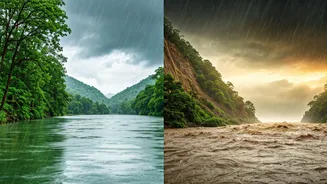
climate becomes pleasant, with temperatures dropping significantly, making sightseeing a joy. The rain-washed palaces, including the majestic City Palace and the floating Jag Mandir, seem even more magical. A key advantage is that Rajasthan receives moderate rainfall compared to other regions, minimising the risk of floods. This also means fewer tourists, allowing you to explore its historic forts and bustling markets without the usual crowds. It’s a chance to see a greener, more serene side of the royal state.
Kodaikanal, Tamil Nadu: Princess of Hill Stations
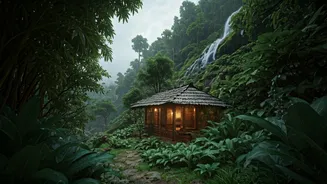
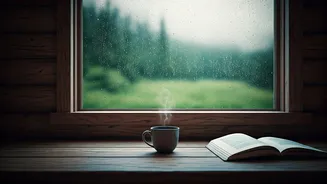
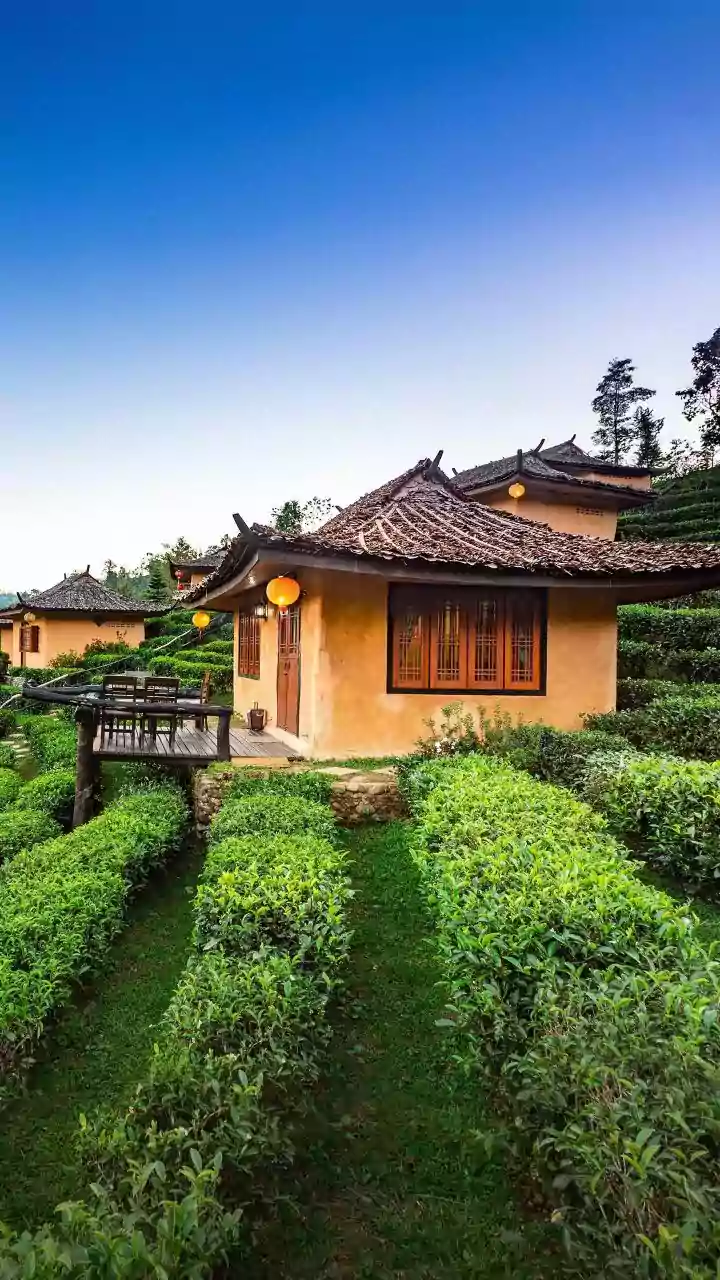
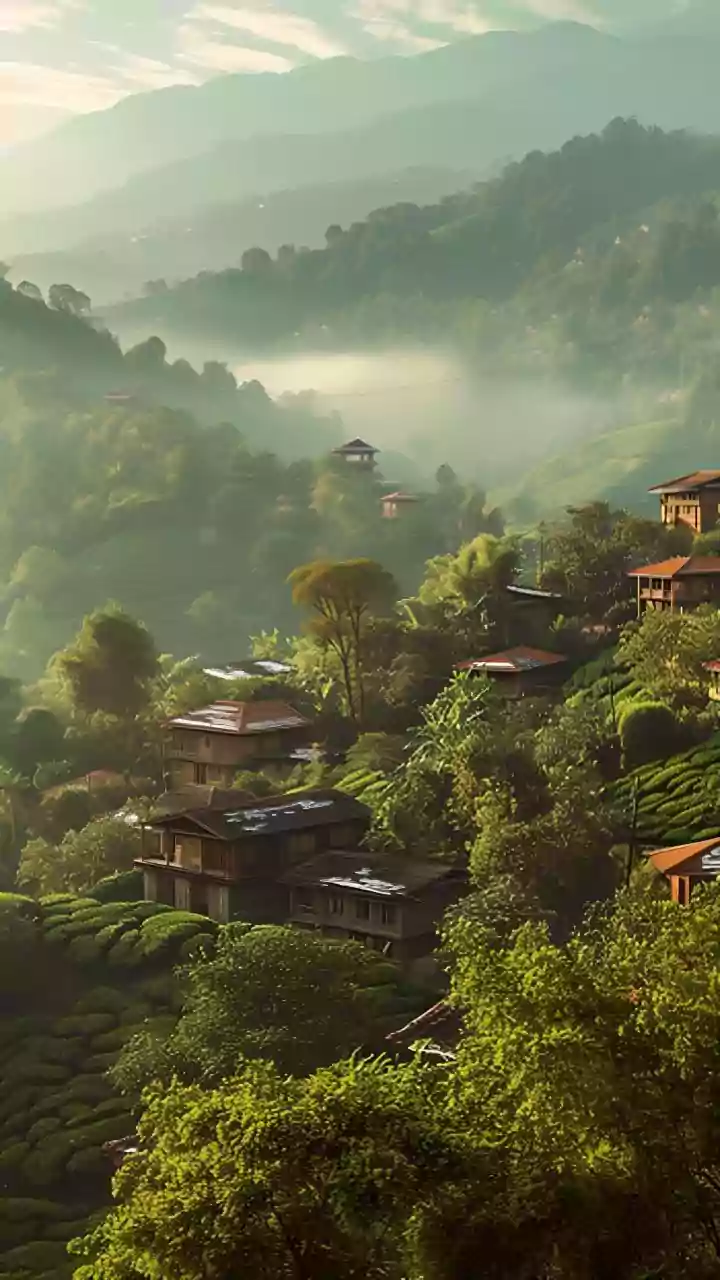
Nestled in the upper Palani Hills of the Western Ghats, Kodaikanal is a popular getaway that truly shines during the monsoon. The region receives moderate rainfall, which rejuvenates its forests, fills its waterfalls, and creates a misty, romantic atmosphere. While heavy rain can make roads slippery, driving during the day is generally considered safe, and major tourist spots remain open. The rain makes it a perfect time to walk through the lush forests, enjoy a quiet boat ride on the lake, or simply relax with a book while watching the rain. Since it's the off-season, you can often find great deals on luxury stays. It's a low-risk option for those seeking a peaceful hill station experience without the extreme weather events of other mountainous regions.
Orchha, Madhya Pradesh: The Hidden Gem
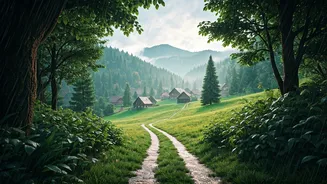
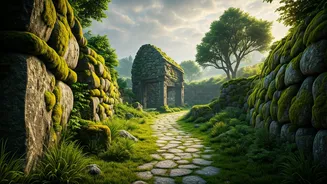
For a journey back in time, the historical town of Orchha in Madhya Pradesh is an excellent and safe monsoon choice. Situated on the banks of the Betwa River, this otherwise dry region turns into a lush green paradise during the rains. The ancient forts, palaces, and cenotaphs (chhatris) look divine when washed clean by the monsoon showers. Orchha receives moderate rainfall, making it ideal for exploration without the constant threat of travel disruptions. You can explore the stunning Orchha Fort Complex, Raja Ram Temple, and enjoy the swollen Betwa River, which sometimes offers activities like rafting. It’s a perfect destination for history buffs and photographers looking to capture a unique blend of architectural grandeur and natural beauty.
Valley of Flowers, Uttarakhand: A Himalayan Wonder
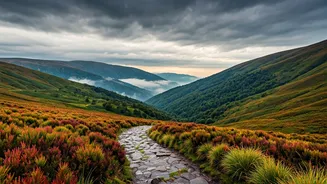
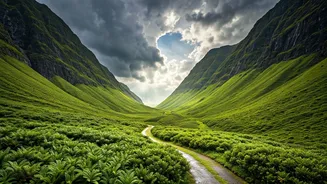
This might seem surprising, but the Valley of Flowers National Park is a destination that comes alive *because* of the monsoon. The trek is only open from June to October precisely because the monsoon rains trigger the blooming of over 300 species of alpine flowers. While trekking in the Himalayas during monsoon requires caution, this specific trail is well-managed and popular. The route is well-marked, and the presence of forest staff and fellow pilgrims heading to Hemkund Sahib adds a layer of safety. The key risks are slippery trails and the potential for landslides on access roads, so it's crucial to be well-prepared with proper gear, hire a local guide, and stay updated on weather conditions. For the well-prepared adventurer, the reward is a breathtaking, vibrant landscape found nowhere else.
General Monsoon Travel Tips
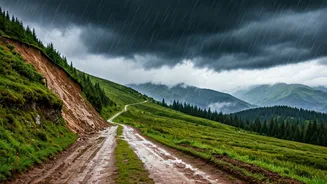
No matter where you go, smart preparation is key for a safe monsoon trip. Always pack waterproof jackets, quick-drying clothes, and sturdy footwear with a good grip. It's wise to add buffer days to your itinerary to account for potential travel delays. Be vigilant about food and water safety to avoid water-borne illnesses; stick to bottled water and well-cooked meals. Before you leave, check the local weather forecasts and any travel advisories for your destination. When driving in hilly areas, be cautious of slippery roads and reduced visibility due to fog, and avoid driving at night during heavy rain. Finally, always carry a basic first-aid kit and any personal medications you might need.