



Mastering Monsoon Drainage
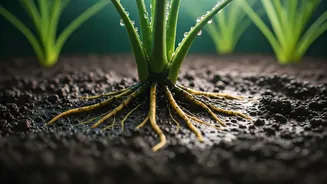
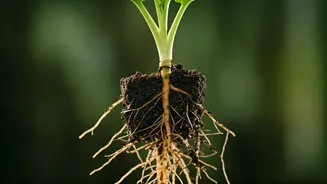
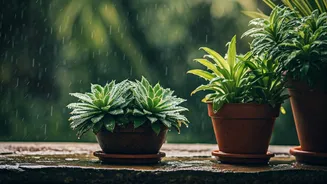
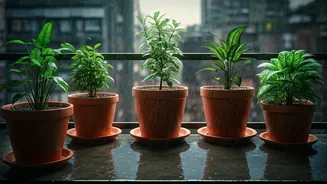
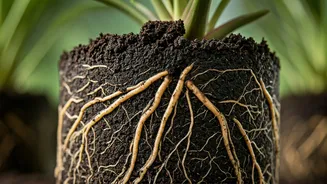
The single most important factor for plant health during the rainy season is drainage. When pots become waterlogged, it suffocates the roots, cutting off their oxygen supply and leading to deadly root rot. To prevent this, ensure every pot has unobstructed
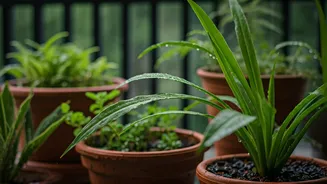
drainage holes. It’s a good practice to elevate pots on bricks or stands to allow excess water to escape freely and prevent them from sitting in puddles. For garden beds, creating raised beds or digging small trenches can channel away excess water. The soil itself is crucial; avoid heavy, clay-like soils that retain too much water. Instead, use a porous, well-draining potting mix. You can improve your existing soil by adding components like coarse sand, compost, or cocopeat, which create a lighter structure for water to pass through.
The Discipline of Watering
It seems counterintuitive, but you must be disciplined about watering during the monsoon. The daily rains often provide more than enough moisture, and overwatering is a common mistake that gardeners make. Never water your plants on a fixed schedule. Instead, adopt a disciplined habit: before watering, always check the soil. Stick your finger about an inch deep; if the soil feels moist, hold off. Water only when the top layer of soil is dry to the touch. This simple discipline prevents the soil from becoming saturated, which is the primary cause of root decay and fungal growth in the humid monsoon weather. For succulents and cacti, this is even more critical, and you may need to move them to a covered area to protect them from excessive rain.
Pruning and Pest Patrol
The monsoon stimulates rapid growth, but this lushness can create problems if not managed. Disciplined pruning is essential to maintain plant health. Trim away overgrown branches, dense foliage, and any dead or yellowing leaves. This practice isn't just for aesthetics; it improves air circulation around the plant, which helps the leaves dry faster and significantly reduces the risk of fungal diseases like powdery mildew that thrive in damp, stagnant conditions. The humid weather also creates a perfect breeding ground for pests like snails, slugs, and aphids. Make it a routine to inspect your plants regularly, including the undersides of leaves. Organic solutions like neem oil spray can be used as a preventive measure to keep these unwanted visitors at bay.
Nutrient Management and Support
While the rains bring water, they can also wash away essential nutrients from the soil, a process known as leaching. This can leave your plants undernourished despite the appearance of lush growth. To counteract this, a disciplined approach to fertilizing is needed. It's best to use organic options like compost or vermicompost, as chemical fertilizers can be quickly washed away or even burn the roots in waterlogged soil. Apply fertilizer during dry spells between rains to ensure it gets absorbed. Additionally, heavy rains and strong winds can physically damage plants. Provide support to tall or vining plants by using stakes or trellises to prevent their stems from snapping. This combination of feeding and support ensures your plants have the strength to withstand the monsoon's intensity.