




An Ancient Tradition Reimagined
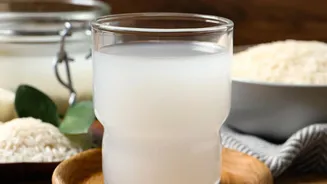
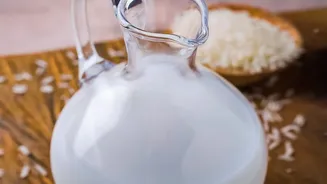
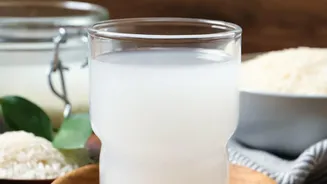
Fermented rice water is, quite simply, the liquid left over after rice has been cooked or soaked and then allowed to ferment for a period, typically overnight or for up to 48 hours. This practice is not a new wellness fad but a deeply rooted tradition
in many parts of Asia, particularly in India, where it is known by names like Kanji, Neeragaram, or Pazhaya Sadam. For generations, this humble drink has been consumed for its cooling properties and to support digestive health. The fermentation process transforms the starchy water into a nutrient-dense liquid, creating a beverage that is both economical and beneficial.
The Science of Gut Support
The magic of fermented rice water lies in the fermentation process itself. This process encourages the growth of beneficial bacteria, such as Lactobacillus, making the water a natural source of probiotics. These live microorganisms are crucial for maintaining a healthy gut microbiome, the community of bacteria in your digestive system. A balanced microbiome aids in better digestion, reduces bloating, and improves nutrient absorption. Furthermore, fermentation produces postbiotics—beneficial compounds like organic acids and enzymes—that help strengthen the gut lining and reduce inflammation. Some studies have even shown that the fermentation process can dramatically increase the bioavailability of minerals like iron and calcium.
Your Simple At-Home Recipe
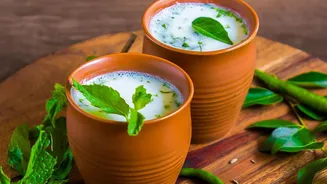
Making your own fermented rice water is remarkably simple and requires only two ingredients: rice and water. Start with about half a cup of any variety of rice and rinse it once to remove impurities. Place the rice in a clean jar (traditionally a clay pot is used for its cooling properties) and add about two to three cups of water. Cover the jar and let it sit at room temperature for 12 to 24 hours. The exact time will depend on the climate; it may ferment faster in warmer weather. You will know it is ready when it has a slightly sour, tangy aroma. Once fermented, you can strain the water and store it in the refrigerator for a few days.
How to Incorporate It Into Your Routine
It is best to start with a small amount, such as half a cup, to see how your body responds. Many proponents suggest drinking it first thing in the morning on an empty stomach to maximize its probiotic benefits. The taste is tangy and slightly sour, which might take some getting used to. You can dilute it with more water if the flavour is too strong. In many Indian households, it is mixed with a little salt, curd (yogurt), and sometimes garnished with chopped onions or green chilies to create a savoury, cooling porridge.
Important Risks and Considerations
While fermented rice water is generally safe, it is crucial to prepare it hygienically to avoid contamination with harmful bacteria. Always use clean utensils and a clean jar. If the water develops a foul smell or shows signs of mould, it should be discarded immediately. Because the fermentation process is uncontrolled at home, the concentration of probiotics and the level of acidity can vary. Over-fermentation can also lead to the production of a small amount of alcohol. People with existing digestive issues, compromised immune systems, or histamine intolerance should consult a healthcare professional before trying it. Additionally, it's not a replacement for a balanced diet or medical treatment for gut conditions.