








The Rise of the Ghost Kitchen
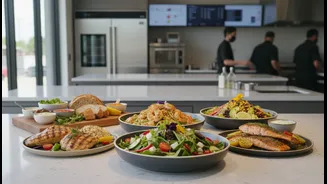
You may have heard them called ghost kitchens, virtual kitchens, or dark kitchens, but the concept is the same: a cloud kitchen is a professional food preparation facility set up exclusively for delivery-only meals. There is no storefront, no dining room,
and no waitstaff. By eliminating the need for a physical dining space, operators can slash overhead costs related to rent in prime locations, front-of-house staff, and interior decor. This lean model allows entrepreneurs to launch a food business with significantly lower investment compared to a traditional restaurant. The business focuses purely on the food and getting it to the customer efficiently through delivery aggregators or direct-to-consumer channels. This structure has enabled a massive expansion in India's online food delivery market, which is projected to grow significantly in the coming years.
A Growing Appetite for Wellness
Parallel to the boom in food delivery, there has been a profound shift in consumer mindset. Health and wellness are no longer niche concerns but have become mainstream priorities for a large segment of the Indian population. Reports indicate that the market for healthy food in India is forecasted to be worth billions, with a sharp increase in the number of health-conscious consumers. This trend, accelerated by the pandemic, has led to a surge in demand for nutritious, clean, and transparently sourced food. Consumers are actively seeking out meals that cater to specific dietary needs, such as high-protein, plant-based, gluten-free, or low-calorie options, and are often willing to pay more for them.
The Perfect Recipe for Success
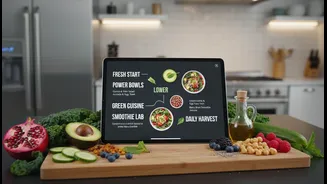
This is where the cloud kitchen model reveals its true advantage. Its inherent flexibility and low-risk nature make it the perfect vehicle for catering to the health-food trend. While a traditional restaurant might hesitate to overhaul its menu for a niche diet, a cloud kitchen can launch an entirely new virtual brand focused on, for example, keto or vegan meals from the same kitchen space. This multi-brand approach allows operators to experiment with different healthy concepts without the financial burden of opening a new physical location. They can test new menus, respond quickly to emerging dietary trends, and use data from online orders to understand exactly what health-conscious customers are looking for. This agility is a powerful competitive edge in a fast-moving market.
Beyond the Standard Salad
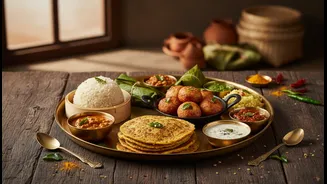
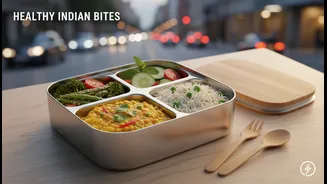
The opportunity extends far beyond simple salads and bowls. The new wave of healthy eating is highly personalized. Cloud kitchens are uniquely able to serve these specific needs by creating dedicated menus for high-protein meals for fitness enthusiasts, balanced meal plans for busy professionals, or sattvic meals based on Ayurvedic principles. Many successful healthy cloud kitchens prioritize fresh, locally-sourced, or organic ingredients and use eco-friendly packaging, which appeals to a consumer base that values sustainability and transparency. By offering customizable meal plans and subscriptions, they build customer loyalty and create reliable, recurring revenue streams—a significant advantage in the competitive food delivery space.
Challenges and the Road Ahead
Despite the clear opportunity, the path is not without its challenges. Building a trusted brand without a physical presence requires savvy digital marketing and a strong focus on customer reviews. The competition in both the cloud kitchen and health food segments is intense, and maintaining food quality and freshness during delivery is a constant operational hurdle. However, the underlying trends are undeniable. As the online food delivery market continues to mature and expand into Tier-2 and Tier-3 cities, the demand for convenient, healthy food is only set to grow. Cloud kitchens that successfully marry operational efficiency with a genuine commitment to nutrition are not just following a trend; they are building a resilient business model for the future.