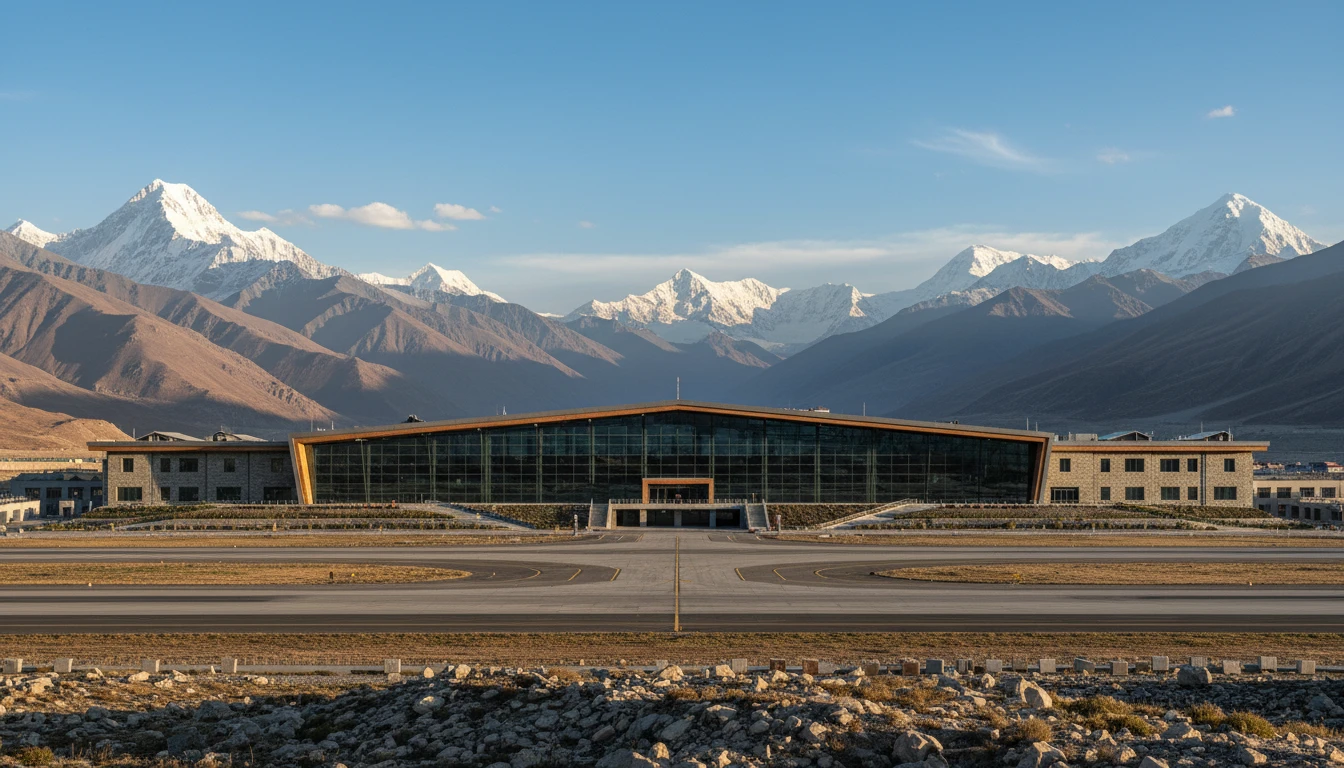









A New Gateway in the Mountains
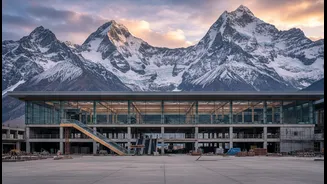
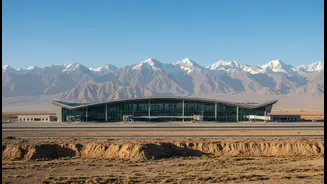
Leh’s Kushok Bakula Rimpochee Airport, one of the highest commercial airfields in the world, is on the cusp of a major transformation. A new integrated terminal building is now 83% complete, according to the Civil Aviation Minister. This state-of-the-art
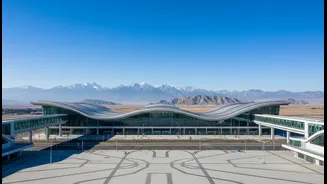
facility is designed to triple the airport's capacity, handling up to 54 flights a day and 3.5 million passengers annually. The current terminal manages around 18 flights daily. The design of the new building aims to reflect Buddhist philosophy and local Ladakhi culture, while incorporating modern passenger amenities like aerobridges, numerous check-in counters, and advanced baggage systems to streamline travel at a demanding altitude of over 10,600 feet.
More Than Just Tourism
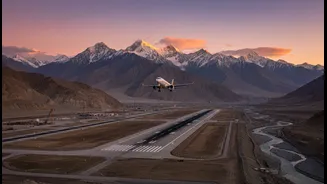
While boosting tourism is a key driver, the expansion serves a critical dual purpose. The Leh airfield is a vital strategic asset for the Indian Air Force, acting as a lifeline for military logistics and troop movements in the sensitive border region. Especially during the harsh winter months when road access is cut off, the airport is the only reliable link for sustaining forward positions. The recent addition of a parallel taxi track, which can function as an alternate runway, has already enhanced the airfield's operational resilience for both military and civilian flights. The new terminal will further bolster this capability, ensuring smoother and more frequent operations for national security and regional connectivity alike.
The Himalayan Airport Dilemma
The need for reliable air connectivity in the Himalayas extends far beyond Leh. The region is dotted with airports that are engineering marvels but operationally challenging. Runways are often short, perched on plateaus, and surrounded by treacherous terrain, as seen at places like Kullu. Weather is a constant adversary; unpredictable winds, fog, and poor visibility can ground flights for days. Sikkim's Pakyong Airport is a prime example. Despite being a feat of engineering, it has struggled with frequent flight suspensions due to its vulnerability to weather, making it an unreliable option for travellers and airlines. These challenges underscore a wider problem: building an airport in the Himalayas is one thing, but keeping it consistently operational is another.
The Price of Progress
This push for development, however, comes with significant environmental questions. Ladakh’s cold desert ecosystem is incredibly fragile. Activists and ecologists have long warned that large-scale infrastructure projects, coupled with a rising tourist footprint, are putting immense pressure on the region’s limited resources, particularly water. Increased connectivity will inevitably lead to more visitors, exacerbating existing problems with waste management and carbon emissions. While the new Leh terminal is being hailed as India's first green energy airport, using a combination of geothermal and solar power for heating and cooling, the larger impact of tripling flight and passenger capacity on the delicate environment remains a serious concern for a region already witnessing rapid glacier loss and climate change effects.