


The Weather: Crisp and Clear vs. Green and Unpredictable
The single biggest difference between the two seasons is the weather. Summer, from May to June, offers pleasant, warm daytime temperatures. However, it bleeds into the monsoon season (July-August), which can bring persistent rain, humidity, and cloud
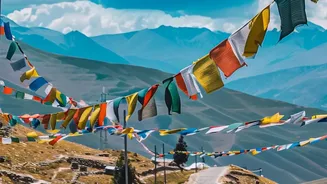
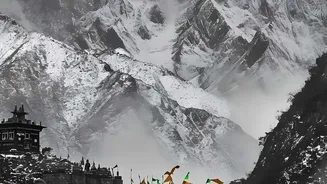
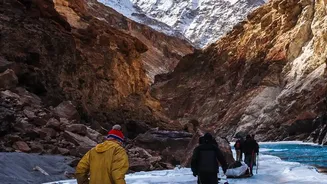
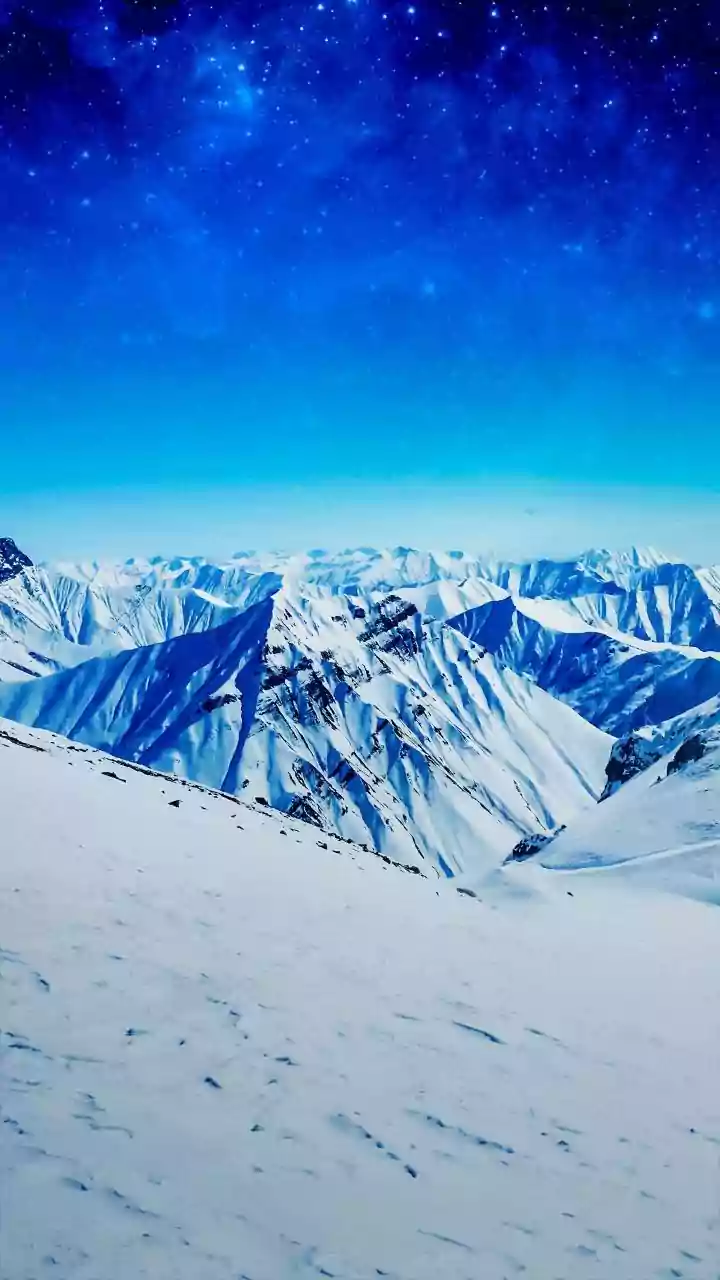
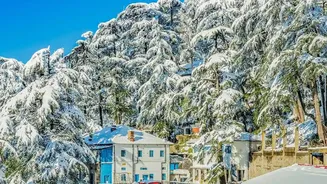
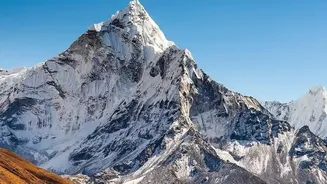
cover that obscures mountain views. Landslides are also a risk, potentially causing road closures and travel delays. In contrast, November is a post-monsoon month. The monsoon rains have washed all the dust and haze from the atmosphere, leaving behind brilliantly clear blue skies and exceptionally sharp, long-distance views of the snow-capped peaks. The trade-off is the temperature. November is colder, with daytime temperatures hovering around a comfortable 15°C in lower areas but dropping below freezing at night, especially at higher altitudes. While summer is about lushness, November is about clarity.
Crowds and Costs: Solitude vs. Sociability
Summer is peak tourist season in most accessible Himalayan regions like Himachal Pradesh and Uttarakhand. This means trails, towns, and viewpoints are bustling with fellow travellers. While this creates a sociable and vibrant atmosphere, it also leads to higher prices for flights, accommodation, and services. November, on the other hand, is a 'shoulder season'. The main tourist rush of summer and the festive autumn period of October has passed. This translates to significantly fewer people on the trails and in popular destinations like Manali, Shimla, and Darjeeling. You're more likely to find quiet moments and a more personal connection with the landscape. This drop in demand often leads to lower costs, making it a more budget-friendly time to travel.
The Landscape: Stark Beauty vs. Lush Greenery
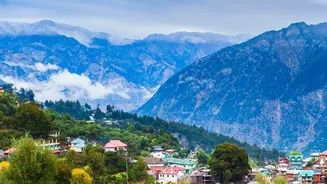
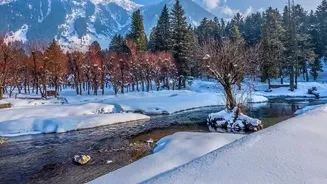
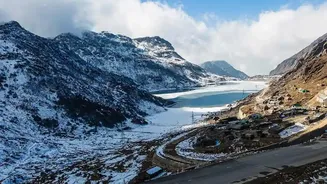
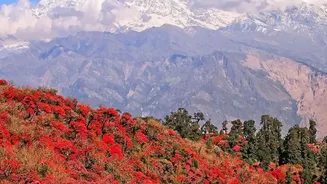
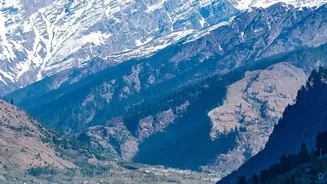
The competing seasons paint the mountains in entirely different colours. Summer and the monsoon that follows turn the hillsides into a riot of green. Valleys are verdant, wildflowers are in full bloom, and forests are dense and alive. It’s a time of vibrant, flourishing life. November presents a more stark and dramatic palette. The lush greens have faded into shades of gold, orange, and brown, creating a beautiful autumnal landscape. With less foliage and crystal-clear air, the raw, powerful structure of the mountains themselves becomes the main attraction. The peaks, often freshly dusted with the first snows of winter, stand out sharply against the deep blue sky, offering what many photographers consider the best light of the year.
Trekking and Access: What’s Open for Business
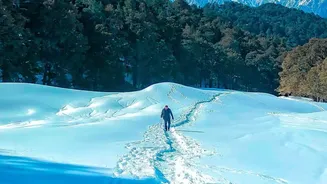
Summer opens up nearly the entire Himalayan range. High-altitude passes that are snow-bound for most of the year become accessible, allowing for classic treks and road trips, especially into rain-shadow regions like Ladakh and Spiti. However, in other areas, monsoon rains can make trails muddy and treacherous. November offers a different set of opportunities. While the highest passes may begin to close due to snow by the end of the month, many fantastic mid-altitude treks are in their prime condition. Trails are dry and firm, and the weather is stable. Treks like the Dayara Bugyal, Hampta Pass, and routes in Sikkim like the Sandakphu Phalut trek are considered ideal in November. Recently, new routes like the Rachela Peak trek in Kalimpong have also been opened specifically for the clear-sky November season.