








The Unpopular Superfoods in Your Sabzi Mandi
In the vibrant landscape of Indian cuisine, some vegetables are stars. The potato is universally loved, the tomato is essential, and onions are the foundation of a thousand curries. Then there are the others: the ones we ate as children only under duress.
At the top of that list for many are lauki (bottle gourd) and karela (bitter gourd). One is seen as bland and watery, the other as punishingly bitter. Yet, for generations, our mothers and grandmothers insisted they were good for us. It turns out, they were absolutely right. These unsung heroes of the vegetable aisle are packed with health benefits that make them indispensable for a modern, balanced diet.
The Case for Lauki: Hydration and Digestion
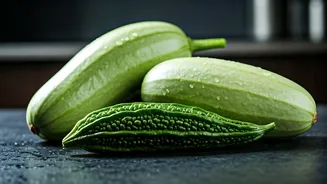
Lauki, or bottle gourd, is often dismissed for its high water content (about 92%) and subtle flavour. But that’s precisely where its power lies. In a hot, tropical climate like India’s, staying hydrated is crucial, and lauki is a fantastic, low-calorie way to replenish fluids and essential minerals like potassium, which helps maintain electrolyte balance. Its high water and fibre content also make it a champion for digestive health. It’s light on the stomach, easy to digest, and helps prevent constipation. Ayurvedic tradition has long prized lauki for its cooling properties, recommending it to reduce body heat and calm the digestive system, making it a perfect food for scorching summer months.
Lauki's Role in Modern Wellness
Beyond hydration, lauki is a quiet ally for weight management. Being low in calories and high in fibre, it promotes a feeling of fullness, helping to curb overeating. Its juice, while a subject of some debate, has been traditionally used as a post-workout drink to replenish glycogen levels and combat fatigue. The vegetable is also a source of Vitamin C, B vitamins, and iron. Instead of seeing it as a bland obligation, think of it as a versatile base. It beautifully absorbs the flavours of spices and dals it’s cooked with, making it a blank canvas for a healthy and flavourful meal. A simple lauki chana dal or a spiced sabzi can be both delicious and incredibly nourishing.
The Case for Karela: Embracing the Bitter
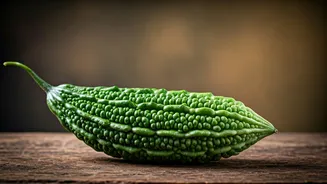
No vegetable announces its presence quite like karela. Its intense bitterness is its defining characteristic, but it's also the source of its remarkable medicinal properties. Karela is most famous for its role in managing blood sugar. It contains an insulin-like compound called Polypeptide-p or p-insulin, which has been shown in various studies to help lower blood glucose levels naturally. This makes it an important part of a diet aimed at managing or preventing type-2 diabetes. The bitterness also stimulates the liver and improves digestion by promoting the secretion of bile acids. It’s a powerful natural detoxifier, helping to cleanse the blood and support liver function.
Beyond Blood Sugar: A Nutrient Powerhouse
If its benefits for blood sugar weren't enough, karela is also loaded with nutrients. It's an excellent source of Vitamin C, which boosts immunity, and Vitamin A, which is crucial for vision and skin health. The antioxidants present in bitter gourd help fight free-radical damage, contributing to healthier skin and potentially reducing the signs of ageing. The key to enjoying karela is in the preparation. To reduce bitterness, you can scrape the peel, remove the seeds, and marinate the pieces in salt for about 30 minutes before rinsing and cooking. Stir-frying it with onions, stuffing it with a spicy masala (bharwa karela), or turning it into crispy, air-fried chips can transform this vegetable from a challenge into a delicacy.