








The Rise of Experiential Travel
Today’s young travellers are trading possessions for experiences. The goal isn't just to see a place, but to immerse in it, and solo travel offers the ultimate freedom to do so. This generation is driven by a 'you only live once' (YOLO) mindset, seeking
meaningful adventures, from trekking in the Himalayas to exploring local cultures. This shift from passive tourism to active participation means prioritizing activities like cooking sessions, heritage walks, and community interactions over just visiting landmarks. It’s about creating unforgettable memories without needing a large group or a hefty bank balance, making budgeting a key enabler of this new travel style.
Hack 1: The Hostel Revolution
Gone are the days when hostels were just dingy dorms. Today’s hostels in India are vibrant social hubs, central to the backpacker experience. Chains like Zostel and The Hosteller are booming, offering not just affordable beds but a sense of community. For a solo traveller, this is invaluable. These spaces provide a chance to meet like-minded people, share stories, and even find travel companions for a day's outing. With amenities like in-house cafes, co-working spaces, and organized local tours, hostels have become destinations in themselves, making them the default choice for young, budget-conscious explorers.
Hack 2: Mastering Local and Overnight Transport
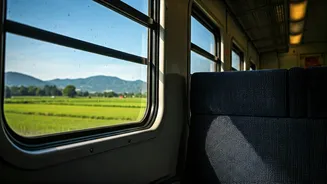
One of the most effective budgeting hacks is to travel like a local. India’s extensive train network and web of local buses are incredibly affordable. A smart traveller can navigate a city or even travel between states for a fraction of the cost of a private cab. An even savvier trick is using overnight buses or trains. This popular hack serves a dual purpose: it gets you to your next destination while saving you the cost of one night's accommodation. It’s a practical trade-off—sacrificing a bit of comfort for significant savings that can be better spent on experiences.
Hack 3: Eating Smart, Not Just Cheap
Food is a huge part of travel, and for the budget-conscious solo explorer, it's an area ripe for smart spending. The golden rule is to eat where the locals eat. Dhabas and street food stalls offer authentic flavours for a minimal cost. A filling and delicious thali at a local restaurant can often cost less than a single coffee at a tourist-trap cafe. This approach isn't just about saving money; it’s about a more genuine cultural experience. Many hostels now also feature communal kitchens, allowing travellers to cook their own meals, which further helps in managing daily expenses.
Hack 4: The Art of Off-Season and Offbeat Travel
Another widely adopted strategy is to travel during the shoulder or off-season. This simple shift can lead to massive savings, with flights, accommodation, and even activities costing significantly less. Destinations are also less crowded, allowing for a more peaceful and authentic experience. Similarly, there's a growing trend of exploring lesser-known, offbeat destinations instead of just ticking off popular tourist spots. These places often offer unique cultural encounters and are naturally more budget-friendly, aligning perfectly with the young solo traveller’s quest for both adventure and affordability.
Hack 5: Leveraging Digital Tools and Communities
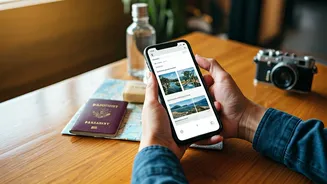
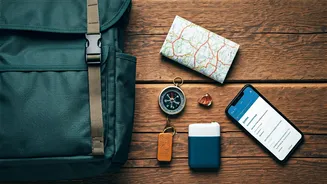
The digital revolution has been a game-changer for solo travel. Budgeting apps help travellers track every rupee, while platforms like Hostelworld and Booking.com make finding affordable stays simple. Getting a local or e-SIM card is another common hack to avoid high data costs while using maps and staying connected. Furthermore, online communities and social media groups dedicated to travel in India provide a wealth of crowdsourced information, from safety tips for solo female travellers to reviews of the latest budget-friendly cafes. This digital ecosystem empowers young Indians to plan and execute their trips with confidence and financial control.