



The First Step: Soaking and Rinsing
Before you begin cooking, the most crucial step is to prepare your millets. Most millets benefit from a thorough rinse under cold water to remove any dust or natural coating called saponins, which can impart a bitter taste. Following the rinse, soaking
is highly recommended. Soaking millets for at least 6-8 hours not only softens the grain for even cooking but also helps in breaking down anti-nutrients, making them easier to digest. This step is key to avoiding a common pitfall of unevenly cooked grains. Some smaller millets like foxtail may only need 30-45 minutes. After soaking, always discard the water and give the millets one final rinse before cooking.
Perfect Millet for 'Rice' Dishes
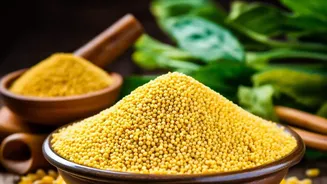
Replacing rice is often the first step for many. Little millet, kodo millet, and foxtail millet are excellent starting points as their flavour is mild and they cook up to a texture similar to rice. For fluffy, separate grains perfect for pulao, biryani, or to be served with dal and curries, the general water-to-millet ratio is 2:1 (2 cups of water for every 1 cup of millet). If you have soaked the millet, you can slightly reduce the water. You can cook them in a pressure cooker for about 2-3 whistles, in a rice cooker on a standard setting, or in an open pot until the water is absorbed. Letting the cooked millet rest for ten minutes before fluffing with a fork helps to separate the grains.
Creamy Porridge and Fluffy Upma
For dishes like upma, khichdi, and porridge, the texture needs to be softer and sometimes creamier. To achieve this, simply increase the water ratio. For a porridge-like consistency, a 1:3 or even 1:4 ratio of millet to water works well. Barnyard millet is great for upma, while foxtail and kodo millets can also be used. To enhance flavour, you can lightly toast the dry millet grains in a pan until fragrant before adding water and other ingredients. This brings out a pleasant, nutty aroma.
Soft and Pliable Millet Rotis
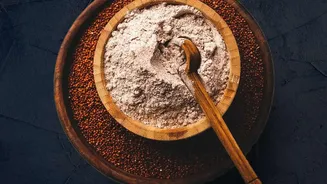
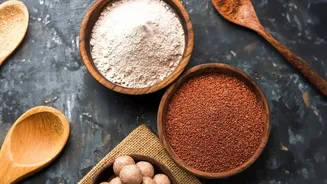
Making soft rotis from gluten-free millet flour like jowar (sorghum), bajra (pearl), or ragi (finger millet) can be challenging, but the secret lies in using hot water. Instead of room temperature water, mix the millet flour with boiling water and a pinch of salt. This process gelatinizes the starches, making the dough more pliable and less prone to cracking. After mixing with a spoon, let it cool slightly until you can handle it, then knead the warm dough for a few minutes until it becomes smooth. You can then roll them out, using a little dry flour for dusting, and cook on a hot tawa just like regular chapatis.
Crispy Dosas and Soft Idlis
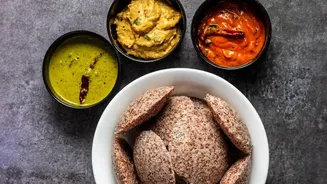
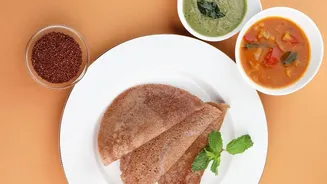
Millets are a fantastic, nutritious substitute for rice in idli and dosa batter. Foxtail, barnyard, kodo, and little millets are popular choices. You can replace rice entirely or start with a 50:50 mix of rice and millet. The process remains the same: soak your chosen millet along with urad dal and fenugreek seeds, grind into a smooth batter, and allow it to ferment for several hours until it rises. Some find that using a mix of different millets yields a batter with a great texture and nutritional profile. The resulting batter can be used to make crispy dosas and soft, fluffy idlis, just as you would with a traditional rice-based batter.