





Beyond the Usual Suspects
For decades, eating out at an Indian restaurant often meant choosing between a handful of North Indian staples. While delicious, these dishes barely scratched the surface of the subcontinent's culinary diversity. Today, that is changing dramatically.
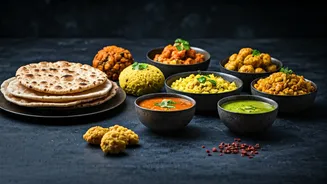
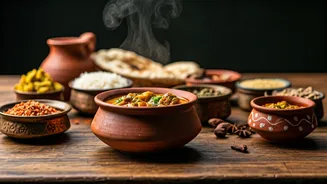
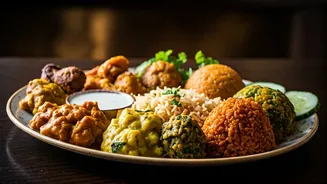
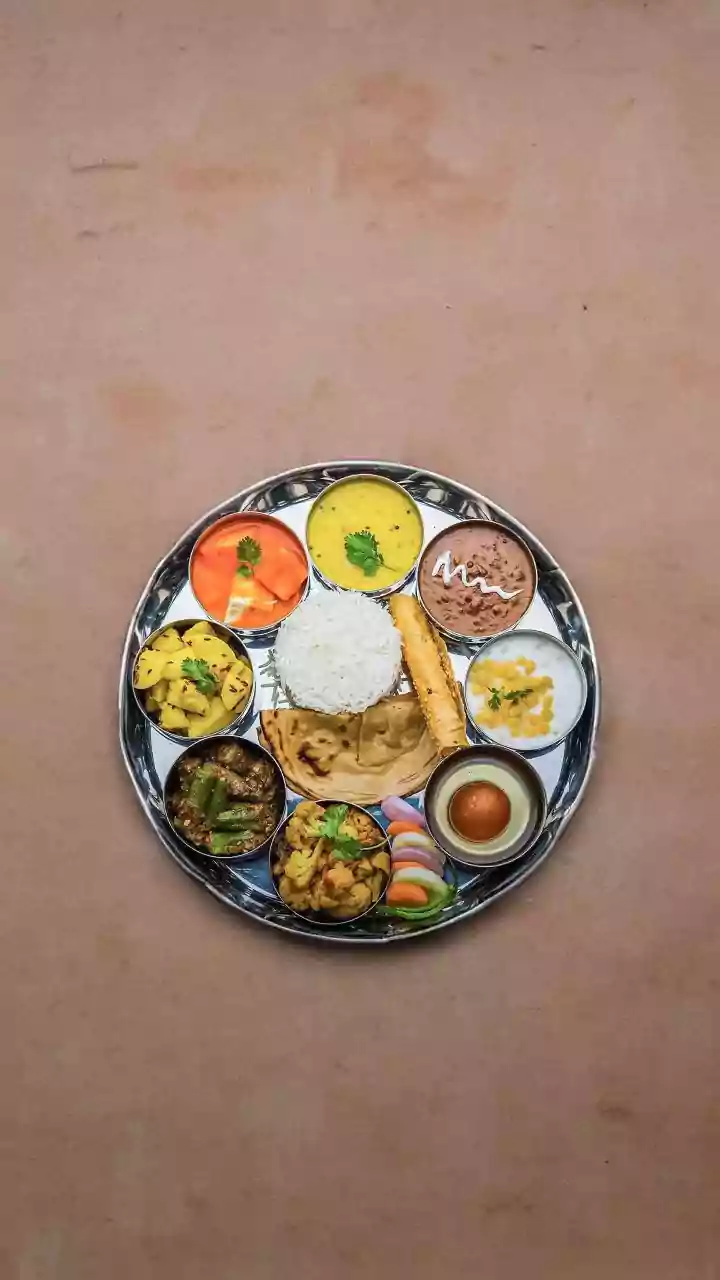
A wave of chefs and restaurateurs are leading a regional revival, championing hyperlocal cuisines that were once confined to home kitchens. [10, 14] Diners are now exploring the fiery vindaloos of Goa, the fermented bamboo shoot dishes of Nagaland, and the subtle, coconut-rich flavours of Kerala with newfound curiosity. [7, 22] This isn’t about chasing a fleeting trend; it’s a confident movement to redefine Indian food on its own terms, showcasing the vast tapestry of flavours from states like Odisha, Bihar, and beyond. [13, 14]
From the Farm, to Your Table
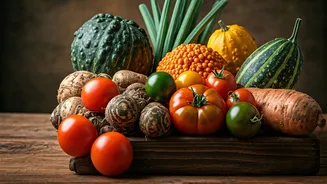
The phrase “farm-to-table” is more than just a buzzword in India’s current food climate; it's a philosophy. [2] Restaurants across the country, from Mumbai's Masque to Delhi's Kiyan, are building their menus around what’s grown locally and seasonally. [2, 16] This 'locavore' movement, championed by figures like chef Thomas Zacharias, emphasizes a direct connection between the diner, the chef, and the farmer. [17, 26] Some establishments even own their own farms or work directly with producers, ensuring ingredients are fresh, high-quality, and have a minimal carbon footprint. [2, 16] This shift not only results in better-tasting food but also fosters sustainability and supports local agricultural communities, making every meal a conscious choice. [15, 20]
The Return of Ancient Grains
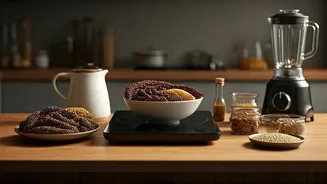
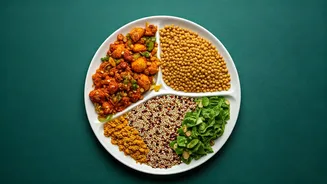
The hero ingredients of India's new food story are often ancient ones. Chefs are enthusiastically rediscovering and celebrating indigenous produce, from hyperlocal greens and foraged vegetables to unique cheeses like Bandel. [9, 25] The most prominent comeback kid, however, is the millet. Once a staple, grains like ragi, jowar, and bajra are being hailed as superfoods for their nutritional benefits and climate resilience. [6, 19] Supported by government initiatives and embraced by health-conscious consumers, millets are appearing in everything from high-end restaurant dishes to cafe snacks and ready-to-eat products. [6, 31] Their revival is a powerful example of how returning to agricultural roots can address modern concerns about health and sustainability.
A New Culinary Confidence
Underpinning this entire movement is a newfound sense of cultural confidence. Indian chefs are no longer feel the need to adapt or dilute traditional flavours for a globalised palate. [23] Instead, they are presenting authentic regional dishes with pride, focusing on mastering traditional techniques like fermentation and slow cooking to extract maximum flavour from local ingredients. [8] Diners, in turn, are more adventurous and knowledgeable than ever, seeking the stories behind their food and craving authenticity over imitation. [7, 23] They are graduating from the gateway dishes of the past and are ready to explore the true depth and complexity of India’s culinary heritage. [3] This synergy between confident chefs and curious eaters is what makes India's 2026 food story so compelling—it's a celebration of identity, served one delicious, homegrown plate at a time.