





Why General Forecasts Fall Short
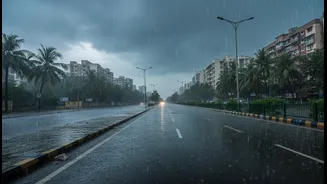
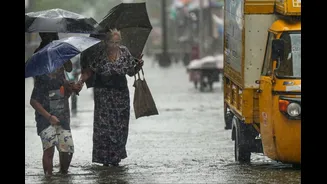
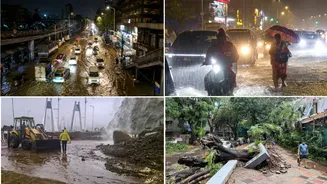
In a city as geographically unique as Mumbai, a general weather forecast often isn't enough. Heavy rainfall can create drastically different conditions from one neighbourhood to the next. Factors like low-lying areas, high tides preventing rainwater from draining
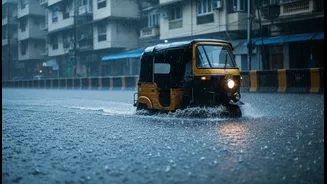
into the sea, and clogged drains mean that hyper-local, real-time information is essential. A shower in Bandra might be a deluge in Kurla, leading to waterlogging that paralyses traffic within minutes. This is where the Brihanmumbai Municipal Corporation's (BMC) dedicated alert system becomes indispensable. It's designed to provide specific, timely warnings that a standard forecast can't match, moving beyond prediction to active disaster management.
What BMC Alerts Actually Tell You
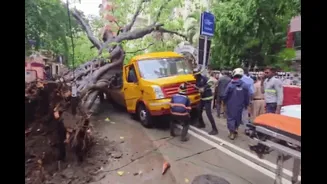
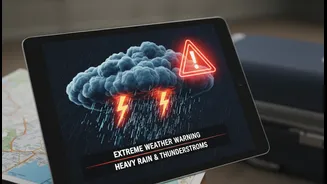
The BMC's alerts, often issued in collaboration with the India Meteorological Department (IMD), are more than just a rain prediction. They provide colour-coded warnings—like the recent Red and Orange alerts—that signify the intensity and potential impact of the rainfall. These advisories can include warnings of extremely heavy rainfall, high wind speeds, and crucial high tide timings that can worsen flooding. They also contain actionable advice, such as urging citizens to stay indoors, avoid parking under trees, and stay away from beaches or waterlogged areas. This information helps residents understand not just the weather, but the direct risks associated with it, from traffic disruptions to potential structural dangers.
How to Access Official Alerts
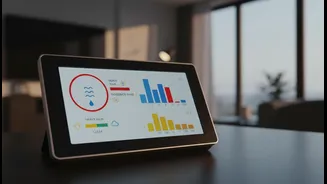
Staying informed is easier than ever with multiple channels available. The primary tool is the 'Disaster Management BMC' mobile app, available for both Android and iOS. This app provides push notifications for alerts, real-time rainfall data from over 60 automatic weather stations, transport status updates (trains, BEST, metro), and information on traffic diversions. Additionally, the BMC is active on social media, providing regular updates. For those who prefer a simpler method, the civic body has a system to send emergency SMS alerts. And in any critical situation, the 24/7 helpline number, 1916, is available for assistance and official information. It is crucial to rely on these official channels to avoid misinformation and rumours that can spread during emergencies.
Turning Alerts into a Daily Action Plan
Receiving an alert is only the first step; using it to shape your day is what truly matters. An 'Orange' or 'Red' alert for the next day should trigger immediate planning. Can you work from home? If you must travel, can you leave earlier to avoid the worst of the rain and traffic? The alerts can help you decide which routes to avoid, especially known waterlogging spots. For parents, these alerts are critical, as the BMC often declares school and college holidays based on severe weather warnings, as seen recently on July 6th and 7th. An alert might prompt you to charge your devices, check your emergency supplies, or move your vehicle to higher ground. It's about shifting from a reactive mindset—getting stuck in the rain—to a proactive one, where you anticipate disruptions and make informed decisions to minimise their impact on your life.
Beyond the BMC: Complementary Tools
While the BMC's system is the official source, several other applications can provide a more complete picture. Apps like 'm-Indicator' are invaluable for their real-time updates on local train schedules, a lifeline for millions of commuters. Weather visualisation apps like 'Windy' use IMD radar data to show you approaching rain in near real-time, helping you time a quick errand. For a broader overview of flood risks, the Central Water Commission’s 'FloodWatch' app provides data on water levels at monitoring stations. Using these tools in conjunction with the official BMC alerts creates a powerful information toolkit, giving you multiple layers of data to navigate the monsoon with greater confidence and safety.