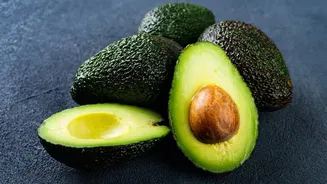




The avocado is a fickle fruit. One day it's a hard, flavorless rock; the next, it's a mushy, browned mess. The secret to perfectly creamy avocados every time isn't luck—it's understanding the simple science of how they ripen.
The Science of Ripening: It's All About the Gas
Avocados are unique in that
they do not ripen on the tree. Instead, the ripening process begins only after they are harvested. They belong to a category of fruits known as 'climacteric', which means they produce a natural plant hormone called ethylene gas to ripen. This gas triggers enzymes that convert starches into sugars and break down cell walls, transforming the hard, bland fruit into the creamy, buttery delight we know and love. Storing a whole, unripe avocado on your kitchen counter at room temperature provides the ideal environment for this natural process to unfold. The warmth encourages the fruit to produce and release ethylene, allowing it to soften and develop its characteristic flavor over a few days.
Why the Refrigerator Is the Enemy (At First)
It might seem logical to put your groceries in the fridge, but for an unripe avocado, this is a critical mistake. Cold temperatures effectively halt the ripening process. The refrigerator acts as a pause button, preventing the avocado from producing the ethylene gas needed to mature. If you refrigerate a rock-hard avocado, it won't magically ripen in the cold. Worse, chilling it too early can cause 'chilling injury', which results in a rubbery, waxy texture and prevents the fruit from ever achieving a creamy consistency, even if you later return it to the counter. The flesh may soften slightly, but it will lack the proper flavor and may develop unappealing gray, stringy spots.
How to Know When It's Perfectly Ripe
The key to checking for ripeness is a gentle touch. Don't press the body of the avocado with your fingertips, as this can cause bruising. Instead, hold the fruit in the palm of your hand and give it a gentle squeeze. A ripe avocado will yield slightly to this firm but gentle pressure. If it feels completely solid, it needs more time. If it feels mushy, it's likely overripe. For Hass avocados, the most common variety, the skin will also darken from a bright green to a deep green or nearly black color. Another reliable trick is to flick off the small stem cap at the top. If it comes off easily and reveals a bright green color underneath, your avocado is ready to enjoy.
Need It Sooner? The Paper Bag Trick
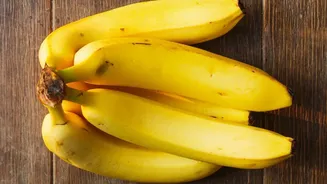
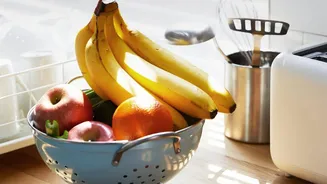
If you need guacamole in a hurry, you can speed things up. Placing your unripe avocado in a paper bag will trap the ethylene gas it naturally produces, concentrating it and accelerating the ripening process. To give it an extra boost, add a banana or an apple to the bag. These fruits are potent ethylene producers and will help your avocado ripen much faster, often in just a day or two. Avoid using a plastic bag, as it traps moisture and doesn't allow the fruit to breathe, which can promote mold.
You've Reached Peak Ripeness. Now What?
Once your avocado is perfectly ripe, the rules change. Now is the time to use the refrigerator. Placing a whole, ripe avocado in the fridge dramatically slows down any further ripening, essentially putting it in a state of suspended animation. This is the 'pause button' you were looking for, and it can preserve your perfectly ripe avocado for three to five days, and sometimes up to a week. This simple two step process—counter to ripen, fridge to preserve—is the ultimate strategy for ensuring you always have a ready to eat avocado on hand.