




Catch a Final Summer Meteor
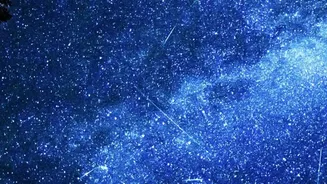
While the famous Perseid meteor shower peaked in the middle of the month, its lingering stragglers can still be seen streaking across the sky. However, your best bet for a shooting star this week is the lesser-known Kappa Cygnid meteor shower. This shower is active
from early August until around August 28, with its peak happening right around August 17 and 18. It’s not a dramatic downpour, typically producing only about three meteors per hour. So, why watch? The Kappa Cygnids are famous for producing the occasional “fireball”—an exceptionally bright, slow-moving meteor that can light up the entire sky for a few breathtaking seconds. With the moon setting early in the evening, viewing conditions are quite favourable. Find a dark spot away from city lights, look towards the constellation Cygnus (the Swan), and you might just catch one of these spectacular fireballs.
The Lord of the Rings Takes the Stage
The star of the late August sky is undoubtedly the planet Saturn. While its main event—opposition, when it will be at its biggest and brightest for the year—is not until early October, August is the perfect time to start tracking this gas giant. Each night, Saturn rises a little earlier, becoming a prominent and majestic golden-hued point of light in the evening sky. After being barely visible for the last couple of years, its magnificent ring system is tilting back towards Earth, making the view through a telescope particularly rewarding. You no longer need a powerful instrument to see the rings clearly separated from the planet’s disk. Even with a good pair of binoculars, you can appreciate its steady, serene glow that distinguishes it from the twinkling stars around it. Look for it rising in the east as the evening deepens.
The Sturgeon Moon Shines Bright
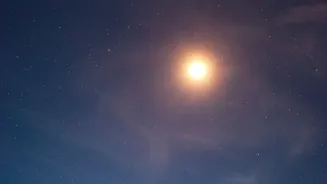
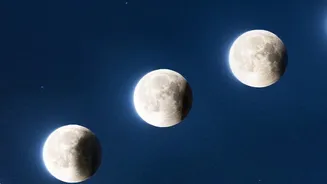
Get ready for the final full moon of the summer season on the night of August 28. This month’s full moon is traditionally known as the Sturgeon Moon, a name given by Native American tribes who found that the giant sturgeon fish in North America's Great Lakes were easiest to catch at this time of year. It is also known by other names in different cultures, such as the Green Corn Moon or Grain Moon, reflecting the late-summer harvest. For Hindus, this full moon coincides with Raksha Bandhan, a festival celebrating the bond between siblings. While a deep partial lunar eclipse will occur at the same time, it is important to note that this eclipse will not be visible from India, as the event will take place when the moon is below the horizon for observers in the region. Nevertheless, the full moon itself will be a brilliant sight, rising in the east around sunset and dominating the night sky.
Quick Tips for Your Night Sky Adventure
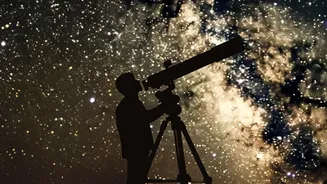
You don’t need to be a professional astronomer to enjoy these celestial events. The most important step is to find a location with as little light pollution as possible. Parks, countryside spots, or even rooftops with a clear view of the sky can work wonders. Give your eyes about 20 to 30 minutes to fully adjust to the darkness; this will dramatically increase the number of stars you can see. While you can spot planets and meteors with the naked eye, a pair of binoculars will enhance the view of Saturn and its moons, and can help you scan the sky for faint meteors. There are also dozens of excellent stargazing apps for your phone that can help you locate constellations, planets, and the radiant points of meteor showers in real-time. Just be sure to switch the app to its red-light mode to preserve your night vision.