





Problem 1: Health and Hygiene Hazards
The monsoon is a prime breeding season for mosquitoes, increasing the risk of diseases like dengue and malaria. High humidity and contaminated water also lead to a spike in water-borne illnesses and fungal infections. Tempting street food can be a major
source of stomach infections, as ingredients may be exposed to contaminated water. Staying healthy requires a proactive approach. Always drink boiled or purified water and avoid ice from unknown sources. Pack an insect repellent and consider wearing long-sleeved clothing, especially during early mornings and evenings, to protect against mosquito bites. It's also wise to prepare a basic first-aid kit with essentials for common ailments. While the roadside snacks might look appealing, it is safer to enjoy freshly prepared meals.
Problem 2: Travel and Transport Nightmares
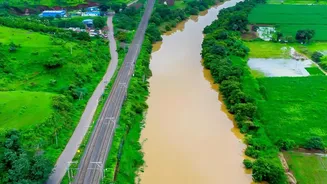
Sudden, heavy downpours can cause significant travel disruptions. Waterlogged roads, traffic jams, and landslides can lead to long delays, particularly in mountainous and coastal regions. Flight schedules are also notoriously unpredictable, with delays and cancellations becoming common due to poor visibility and challenging weather conditions. To avoid getting stranded, build flexibility into your itinerary. Leave extra time for airport transfers and road trips. Before setting out, always check weather alerts and local transport updates. Choosing direct flights can minimize the chances of missing a connection due to weather-related delays. Investing in travel insurance that covers weather-related disruptions can provide a financial safety net.
Problem 3: The Wrong Wardrobe and Gear
Packing the wrong clothes can make your trip uncomfortable. Heavy fabrics like denim and thick cotton take a long time to dry in the humid monsoon air, leaving you feeling damp. Improper footwear can lead to slips on wet surfaces or fungal infections. Electronics are also vulnerable to damage from the high humidity and unexpected showers. To stay comfortable, pack lightweight, quick-drying clothes made from synthetic blends. Darker colours are a practical choice as they are better at hiding mud splashes. Waterproof footwear with a good grip is essential for navigating wet and slippery paths. Protect your gadgets by storing them in waterproof bags or pouches. A lightweight, foldable raincoat and a sturdy, wind-resistant umbrella are non-negotiable accessories for any monsoon adventure.
Problem 4: Destination and Itinerary Issues
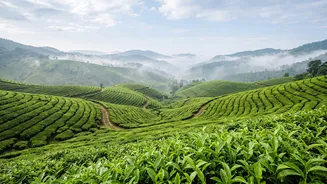
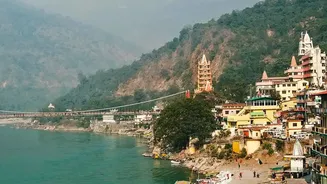
Not all destinations in India are ideal during the monsoon. Some national parks, beaches, and trekking trails may close due to safety concerns like flooding or landslides. Overly packed itineraries with no room for delays can quickly turn a dream holiday into a stressful experience. Research your destination carefully. While places like Meghalaya and the Western Ghats are famous for their dramatic monsoon beauty, they also experience torrential rain. Gentler options like Munnar, Coorg, or Udaipur offer misty, romantic landscapes without the constant downpour. When planning activities, have backup options. A day planned for trekking might need to be swapped for a visit to a local tea museum or a relaxing afternoon at a cafe overlooking the rain-swept hills.
Problem 5: Annoying Skin and Hair Troubles
The constant dampness and high humidity in the atmosphere can wreak havoc on your skin and hair. The excessive moisture in the air can lead to a variety of issues, including rashes, acne breakouts, and frustrating fungal infections. Hair can become frizzy, unmanageable, or prone to dandruff and increased hair fall. To manage these issues, maintain a strict personal hygiene routine. Take a shower after getting caught in the rain to wash off pollutants. Use antifungal powders to keep common skin infections at bay, especially on your feet. Pack a good, gentle clarifying shampoo and a reliable anti-frizz serum to keep your hair manageable. Wearing light, breathable fabrics helps your skin breathe and reduces the risk of irritation from damp clothes.