







More Than Just Old Wood
First, let's clear up a common confusion: upcycling isn't the same as recycling. While recycling breaks down materials to create something new (and often of lesser quality), upcycling creatively reuses an object, preserving its character while giving
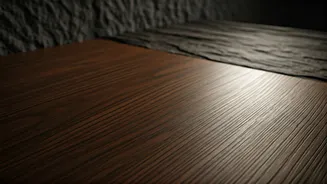
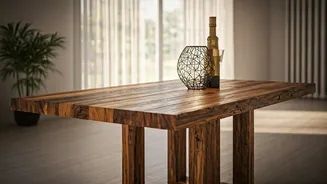
it a new, higher-value purpose. In the world of furniture, this means an old railway sleeper, a discarded door from a haveli, or even humble shipping pallets are not being turned into pulp. Instead, they are being cleaned, treated, and reimagined by skilled artisans into stunning, one-of-a-kind coffee tables, dining tables, and consoles. Each piece retains its history—the nicks, the grain, the weathered patina—making it a functional work of art.
The Soul of Sustainability
The rise of the upcycled wooden table is about much more than just aesthetics. It’s a direct response to the era of 'fast furniture'—mass-produced, particleboard pieces that are designed to be cheap and, ultimately, disposable. As consumers, especially millennials and Gen Z, become more environmentally conscious, they are actively seeking alternatives. An upcycled table represents a vote for the circular economy. It prevents old wood from ending up in a landfill and reduces the demand for newly harvested timber. Buying one feels good because it’s a tangible way to embrace sustainability without sacrificing style. Each table has a unique backstory, a narrative of transformation that resonates far more deeply than an item assembled from a flat-pack box.
Perfect for the Visual Age
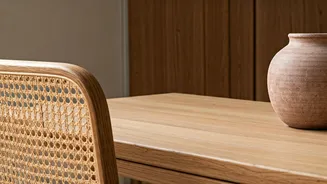
There's a simple reason these tables are stars of short-form video: they are incredibly photogenic. In the sterile, often neutral palettes of modern interior design, an upcycled wooden table acts as a powerful anchor. Its rich texture, deep colours, and natural imperfections create immediate visual interest and warmth. It provides a stunning contrast to smooth concrete floors, plush velvet sofas, or sleek metal accents. A 15-second Reel can perfectly capture the interplay of light across the wood's surface, the rustic grain against a modern ceramic vase, or the story behind the piece. This visual dynamism makes it a hero product for designers and home influencers looking to create content that feels both aspirational and authentic.
A Modern Nod to Indian Tradition
In India, the concept of reusing and valuing old materials is nothing new; it’s woven into our cultural fabric. For generations, beautiful, sturdy wood from old homes, furniture, and boats has been repurposed. What’s different now is the framing. This trend takes that inherent respect for craftsmanship and material and packages it for the modern, urban Indian home. It connects a new generation with the tangible history found in reclaimed teak, rosewood, or mango wood, often sourced from different parts of the country. Local workshops and designers are gaining prominence by blending traditional woodworking skills with contemporary design sensibilities, creating pieces that feel both globally relevant and deeply Indian.
Finding Your Forever Piece
Inspired to find your own upcycled centrepiece? The key is to look for character and quality. Don't be afraid of imperfections—they're part of the charm. However, do check for structural integrity. Ensure the table is stable and that the wood has been properly treated to prevent pests. Run your hand over the surface to check the finish; it should be smooth enough to be practical, but not so overly polished that it loses its rustic feel. Ask the seller about the wood's origin story if you can. Knowing your dining table was once part of a doorway in Rajasthan or a fishing boat in Kerala adds a layer of meaning that no factory-made item can ever match.