



From Niche Hobby to Mainstream Adventure
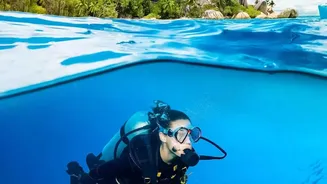
Not long ago, scuba diving in India was a specialised activity reserved for serious enthusiasts. Today, it’s an increasingly accessible adventure drawing families, solo travellers, and first-timers. This shift is powered by a growing network of professional
dive centres across the country and a rising interest in experiential travel. Modern travellers are no longer content to simply observe landscapes; they want to immerse themselves in them. This has transformed activities like diving and snorkelling from a niche hobby into a must-do holiday experience, creating an adventure circuit that spans from the Andaman Islands to Goa and Puducherry.
Exploring the Underwater Buffet
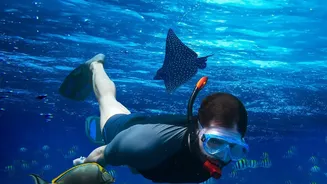
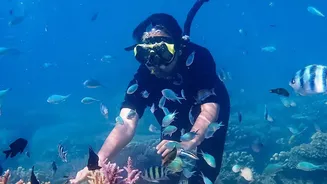
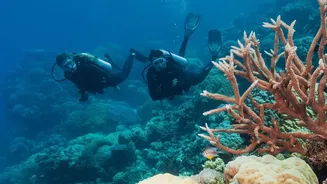
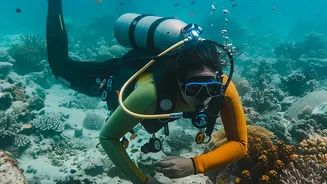
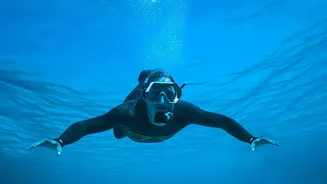
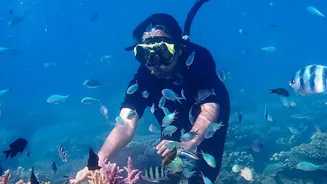
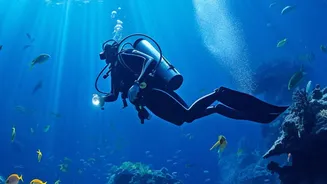
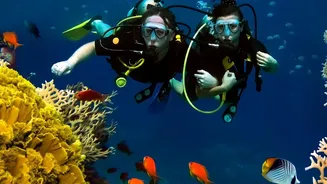
The options for underwater exploration in India are more diverse than ever. Scuba diving remains the star attraction, offering a chance to witness everything from vibrant coral gardens and majestic manta rays in the Andaman Islands to historic shipwrecks off the coast of Goa. For those not ready to take the full plunge, snorkelling provides a fantastic window into the marine world, especially in the calm, clear lagoons of Lakshadweep or near Havelock Island. A unique and increasingly popular option, particularly in the Andamans, is sea walking. This allows participants to walk on the ocean floor wearing a special helmet, offering an up-close view of marine life without any swimming skills required, making it perfect for families and beginners.
India’s Premier Underwater Destinations
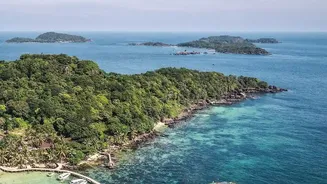
The Andaman and Nicobar Islands are India’s crown jewel for underwater tourism, boasting world-class visibility and some of the most pristine coral reefs. Destinations like Havelock and Neil Island are teeming with colourful fish and sea turtles. The Lakshadweep archipelago offers untouched reefs and crystal-clear waters ideal for spotting dolphins and rare fish. On the mainland, Goa provides accessible diving experiences, including wreck dives, perfect for those new to the sport. Meanwhile, Puducherry has become a hub for its artificial reef, which is now a thriving ecosystem. A more hidden gem is Netrani Island in Karnataka, a heart-shaped island known for its incredible biodiversity.
A Deeper Connection to Conservation
This boom in underwater tourism is fostering a powerful connection between travellers and the marine environment. When you witness the beauty of a coral reef firsthand, the need to protect it becomes personal. Many dive operators now integrate conservation into their business models. Visitors can participate in reef clean-up drives, and a portion of tourism revenue often supports local conservation projects. This form of eco-tourism provides sustainable livelihoods for coastal communities, offering an alternative to more extractive industries like overfishing. Organizations are training local community members in sustainable tourism practices, ensuring they become stakeholders in protecting their natural heritage. As one expert noted, the growing diving community serves as a vehicle for creating awareness about protecting the marine environment, turning every dive into a potential act of conservation.