

Vehicle Health: The Non-Negotiables
Before you even think about packing your bags, your vehicle needs a thorough check-up. Post-monsoon roads can be unpredictable, with lingering mud, slush, and surprise potholes. Start with the most critical components. Ensure your tyres have a tread depth
of at least 3-4mm for good grip on wet patches. Check the air pressure, including the spare. Brakes are your best friend on steep descents; get the brake pads and fluid levels inspected by a professional. Also, ensure all your lights—headlights, fog lights, and brake lights—are in perfect working order, as fog can descend without warning. Finally, replace worn-out wiper blades and top up your washer fluid for clear visibility.
Documents and Digital Aids
Getting your papers in order is crucial. Ensure you have the original copies of your driving license, vehicle registration certificate (RC), valid insurance, and a Pollution Under Control (PUC) certificate. If you're crossing state lines, these will be checked. It’s also wise to have digital copies of these documents stored on your phone or in a cloud service as a backup. For navigation, don't rely solely on mobile networks, which can be patchy in remote areas. Download offline maps of your entire route on Google Maps or a similar app before you leave. Lastly, make sure your FASTag is active and has sufficient balance to avoid delays at toll plazas.
Packing Smart: The Layering System
The post-monsoon season in the hills means dealing with a wide range of temperatures. A sunny afternoon can quickly turn into a cold evening. The key is to pack in layers. Start with a base layer of thermals, add a mid-layer like a fleece jacket, and top it with a windproof and waterproof outer jacket. This system allows you to adapt to changing conditions. For footwear, choose waterproof shoes with excellent grip. Don't forget essentials like warm socks, a beanie or cap, gloves, and sunglasses, as the UV rays can be strong at high altitudes even when it's cold.
The Essential Emergency Kit
While you hope not to use it, a well-stocked emergency kit is non-negotiable. Your first-aid kit should include basics like bandages, antiseptic wipes, pain relievers, and any personal prescription medications. For mountain travel, add medicines for motion sickness and altitude sickness (after consulting a doctor). Your car's emergency kit should contain a tow rope, jumper cables, a portable tyre inflator, and a basic tool kit. A powerful flashlight with extra batteries is also a must-have, as you should not rely on your phone's torch.
Fueling Up: Snacks and Hydration
While the hills offer plenty of roadside dhabas, it's smart to carry your own supply of snacks and water. Long stretches between towns or unexpected roadblocks can leave you hungry. Pack high-energy, non-perishable snacks like dry fruits, nuts, energy bars, and biscuits. Carrying reusable water bottles is not only environmentally friendly but also ensures you stay hydrated, which is crucial at higher altitudes. Oral Rehydration Salts (ORS) packets are a good addition to combat dehydration.
On-the-Road Safety
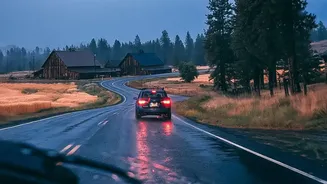
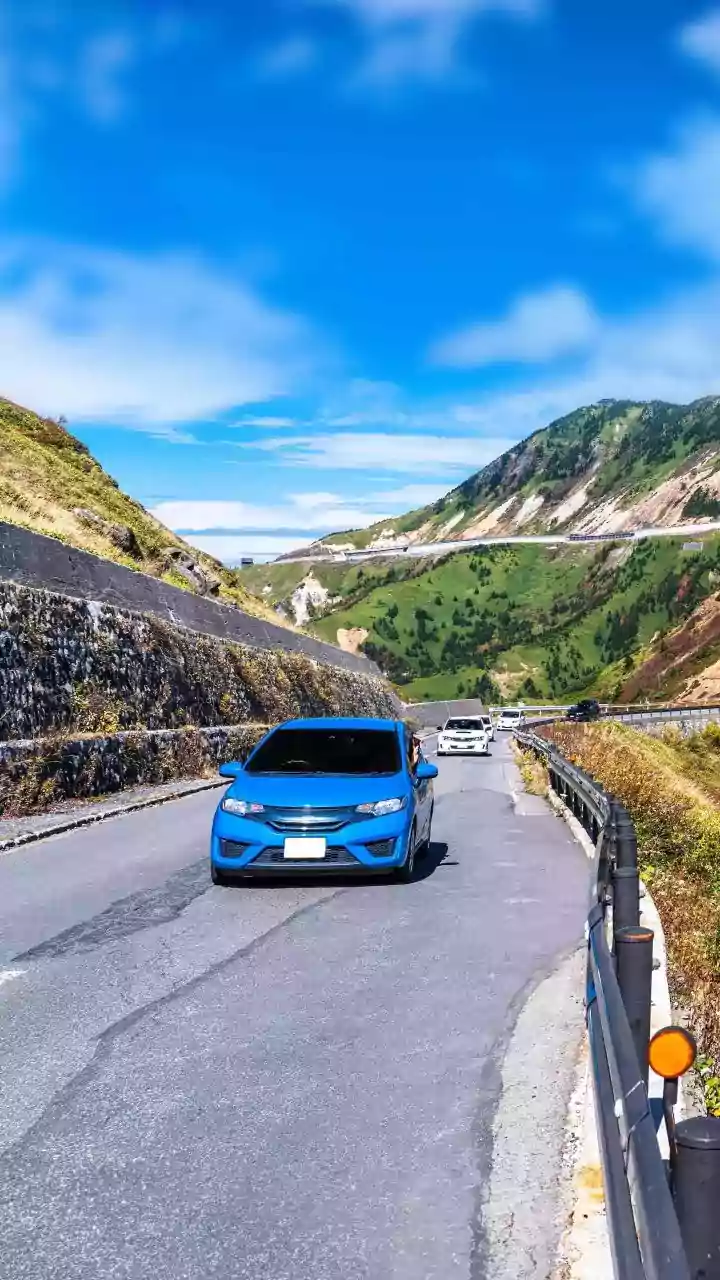
Driving in the hills after the monsoon requires your full attention. Roads can be damaged, and there's a continued risk of landslides in some areas. Always stick to daylight driving and avoid being on the road after dark, when visibility drops and spotting hazards becomes difficult. Drive slowly, especially on sharp turns and descents. Use engine braking where possible to avoid overheating your brakes. If you encounter a patch of fast-flowing water across the road, do not attempt to cross it. It's always safer to wait until the water subsides.