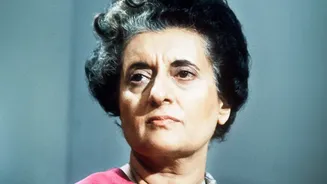




In a rare and personal moment, Sonia Gandhi recently shared a cherished memory, transporting listeners back to the dining table at 1, Safdarjung Road. Her anecdote about serving Kashmiri food illuminates her relationship with Indira Gandhi.
A Memory Shared
During a recent
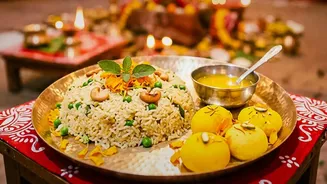
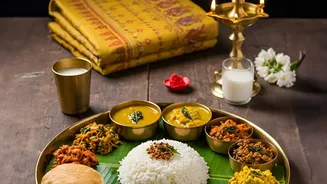
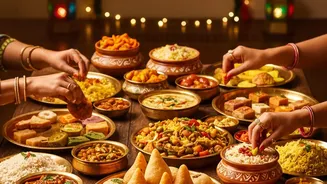
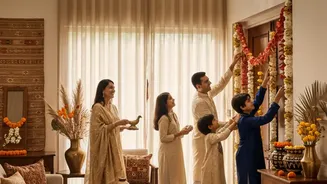
conversation with her daughter Priyanka Gandhi Vadra and granddaughter Miraya Vadra, Sonia Gandhi reminisced about life at her late mother-in-law's residence. The talk, shared in a video, turned to festival celebrations, specifically Diwali. Sonia recalled how the home would be aglow with countless earthen lamps, or diyas, and how food played a central role in their traditions. She shared that for festivals, the family would always have Kashmiri food, a custom that she noted continues to this day. This simple recollection provides a warm, humanising glimpse into a family often seen through a political lens, grounding their history in the familiar comfort of a shared meal.
The Flavours of a Kashmiri Heritage
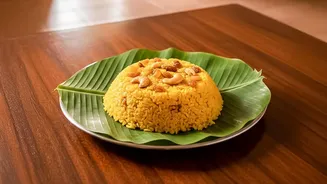
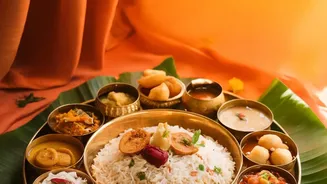
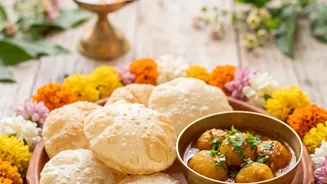
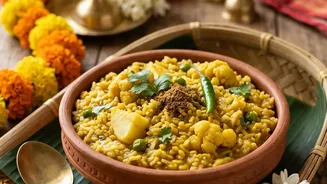
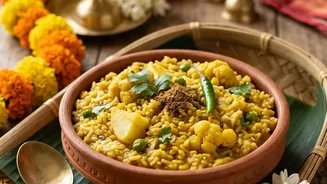
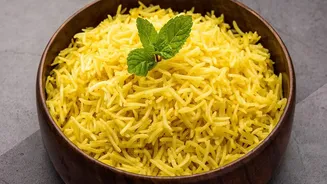
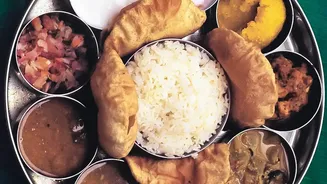
The Nehru-Gandhi family's connection to Kashmir is deep-rooted, with their ancestors being Kashmiri Pandits. This heritage was proudly reflected on their dining table. While Sonia Gandhi mentioned a special sweet rice, likely the traditional 'Modur Pulav', other accounts confirm Indira Gandhi's fondness for a wider array of Kashmiri dishes. Delicacies like Rogan Josh and paneer were favourites. More elaborate dishes, such as Gushtaba (finely pounded mutton meatballs in a yogurt gravy) and Yakhni (a fragrant, curd-based mutton stew), would often feature when entertaining. These dishes are pillars of the Kashmiri multi-course feast known as Wazwan, highlighting the cultural importance of the food served.
Food as a Bridge
Beyond flavour, the act of preparing and sharing food served as a bridge within the family. For Sonia Gandhi, entering a new country and a formidable political dynasty, the domestic sphere became a place of connection. Her recollections suggest a household where she actively participated in and absorbed these traditions. Indira Gandhi, known for her strong public persona, is revealed in these stories as someone who deeply cherished her family's cultural roots, from food and festivals to shawls and ceremonies. Accounts from family and friends describe how Indira would often sit down after guests left to truly relish a traditional Kashmiri meal, showcasing a personal and simple pleasure amidst a life of immense public duty.
The Home That History Remembers
The setting for these memories, 1, Safdarjung Road, is more than just a former address; it is a place etched into India's national consciousness. As the official residence of Prime Minister Indira Gandhi, it was the nerve centre of Indian politics for years. Today, it stands as the Indira Gandhi Memorial Museum, preserving the house much as she left it. Visitors can walk through the rooms where she lived and worked, seeing the personal effects, books, and photographs that offer a window into her life. The garden path where she took her final steps on October 31, 1984, is also preserved, a poignant reminder of the tragedy that ended her era. Sonia Gandhi's memory of serving food in this very house adds a layer of warmth and domesticity to a site often defined by political power and solemn history.