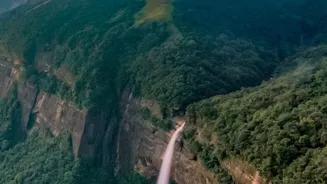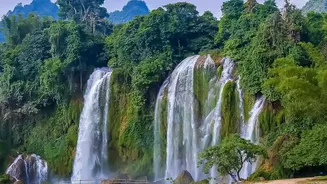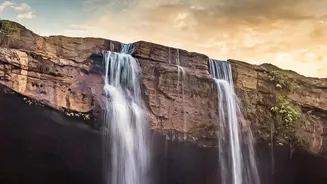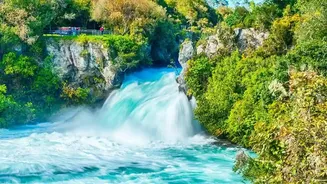





The Allure of the Ghats
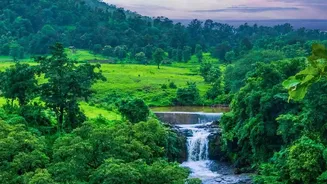
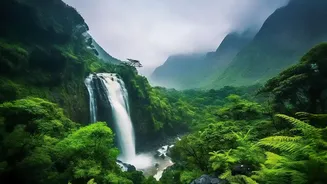
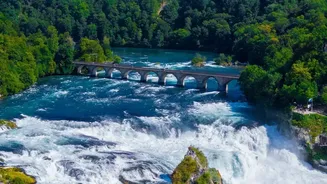
There's a unique magic to the Western Ghats during the monsoon. From mid-June to September, the landscape sheds its dry, summer skin and dons a vibrant emerald coat. This transformation creates hundreds of seasonal waterfalls, drawing crowds from Mumbai,
Pune, and beyond who are eager for a refreshing escape. Popular hill stations like Mahabaleshwar and Panchgani are reporting a significant surge in visitors, all hoping to catch a glimpse of the misty hills and gushing cascades. This annual pilgrimage to the waterfalls is a cherished monsoon ritual, but one that comes with inherent risks that have become particularly evident this year.
Lonavala and Khandala: The Popular Choice
The twin hill stations of Lonavala and Khandala remain the most accessible and popular monsoon destinations for both Mumbaikars and Puneites. Home to iconic spots like Bhushi Dam and Kune Falls, the area becomes a bustling hub of activity as water overflows onto the dam's steps and cascades down rock faces. Earlier in July, authorities had imposed restrictions at key viewpoints like Tiger Point and Bhushi Dam to manage the heavy tourist influx and prevent accidents. While these specific orders were revoked around July 16 due to a temporary reduction in rainfall, the district administration continues to urge extreme caution. The risk of slippery rocks and sudden increases in water flow remains high, making it crucial for visitors to adhere to local safety guidelines.
Bhandardara: Dramatic and Powerful
For those willing to travel a bit further, the Bhandardara region offers some of the most dramatic waterfalls in the state. Located about 165 km from Mumbai, its main attractions are Randha Falls, which plunges into a deep gorge, and Umbrella Falls, which is formed by the overflow of the Wilson Dam. The best time to see these falls in their full glory is from mid-July to September, when the dam is full. However, this area is also prone to extreme weather. In early July 2026, a 'Red Alert' for heavy rainfall led to the temporary closure of all tourist spots in the region to ensure safety. It serves as a potent reminder for travellers to always check the latest weather alerts and local advisvisories before planning a trip.
A Sobering Reminder: The Dangers of Flash Floods
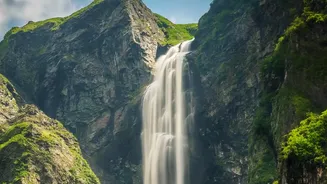
The thrill of a roaring waterfall can quickly turn dangerous, a fact tragically highlighted by recent events. On July 28, 2026, over 100 tourists were left stranded at Zenith Waterfall near Khopoli after heavy rains in the hills caused a sudden and rapid rise in the water level. A coordinated rescue operation successfully brought everyone to safety, but the incident underscores the unpredictable nature of monsoon water bodies. Flash floods can occur even if it is not raining at the waterfall itself, as rainfall in the upper catchment areas can swell streams in minutes. Authorities consistently appeal to the public to stay away from the edge of rivers and waterfalls, especially during continuous rainfall.
Your Monsoon Safety Playbook
Enjoying the monsoon responsibly is key to a memorable and safe trip. Before you head out, keep this essential advice in mind. First, always check the weather forecast and any prohibitory orders issued by the local district administration. Many popular spots, like Malshej Ghat, have faced recent road closures due to landslides and subsidence, making them inaccessible. Wear sturdy footwear with good grip, as rocks and paths become extremely slippery. Never enter fast-flowing streams or attempt to swim in waterfall plunge pools, as strong undercurrents are a common hazard. Finally, avoid taking selfies or photographs from dangerous ledges and respect all warning signs and restricted zones. The best view is always a safe one.