
The Science of Fermentation
At the heart of many South Indian delicacies is the age-old process of fermentation. This natural transformation occurs when microorganisms like beneficial bacteria and yeast break down the sugars and starches in food. For dishes like idli and dosa, a batter
of rice and urad dal (black gram) is left to sit for several hours. During this time, naturally present lactic acid bacteria (LAB) get to work. These microbes not only give the batter its characteristic tangy flavour and airy texture but also infuse it with probiotics, which are live beneficial bacteria essential for a healthy digestive system.
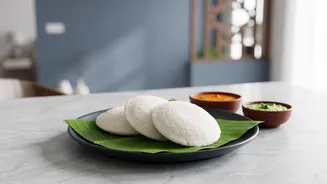
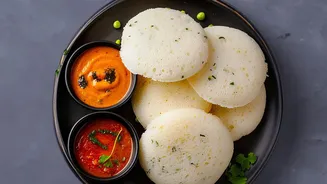
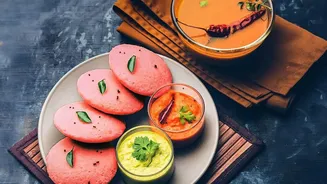
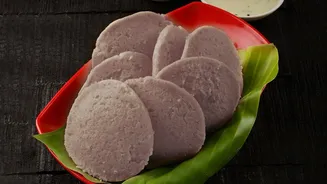
Idli: The Steamed Probiotic Powerhouse
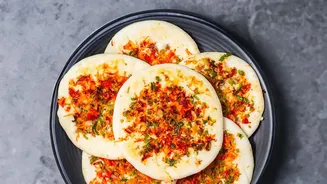
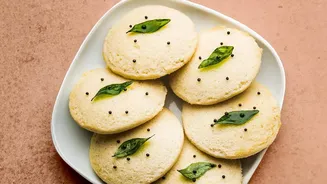
Soft, fluffy, and incredibly light, idlis are a prime example of fermented food goodness. The fermentation process makes them highly digestible because the bacteria have already started breaking down complex carbohydrates and proteins. This pre-digestion means your stomach doesn't have to work as hard, which can help reduce bloating and discomfort. Steaming the idlis helps retain their nutritional value and makes them a low-fat option perfect for a gentle start to the day. The probiotics developed during fermentation, such as Lactobacillus and Leuconostoc, help to balance the good and bad bacteria in your gut.
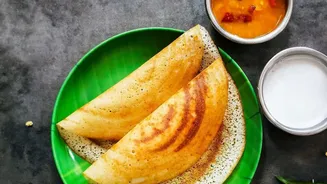
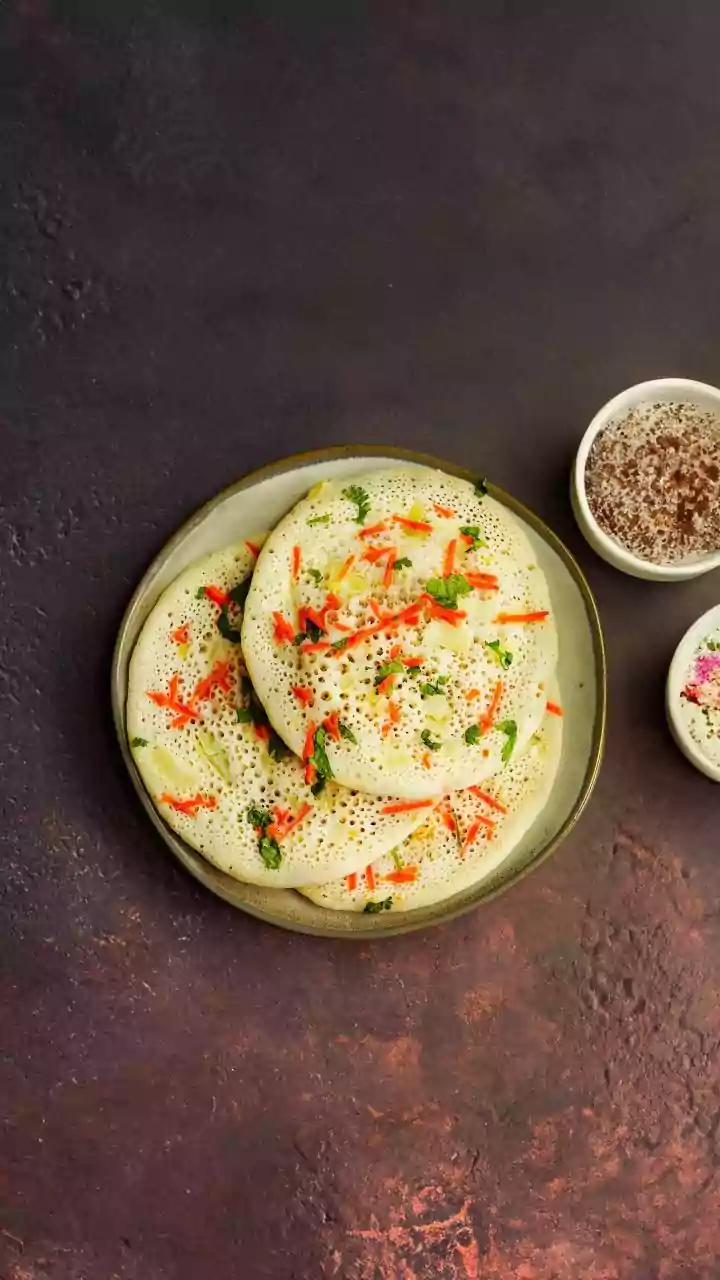
Dosa: The Crispy, Gut-Friendly Crepe
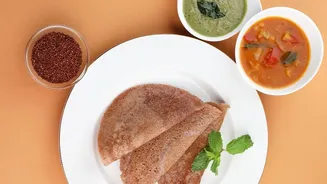
Similar to idli, the dosa batter undergoes a fermentation process that enriches it with probiotics. These beneficial bacteria help enhance nutrient absorption, meaning your body can more easily access the vitamins and minerals from the rice and lentils. Fermentation also reduces levels of phytic acid, a compound found in grains and legumes that can interfere with the absorption of iron and calcium. This makes dosa not just a tasty meal, but also a more nutritious one. A healthy gut microbiome, supported by probiotics from foods like dosa, is linked to a stronger immune system and even improved mood through the gut-brain axis.
Appam: The Lacy Pan-Fried Wonder
Appam, a bowl-shaped pancake with a soft, spongy centre and crisp, lacy edges, is another fermented favourite. Traditionally made from a batter of fermented rice and coconut milk, it offers its own unique set of benefits. The fermentation provides probiotics that support digestive health, making it easy on the stomach. Coconut milk adds healthy fats, while the rice provides carbohydrates for sustained energy. Though it offers a moderate amount of protein and fibre, it’s a light yet satisfying meal that contributes to a balanced gut microbiome.
Kuzhi Paniyaram: Savoury Fermented Bites
Often made from leftover idli or dosa batter, kuzhi paniyaram are small, savoury dumplings cooked in a special moulded pan. This makes them an excellent way to enjoy the probiotic benefits of the fermented batter in a different form. Because the batter is already rich in beneficial microbes, these pan-fried bites continue to support gut health and digestion. They are a testament to the resourcefulness of traditional cooking, ensuring that the nutritional advantages of fermentation are never wasted. They provide a balanced profile of carbohydrates and protein, making for a wholesome snack or breakfast.