



The End of the Checklist Vacation
For years, travel was a competitive sport. It was about how many cities you could cram into a week, how many famous monuments you could capture for your social feed, and returning home with bragging rights. This often led to vacations that were more exhausting
than the work they were meant to provide a break from. Today, young Indians are consciously moving away from this model. They are prioritising peace of mind over a packed schedule, driven by a desire for genuine rest rather than performative sightseeing. This shift signals a maturing travel mindset where the quality of the experience has become more valuable than the quantity of destinations visited.
Why the Shift to Slow Travel?
Several factors are fuelling this move towards intentional travel. The pressures of modern urban life and corporate burnout have left many feeling drained, making a restorative break a necessity, not a luxury. There's a growing awareness around mental health, prompting people to actively seek out experiences that promote well-being. The rise of remote and flexible work arrangements has also played a crucial role, allowing for longer stays and 'workations' that blend productivity with leisure in serene settings. For this generation, a trip is less about escapism and more about reconnection—with oneself, with nature, and with a slower pace of life.
What a 'Calm Holiday' Looks Like
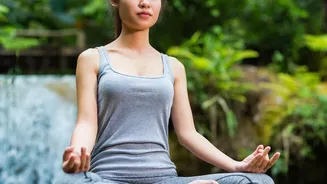
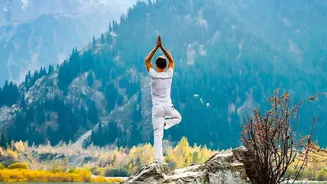
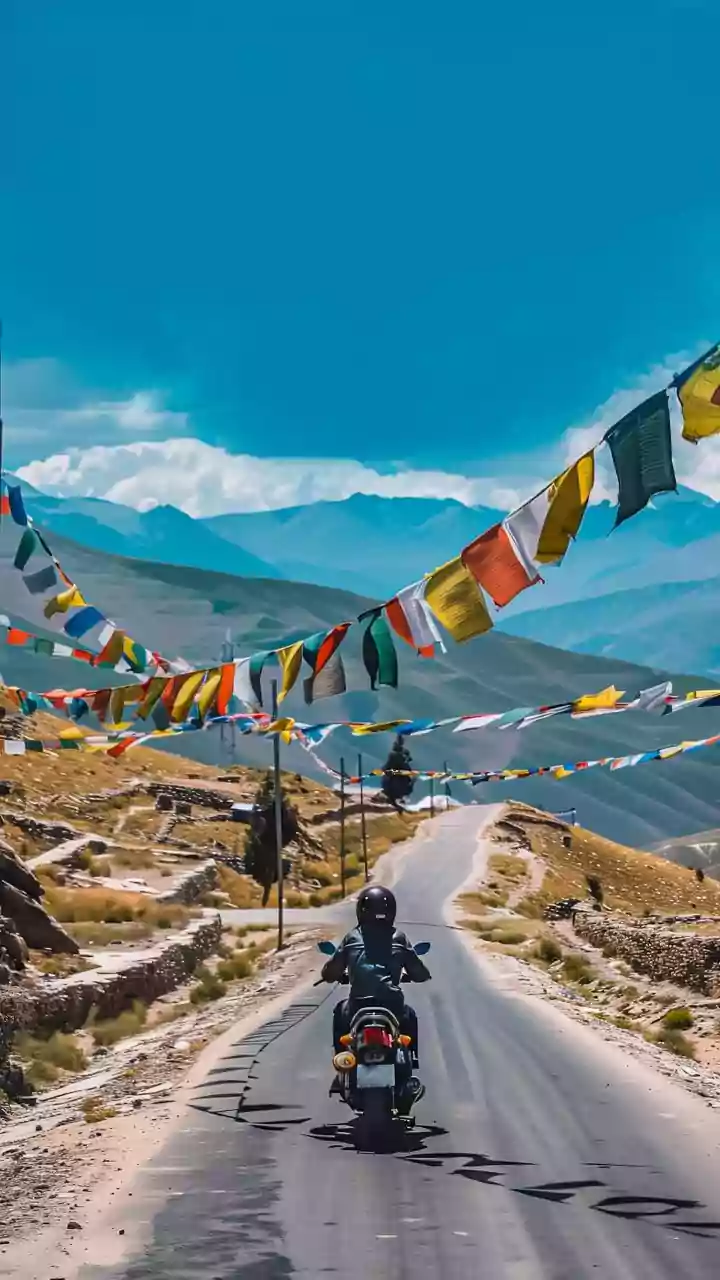
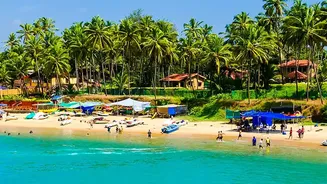
So, what does this new kind of holiday entail? It's about choosing experiences that soothe the mind and body. This could mean booking a homestay in the mountains of Himachal Pradesh for a month-long workation, with weekends spent hiking through pine forests. It could be an Ayurvedic retreat in the backwaters of Kerala, focusing on traditional healing and rejuvenation. Others are opting for digital detoxes at yoga and meditation centres in places like Rishikesh or Dharamkot, often called the 'Yoga Village'. Even beach holidays are changing, with travellers choosing the quiet shores of Gokarna or Varkala over the bustling party hubs of North Goa. The common thread is an emphasis on doing less and experiencing more, allowing for spontaneity and personal discovery.
Destinations on the Rise
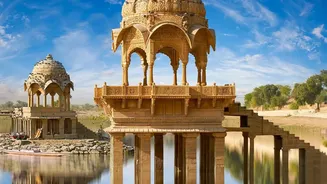
As preferences shift, so do the destinations on the map. While established spots like Kerala and Rajasthan remain popular for their ability to support slower-paced travel, many are venturing into less-explored territories. The North East, particularly Meghalaya and Sikkim, is gaining traction for its pristine landscapes and sparse crowds. Hill stations like Coorg in Karnataka, Ziro in Arunachal Pradesh, and the quieter corners of Uttarakhand are becoming go-to spots for those seeking tranquility. These places offer what many young travellers now crave most: clean air, natural beauty, and a chance to disconnect from the noise of city life. The focus is less on viral hotspots and more on finding unique, personal spaces that reflect individual taste.
More Than Just a Trip
Ultimately, this trend is about more than just where people are going; it's about why they are going. Travel is becoming a deliberate tool for self-care and personal growth. Instead of a brief escape, a holiday is now an investment in one's mental and emotional well-being. Reports show that the wellness tourism market in India is expanding rapidly, reflecting a deep-seated demand for travel that heals and restores. This generation is not just booking flights and hotels; they are curating experiences designed to bring balance, clarity, and a renewed sense of purpose. It’s a move from travel as a product to be consumed to travel as a practice to be lived.