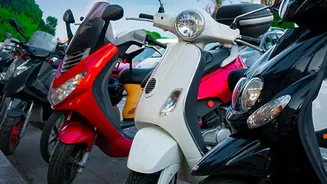







The Freedom of Two Wheels
Imagine cruising along the palm-fringed roads of Da Nang, the sea breeze in your hair, with the liberty to stop at any hidden cafe or deserted stretch of beach. This is the experience that renting a bicycle or scooter offers. Beyond the simple joy of the ride,
it provides an unparalleled sense of freedom and immersion. You operate on your own schedule, not a driver's. This mode of transport allows you to weave through small alleys, discover local markets, and access scenic spots that cars and buses simply can't reach. It transforms your journey from a series of destinations into a continuous adventure, all while experiencing the sights, sounds, and smells of coastal Vietnam up close.
A Clear Cost Comparison
The most compelling argument for renting is the significant cost savings. A scooter rental typically costs between 100,000 and 200,000 VND per day. Bicycles are even cheaper, ranging from 80,000 to 120,000 VND daily. In contrast, a single short ride in a Grab car can cost 50,000 to 80,000 VND. If you plan on making just three or four short trips in a day to explore different beaches, markets, and restaurants, your ride-hailing expenses could easily exceed the entire day's rental cost for a scooter. For long-term visitors, the savings are even more pronounced. Monthly scooter rentals can bring the daily cost down to as little as 60,000 VND, a fraction of what you would spend on daily taxis.
Best Coastal Cities for Renting
While rentals are available along much of the coast, some cities are particularly well-suited for two-wheeled exploration. Da Nang is a top choice, with its wide, clean roads, long coastline, and manageable traffic compared to Hanoi or Ho Chi Minh City. The relatively flat terrain makes it ideal for both bicycles and scooters. Nearby Hoi An, with its charming but narrow streets, is almost exclusively navigated by bike or on foot, as cars are restricted in the Ancient Town. Further south, Nha Trang's main beach road, Tran Phu, is perfect for a leisurely scooter ride, connecting the main city with attractions like Hon Chong Promontory. These cities have a high concentration of reputable rental shops, making it easy to find a reliable vehicle.
How to Rent: A Practical Guide
Renting a scooter or bike is a straightforward process. Most shops will ask for a cash deposit or to hold your passport as security. Always opt to leave a cash deposit instead of your passport. Before you ride away, conduct a thorough check of the vehicle. Test the brakes, check that the lights and indicators work, and inspect the tires. It’s also wise to take a short video of the bike's condition to avoid any disputes over pre-existing scratches upon return. Helmets are mandatory by law and should always be worn. Most rental shops provide them, but check that it fits well and the buckle is secure. For scooters over 50cc, you are legally required to have a valid motorcycle license and an International Driving Permit (IDP).
Navigating Safely and Smartly
Vietnamese traffic can seem chaotic, but it has its own rhythm. The key is to be predictable and aware. Drive defensively, maintain a steady speed, and use your horn sparingly to signal your presence. Ride-hailing apps like Grab remain a great option for rainy days, late nights, or when you have luggage. For many travelers, a hybrid approach works best: rent a scooter for daily exploration and use a car for airport transfers or longer inter-city journeys. Ultimately, choosing to rent a bike or scooter isn't just a budget decision; it's a choice to engage with Vietnam in a more direct, personal, and liberating way.