






Embrace the 'Cost-Per-Wear' Mindset
The true value of a garment isn't its price tag, but how much use you get out of it. This is the core of the 'cost-per-wear' (CPW) concept. The formula is simple: divide an item's total cost by the number of times you wear it. A ₹10,000 coat worn 100
times has a CPW of ₹100, offering far better value than a ₹1,500 trendy top worn only twice (a CPW of ₹750). Adopting this mindset encourages you to invest in quality, durable pieces you will reach for again and again, rather than chasing fleeting trends. Before making a new purchase, ask yourself: "How many times will I realistically wear this?" This simple question can curb impulse buys and steer you toward building a more economical and sustainable collection.
Conduct a Thorough Wardrobe Audit
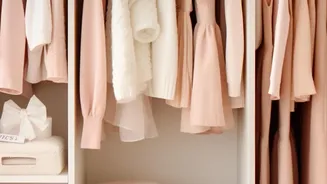
Before you can plan, you need to know what you have. A wardrobe audit is the crucial first step. Empty your closet and sort every item into categories like tops, trousers, ethnic wear, and outerwear. Then, honestly assess each piece. Most people only wear about 20-30% of their clothes regularly. Create three piles: keep, donate/sell, and discard. The 'keep' pile should only contain items that fit well, are in good condition, and make you feel confident. This process isn't just about decluttering; it’s about understanding your lifestyle and identifying which clothes truly serve you. What you are left with is the foundation of your functional wardrobe.
Unlock the Power of Combinations
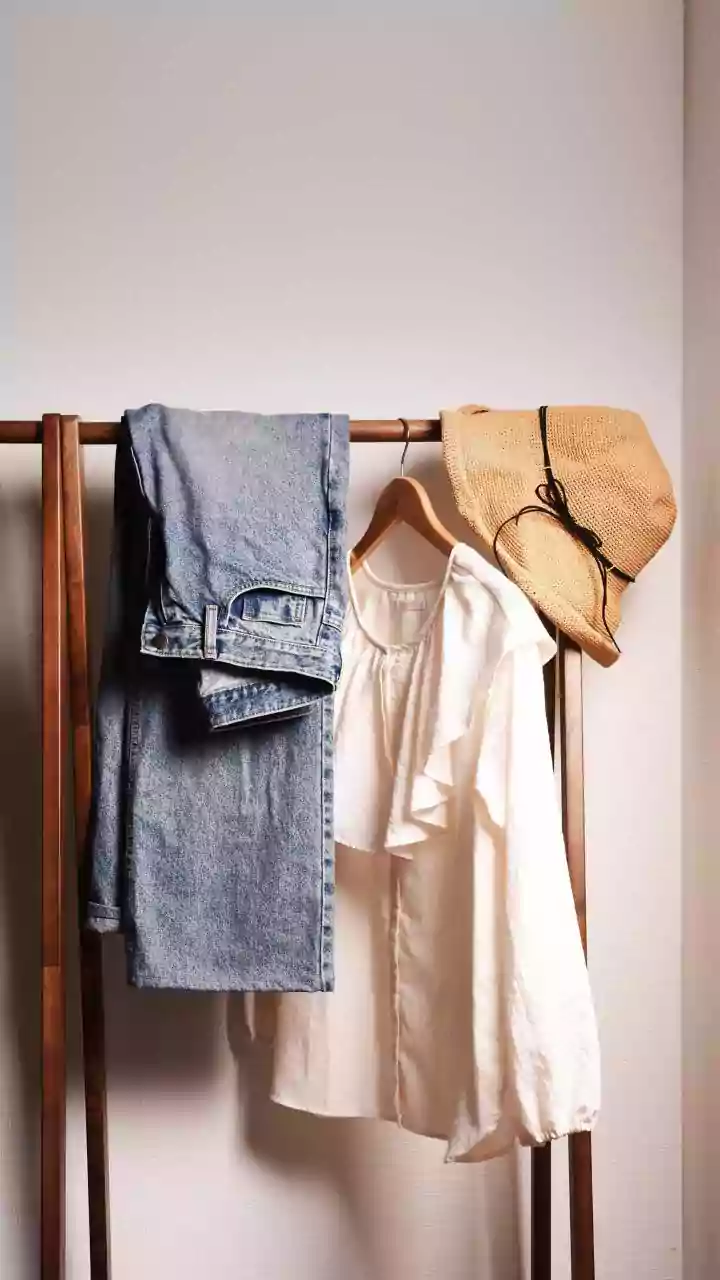
The secret to a versatile wardrobe lies in how well your clothes work together. Instead of seeing individual items, start seeing potential outfits. A great way to do this is to focus on 'wardrobe heroes'—versatile basics like a classic white shirt, well-fitting dark jeans, a neutral blazer, or a timeless saree that can be styled in numerous ways. Challenge yourself to create new pairings from your existing 'keep' pile. A good rule of thumb is that any new item should work with at least three pieces you already own. This mix-and-match approach multiplies your outfit options without adding clutter, reducing the stress of getting dressed and sparking creativity with what you already have.
Shop Strategically to Fill the Gaps
Once you have audited your closet and identified your most versatile pieces, you will see where the real gaps are. Shopping now becomes a strategic activity, not a recreational one. Instead of buying random items that catch your eye, you shop with a specific purpose: to find a piece that complements your existing combinations and meets a genuine need in your daily life. For example, you might realize you need a pair of smart trousers that work for both the office and casual evenings, or a versatile dupatta that can tie several kurtas together. This targeted approach ensures that every new addition adds maximum value and wearability to your collection, preventing 'wardrobe orphans'—isolated items that match nothing.