





The Non-Negotiable Basics
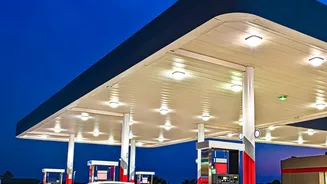
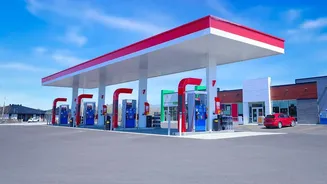
Any seasoned highway traveller has a mental checklist for rating a potential pit stop. At the top of that list, deservedly, are clean and usable washrooms, adequate lighting for security, and ample, safe parking. These are the fundamentals, the bare minimum
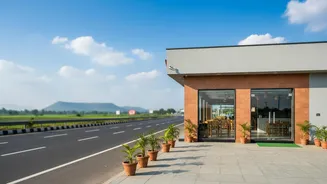
that separates a decent stop from a definite 'no'. In recent years, organisations like the National Highways Authority of India (NHAI) have been working to standardise these 'Wayside Amenities'. These officially designated spots often promise better infrastructure, including clean toilets, convenience stores, and sometimes even child care rooms. However, while these facilities contribute to comfort and peace of mind, they don't tell the whole story, especially when it comes to the most important part of the stop: the food.
The Freshness Formula: Why Turnover is King
This brings us to the core of a smarter stop-check: the principle of high turnover. The busiest dhabas are often the safest bet, not because of popular opinion, but because of simple food science. High customer traffic forces a restaurant to constantly replenish its raw ingredients. This rapid cycle means that vegetables, dairy, and meats are less likely to be sitting around for long periods, significantly reducing the risk of spoilage and foodborne illnesses. A bustling kitchen is a sign of fresh stock coming in and cooked food going out quickly. As FSSAI guidelines note, food served hot (above 60°C) is crucial for safety, and a busy kitchen is more likely to be cooking to order and serving food fresh off the stove. In contrast, a quiet eatery with a vast menu might be relying on older, refrigerated, or even frozen ingredients to cover all its bases, which increases the potential for safety issues.
How to Spot a High-Turnover Hero
So, how do you identify a high-turnover establishment from the driver's seat? The most obvious sign is the parking lot. Look for a healthy number of cars, and more importantly, trucks. Professional truck drivers are the lifeline of the highway economy and their frequent presence is a strong endorsement of a dhaba's quality, consistency, and value. Another good indicator is a bustling but efficient atmosphere. You want to see waiters moving quickly, a busy tandoor, and the sound of active cooking. A dhaba that is popular with local families is also a very positive sign. These visual cues are often more reliable than a fancy sign or an extensive, glossy menu.
Less is More: The Wisdom of a Limited Menu
Be wary of the dhaba that promises everything from Punjabi and South Indian to Chinese and Continental. A sprawling menu is often a red flag. It's nearly impossible for a single kitchen, especially a smaller roadside one, to maintain fresh ingredients for such a wide variety of dishes. A more focused menu, centred on regional specialities or a specific type of cuisine like pure vegetarian Punjabi fare, suggests the kitchen knows what it does well and has optimised its supply chain accordingly. Famous and trusted highway stops, like Sharma Dhaba on the Jaipur-Sikar highway known for Rajasthani food or the various dhabas in Murthal celebrated for their parathas, build their reputation on doing a few things exceptionally well.
Your Personal Safety Checklist
Ultimately, making a safe choice is about combining these observations. While high turnover is a great indicator, it's wise to do a quick personal check. Are the tables clean? Is the staff's appearance reasonably hygienic? Are they using bottled water or have a visibly well-maintained RO water dispenser? During monsoon, for example, it is smart to be extra cautious and avoid raw salads or anything with fresh garnishes unless you are very confident about the establishment's hygiene standards. Trust your instincts. If a place feels 'off' despite being busy, it's better to drive on. The goal is to find a stop that not only offers a delicious meal but also ensures your journey continues happily and healthily.