






The image of Indian agriculture is rapidly transforming. Beyond traditional farming, a new high-tech ecosystem is emerging, and Coimbatore's Agri Intex 2026 is its grand showcase. This premier trade fair is more than an exhibition; it's a window into
the future of agri-careers.
More Than a Trade Fair
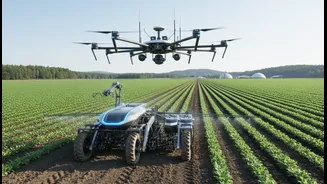
Running from July 9th to 13th, the 24th edition of Agri Intex, organized by the Coimbatore District Small Industries Association (CODISSIA), has become a focal point for agricultural innovation. This year, the event features 496 companies in over 660 stalls, highlighting the latest in farm machinery, smart farming solutions, and post-harvest technologies. But the real story isn't just the machinery on display; it's the jobs this technology creates. As India’s agri-tech sector is projected to create over a million new tech-driven jobs by 2025, events like Agri Intex are crucial for connecting talent with opportunity. Experts at the event have emphasized that mechanization and technology are the solutions to labor shortages and keys to boosting productivity.
The Drone Revolution Takes Flight
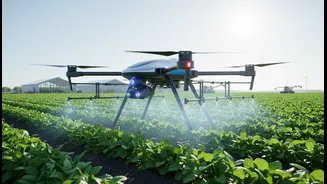
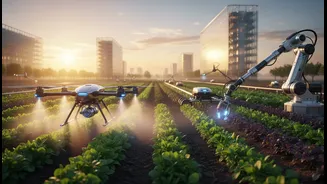
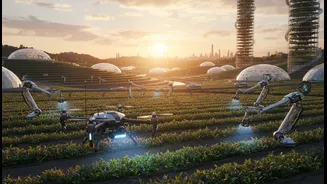
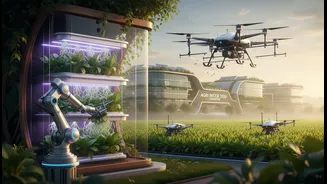
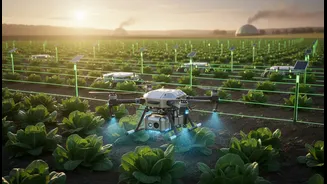
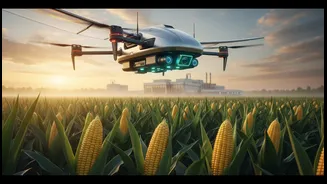
Walk through the exhibition halls, and the buzz around drones is impossible to ignore. Once novelties, agricultural drones are now essential tools, creating a demand for a new class of professionals. The most visible new role is that of the drone pilot. Certified by the DGCA, these pilots are trained to operate drones for tasks like precision spraying of pesticides and aerial crop monitoring. But the ecosystem extends further. Drone maintenance technicians are needed to keep the hardware in flying condition, while data analysts are required to interpret the high-resolution imagery and sensor data collected during flights. Agri-tech startups and service providers are actively hiring individuals with these skills, offering a chance for rural youth to find high-tech employment right in their communities.
A World of Sensors and Smart Data
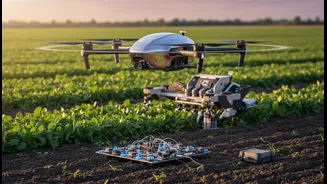
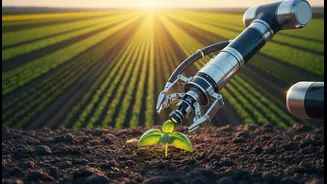
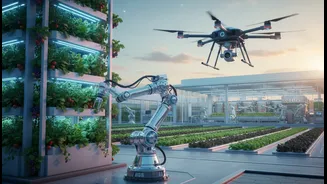
Precision agriculture, a major theme at Agri Intex 2026, is built on data. This is where sensors and the Internet of Things (IoT) come into play. The new agricultural workforce includes specialists who install and maintain networks of on-field sensors that monitor everything from soil moisture and nutrient levels to ambient weather conditions. These interconnected systems generate vast amounts of data that needs to be analyzed. This has given rise to roles like agricultural data scientists and AI agronomists. These professionals use artificial intelligence and machine learning models to translate raw data into actionable insights for farmers, helping them make smarter decisions about irrigation, fertilization, and pest control. This data-driven approach not only increases efficiency but also promotes sustainability by optimizing resource use.
Innovation in Food Processing
The journey from farm to table is also undergoing a technological overhaul, another key focus at Agri Intex. The food processing sector, which is critical for reducing post-harvest losses, is booming with opportunities. In hubs like Coimbatore, there's a growing demand for production managers, quality control inspectors, and food technologists who can operate and oversee modern processing facilities. These roles require expertise in food safety standards, supply chain management, and the operation of advanced machinery for packaging and preservation. As the industry moves towards value-added products—from health mixes to ready-to-eat meals—the need for research and development professionals to innovate new products and processes is also expanding.
The New Face of Agricultural Careers
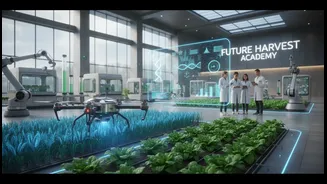
The shift highlighted at Agri Intex signifies a fundamental change in what it means to have a career in agriculture. It is no longer limited to working the land. The sector now offers a diverse range of roles for tech graduates, engineers, data scientists, and operations managers. Government initiatives like the Digital Agriculture Mission are further accelerating this trend by supporting startups and promoting the use of AI and data analytics in farming. While technology is transforming roles, it's also making agriculture a more attractive and profitable field for the next generation. The future of Indian agriculture is not just about growing food; it's about growing a skilled, tech-savvy workforce ready to innovate and lead the sector forward.