




Your Body's Inner Ecosystem
Often called a 'second brain' or a 'virtual organ,' the gut microbiome is a complex community of bacteria, viruses, and fungi that plays a huge role in our overall well-being. On Earth, a diverse and balanced microbiome is essential for everything from
digesting food and producing vital nutrients to regulating our immune system and even influencing our mental state. This internal ecosystem is a cornerstone of human health, constantly interacting with our body to keep things running smoothly. But when you send a person into space, this delicate balance is thrown into a completely new and hostile environment, forcing scientists to ask a crucial question: what happens to our inner world when we leave our own world behind?
Spaceflight's Assault on the Gut
The environment of a spacecraft is a triple threat to the microbiome. First, there's microgravity. The near-weightlessness of space slows down the entire digestive process. This delay gives gut bacteria more time to ferment protein instead of their usual carbohydrates, a shift that can lead to issues like constipation, a common complaint among astronauts. Second, there is the constant exposure to cosmic radiation, which can cause inflammation and damage to cells, including those in the gut lining. Finally, an astronaut's diet is limited to sterile, pre-packaged foods that lack the diverse microbes we encounter daily on Earth from fresh food and our environment. This combination of factors—microgravity, radiation, stress, and a low-microbe diet—creates a perfect storm for disrupting the gut's normal function.
The Ripple Effects on Astronaut Health
An unhappy gut can have serious consequences for an astronaut on a long mission. One of the biggest concerns is a weakened immune system. A disrupted microbiome can dysregulate the body's immune response, making astronauts more vulnerable to infections and even causing latent viruses, like those responsible for chickenpox, to reactivate. Studies on both mice and humans have shown that spaceflight alters the microbiome in ways that could suppress immune function. This could be catastrophic on a mission to Mars, where medical facilities are non-existent. Beyond immunity, an altered gut can affect nutrient absorption, bone density, mental health, and overall metabolic balance, all of which are critical for an astronaut's ability to perform their duties safely and effectively.
Studying the Cosmic Microbiome
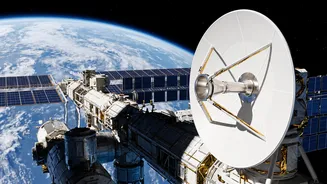
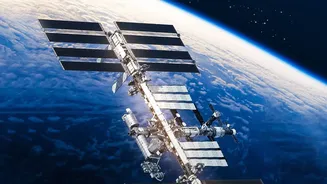
To understand these risks, space agencies like NASA are conducting extensive research. The 'Astronaut Microbiome' project, for instance, has collected samples from astronauts before, during, and after missions on the International Space Station (ISS) to track changes over time. Researchers have found that while some changes are temporary and revert after returning to Earth, the gut microbiome composition of different astronauts becomes more similar to each other's during spaceflight. Experiments aboard the ISS using mice have helped confirm that spaceflight causes consistent shifts in gut bacteria. This research is crucial for developing countermeasures, such as specialized diets rich in fiber and vegetables, or even custom probiotics and prebiotics designed to maintain a healthy gut balance during months or years in space.