





A Landmark Proposal for Regional Travel
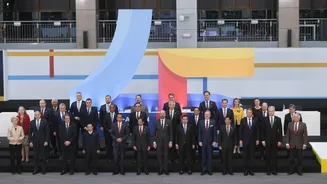
During the 23rd ASEAN-India Summit in Manila on November 17, 2026, Prime Minister Narendra Modi unveiled a proposal to completely waive the fee for electronic tourist visas for visitors from ASEAN countries. This initiative is a cornerstone of a broader
strategy to enhance India-ASEAN tourism cooperation and strengthen people-to-people connections. While an official start date has not yet been announced, the move signals a major step in making travel to India more accessible and affordable for millions in the region. It is important to note this is a fee waiver, not a complete visa waiver; travellers will still need to apply for an e-visa online before their trip, but the associated government charge would be eliminated.
Which Countries Stand to Benefit?
The plan covers all eleven member states of the Association of Southeast Asian Nations (ASEAN), a key regional bloc. The countries included are Brunei, Cambodia, Indonesia, Laos, Malaysia, Myanmar, the Philippines, Singapore, Thailand, Vietnam, and the bloc's newest member, Timor-Leste. While India already offers a free 30-day e-visa to some of these nations, including Indonesia, Myanmar, Malaysia, the Philippines, and Thailand, this new policy would harmonize the system and extend the benefit to all members. For travellers from Brunei, Cambodia, Laos, Singapore, Timor-Leste, and Vietnam, this would mean the removal of current visa fees, which typically range from $10 to $25 for a 30-day e-visa.
The 'Act East' Policy in Action
This visa initiative is a clear and practical application of India's 'Act East' policy, which prioritizes deeper economic and strategic engagement with Southeast Asian nations. By reducing barriers to travel, India aims to foster not just tourism but also greater cultural understanding and economic partnership. The announcement was part of a package of nine proposals Modi introduced at the summit, which also included initiatives for maritime security, cooperation on critical minerals, and enhanced educational exchanges. With direct flights already connecting India to nine of the eleven ASEAN countries, this policy is expected to create a seamless and inviting travel environment.
Expected Boost for Tourism and Economy
The potential economic impact of this move is substantial. Easier and cheaper visa processes are proven drivers of international tourism. In 2025, India received over 800,000 visitors from ASEAN countries, and this number is expected to climb significantly once the fee waiver is implemented. The influx of tourists will directly benefit India's hospitality sector, including hotels, tour operators, and local artisans, while also generating revenue and employment opportunities across the country. The proposal aligns with a broader trend of visa simplification that India has undertaken, including recent reforms that streamlined visa categories and reduced the information required on application forms by up to 70%.
What Happens Next?
While the announcement has generated considerable excitement, travellers should note that this is still a proposal. The Indian government has not yet confirmed an official implementation date or the specific details, such as whether the waiver will apply only to 30-day visas or also to longer-term one-year and five-year options. Until formal regulations are put in place, the existing visa rules and fee structures will remain in effect. However, the proposal marks a clear intention from the highest level of government, and prospective visitors from the ASEAN region can look forward to a simpler and more affordable journey to India in the near future.