


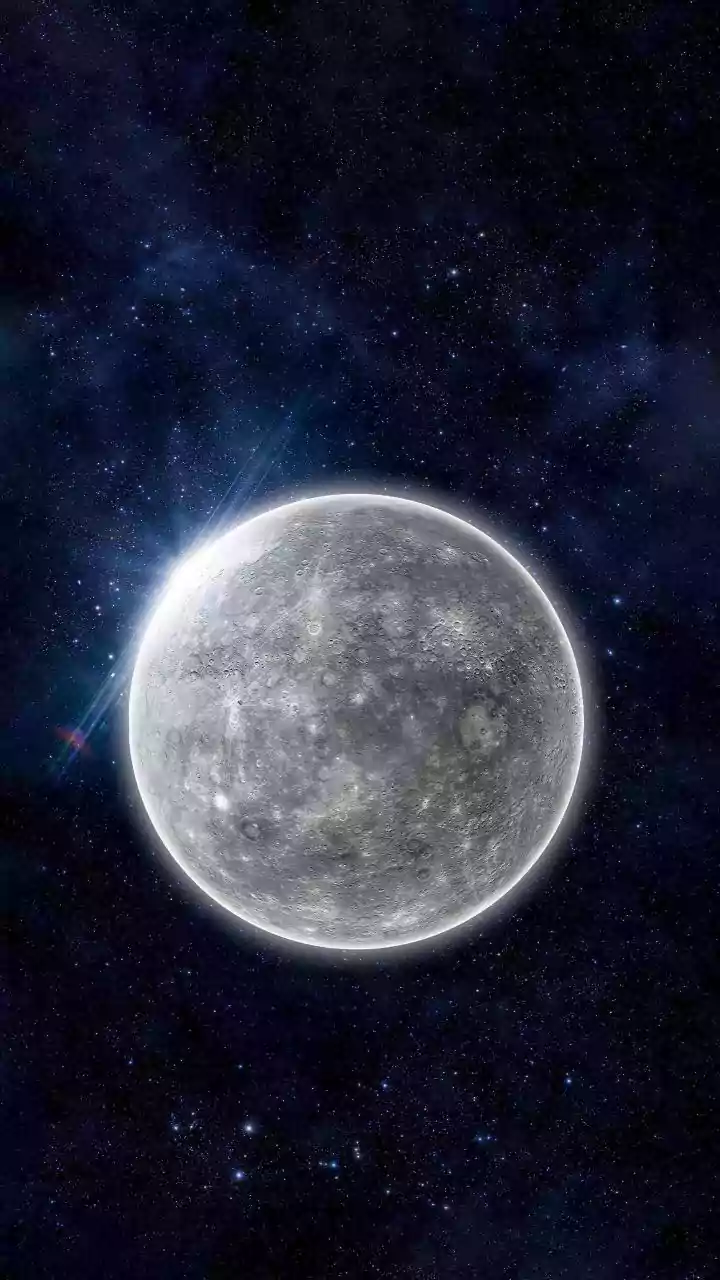




Saturn at Its Best and Brightest
Kicking off the month in style, Saturn reaches opposition on October 4. This is when Earth passes directly between the Sun and Saturn, making the ringed planet appear at its biggest and brightest for the entire year. It will be visible for most of the night,
rising around sunset in the east and setting around sunrise in the west. While you can spot Saturn as a bright, steady point of light with the naked eye, even a small telescope will reveal its famous rings. For observers in India, Saturn rises at approximately 6:11 PM on October 4 and will be visible all night long. This opposition provides a fantastic opportunity to appreciate the sixth planet from the Sun.
A Dance of Planets and the Moon
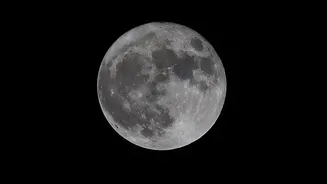
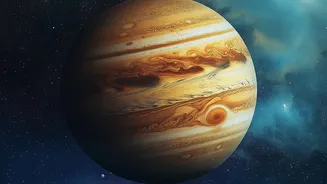
The days following Saturn's big night continue the celestial show. On October 5, early risers will be treated to a beautiful conjunction of the Moon and Mars in the eastern sky before dawn. Jupiter will also be nearby, creating a lovely grouping of three bright objects. The very next morning, October 6, offers another treat as the Moon passes close to Jupiter. For some viewers, this will be a lunar occultation, where the Moon actually passes in front of the giant planet. These alignments are wonderful opportunities for photography and for simply watching the clockwork of our solar system in motion.
The Seven Sisters Return
The headline-making Pleiades star cluster, also known as the Seven Sisters or M45, becomes a prominent feature of the evening sky in October. This stunning cluster of young, hot, blue stars is located in the constellation of Taurus and is one of the most easily recognizable deep-sky objects. To the naked eye, it looks like a tiny, shimmering dipper of about six or seven stars. Binoculars or a small telescope will reveal dozens more stars and a faint haze of dust surrounding them. On the nights of October 27 and 28, the Moon will pass near the Pleiades, creating a beautiful sight in the eastern evening sky.
Catch a Falling Star: The Orionids
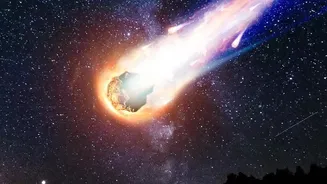
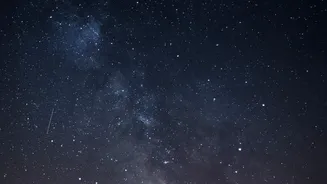
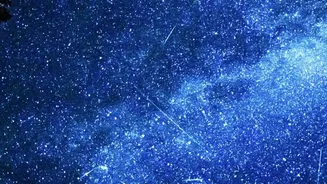
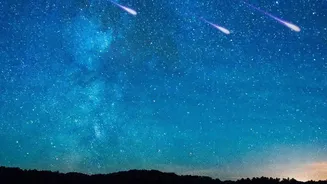
October is also a fantastic month for meteor showers, thanks to the Orionids. This shower, created by debris left behind by the famous Halley's Comet, peaks on the night of October 21 and into the morning of October 22. At its peak, you could see up to 20 meteors per hour in a dark sky. These meteors are known for being swift and occasionally leaving persistent, glowing trails. While a bright Moon will be present during the peak this year, it is expected to set a few hours before dawn. This creates a window of dark skies in the pre-dawn hours, which is the best time to watch for these remnants of a legendary comet streaking across the sky.