





Meet Your Body’s Master Clock
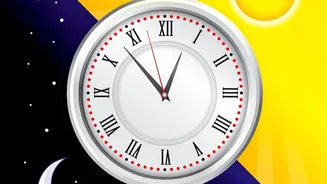
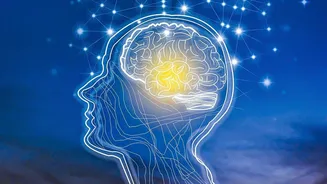
Deep inside your brain is a master clock called the suprachiasmatic nucleus (SCN). This tiny cluster of cells operates on a roughly 24-hour cycle, known as your circadian rhythm. It’s the internal conductor of your body’s orchestra, telling organs and
cells when to perform. This rhythm dictates nearly every biological process, from hormone release and metabolism to, crucially, your immune system's activity. Under normal conditions, your immune system has its own daily rhythm, ramping up during the day when you’re more likely to encounter threats and powering down at night for repair and memory consolidation. This predictable cycle keeps your body's defences strong and balanced.
The Problem of ‘Social Jetlag’
The problem arises when we stray too far from this internal schedule. Staying up late and sleeping in significantly on weekends or holidays creates a mismatch between your body clock and your social clock. Scientists call this 'social jetlag'. Even a shift of 90 minutes can have a noticeable impact. When you force a new schedule, you're essentially putting your body through the same stress as flying across a couple of time zones without ever leaving home. Research shows that a large percentage of adults experience at least an hour of social jetlag every week, creating a chronic state of misalignment for the body.
How Disruption Weakens Your Defences
This circadian disruption throws the immune system into disarray. Instead of its normal, rhythmic patrol, the system can get stuck in a state of persistent, low-grade activation. This means your body is constantly producing inflammatory signals, or cytokines. While inflammation is a vital part of the response to injury or infection, chronic inflammation is harmful and can damage healthy cells and tissues over time. Studies have found that people with greater social jetlag have higher levels of key inflammatory markers. This constant state of alert can make your immune system less effective when a real threat appears, increasing susceptibility to common illnesses like colds and the flu.
The Long-Term Consequences
The headline's claim about weakening 'over time' is where this chronic inflammation becomes particularly concerning. Each weekend of significant sleep shifts contributes to this inflammatory burden. It’s not just about feeling groggy on a Monday; this recurring disruption can have a cumulative impact. Studies have shown that chronic sleep disruption can alter the very DNA of immune stem cells, and that catching up on sleep doesn't necessarily reverse these molecular changes. This sustained inflammatory state is linked to a higher risk for numerous long-term health issues, including cardiovascular disease, metabolic syndrome, and autoimmune disorders. Furthermore, an out-of-sync immune system may have a reduced response to vaccinations, making them less effective.
Smarter Strategies for Holiday Rest
This doesn't mean you can never enjoy a lazy morning again. The key is moderation and consistency. Experts suggest trying to keep your wake-up time on holidays and weekends within an hour or so of your weekday schedule. If you stayed up much later than usual, consider a short nap of 20-30 minutes in the early afternoon rather than a long lie-in that pushes your whole schedule back. Another powerful tool is morning light. Getting sunlight exposure shortly after you wake up helps to reset your master clock, signalling that the day has begun and keeping your circadian rhythm anchored, even if you’ve slept in a little.