




The Daily Dilemma of Plastic
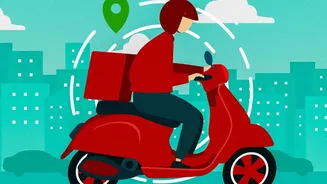
India's thriving food delivery culture, a lifeline for busy urbanites, generates a staggering amount of single-use plastic waste daily. These convenient containers, often used for mere minutes, persist in the environment for hundreds of years, clogging
landfills, polluting waterways, and breaking down into harmful microplastics. While recycling is an option, a vast quantity of food-soiled plastic is difficult to process and ends up as permanent waste. This has created an urgent need for packaging that serves its purpose without leaving a centuries-long legacy of pollution.
From Farm Waste to Food Box
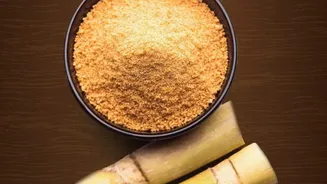
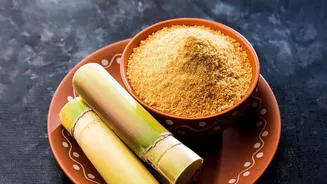
Enter bagasse, the fibrous material left over after juice is extraction from sugarcane stalks. Traditionally, this agricultural residue was either burned, contributing to air pollution, or simply discarded. Now, through innovative manufacturing, this waste product is being transformed into valuable, eco-friendly food packaging. The process is relatively straightforward: the raw bagasse is cleaned, pulped into a slurry with water, and then moulded into various shapes like bowls, plates, and clamshell containers using high heat and pressure. This repurposing of an agricultural byproduct creates a circular system, turning potential waste into a practical solution.
The Environmental Payoff
The benefits of using sugarcane packaging are significant. First and foremost, it is biodegradable and compostable. Under the right conditions, such as in an industrial composting facility, it can break down into nutrient-rich compost in as little as 60 to 90 days, leaving no toxic residue behind. This stands in stark contrast to plastic, which can take over 400 years to decompose. Furthermore, the production of bagasse packaging generally has a lower carbon footprint, consuming less energy and water compared to petroleum-based plastics. As it is derived from sugarcane, a rapidly renewable crop, it also reduces our dependency on finite fossil fuels.
More Than Just Eco-Friendly
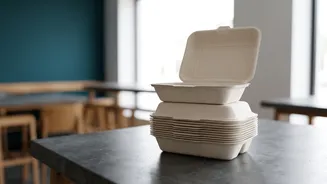
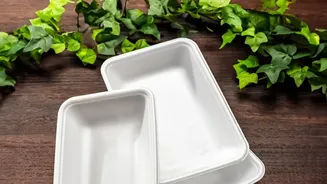
Beyond its green credentials, sugarcane packaging is highly practical for food delivery. The material is surprisingly durable, lightweight, and naturally resistant to grease and water. It is also heat-resistant and safe for use in microwaves, making it ideal for serving hot meals like curries and soups without warping or leaching harmful chemicals. Many manufacturers in India now offer a wide range of these products, from meal trays with multiple compartments to large bowls with secure lids, catering specifically to the diverse needs of cloud kitchens, restaurants, and catering services.
Is It a Perfect Solution?
While bagasse packaging is a major step forward, its widespread adoption in India faces some hurdles. One of the main challenges is cost, as producing biodegradable materials can be more expensive than mass-producing plastic. Another significant issue is the lack of proper waste management infrastructure. For bagasse to be truly effective, it needs to be composted. While it can break down in a home compost bin over a longer period, it decomposes most efficiently in industrial composting facilities, which are scarce in many parts of India. Without proper segregation and composting channels, these containers can still end up in landfills, where their environmental benefit is reduced. Consumer awareness and overcoming the deeply entrenched reliance on cheap plastic are also key challenges.