




An Invitation to the Moon
In August 2026, NASA formally invited the Indian Space Research Organisation (ISRO) to join its Moon Base program, an ambitious effort to establish a permanent human research station near the lunar south pole. This isn't just a friendly gesture; it's
a strategic move that builds upon India's 2023 decision to sign the Artemis Accords. The Accords are a U.S.-led framework outlining principles for peaceful and transparent space exploration, and with India's signature, it became the 27th nation to join a coalition that has now grown significantly. The partnership deepens a long-standing collaboration on civil space projects, including the recently launched NASA-ISRO Synthetic Aperture Radar (NISAR) satellite, a sophisticated Earth-observation mission. This new lunar focus, however, takes the relationship from observing our own planet to building a future on another world.
What India Brings to the Table
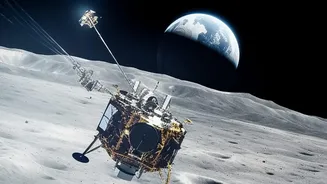
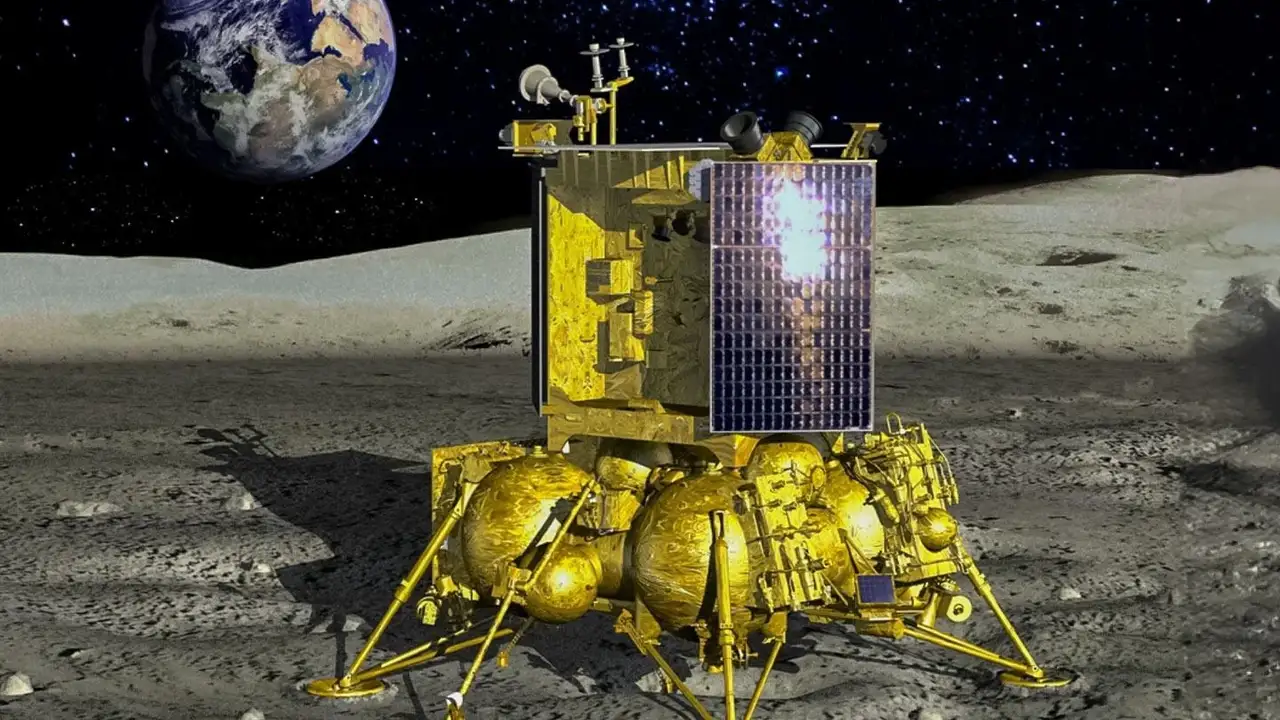
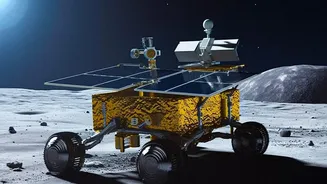
India isn't just a junior partner in this arrangement; it’s a rising space power with a track record of remarkable achievements. ISRO has become renowned for its engineering prowess and cost-effective missions. The crowning achievement is the Chandrayaan program. In 2023, the Chandrayaan-3 mission made India the first and only country to successfully execute a soft landing in the Moon's south pole region—the very area NASA is targeting for its base. This feat, accomplished on a comparatively modest budget, demonstrated a level of precision and capability that few nations possess. India's Chandrayaan-1 mission was also instrumental, as it was one of the first to confirm the presence of water molecules on the Moon. With plans for a sample-return mission (Chandrayaan-4) already in the works, India brings invaluable experience and data to NASA’s lunar ambitions.
NASA's Artemis Base Camp Vision
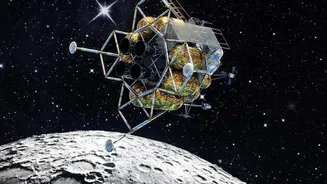
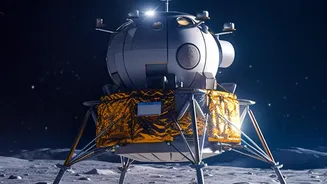
NASA's goal is no longer just to plant flags and leave footprints. The Artemis program aims to establish a sustainable, long-term human presence on the Moon, a project known as the Artemis Base Camp. The plan involves a lunar cabin, a pressurized rover for long-range travel, and a mobile home, all designed to allow astronauts to live and work on the lunar surface for up to two months at a time. This isn't something NASA can, or wants to, do alone. The entire Artemis strategy relies heavily on international and commercial partners contributing everything from robotics to habitat modules. The lunar south pole was chosen specifically for its scientific value, particularly the permanently shadowed craters believed to hold vast quantities of water ice, a critical resource for generating breathable air and rocket fuel.
The Geopolitical Big Picture
This partnership is about more than just science and exploration; it's a calculated geopolitical move. In what is often called a 'new space race,' the United States is focused on building a coalition of like-minded, democratic nations to set the norms for space exploration. This is seen as a direct counterpoint to the ambitions of China and Russia, who are pursuing their own lunar base plans but are not part of the Artemis Accords. By bringing India—a major economic and technological power—firmly into its camp, the U.S. strengthens the international consensus around the Accords. It aligns American technological leadership with Indian innovation, creating a formidable alliance that aims to lead the development of a rule-based order for the coming era of lunar activity.