








The Problem with Calorie Counting
For many young people, healthy eating has been reduced to a stressful numbers game. The constant tracking of calories, fats, and carbohydrates can create a cycle of anxiety and restriction. This focus on numbers often ignores the nutritional quality of food,
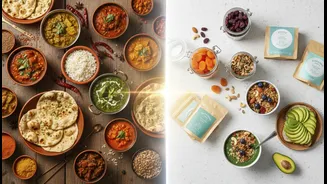
leading to choices that might be low in calories but are also low in essential vitamins and minerals. Worse, this obsession can morph into unhealthy eating patterns and a negative relationship with food, where meals are a source of guilt rather than nourishment and joy. The pressure is amplified in Indian culture, where food is deeply connected to love, celebration, and family. Refusing a dish at a family gathering can be misconstrued, adding another layer of complexity for a young person trying to navigate a restrictive diet.
What Exactly Is Food Literacy?
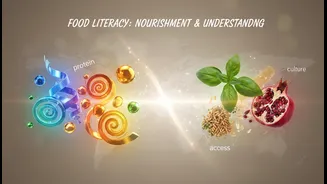
Food literacy is much more than just knowing good foods from bad. It is a deeper understanding of food from farm to table. This includes knowledge and skills in planning meals, selecting ingredients, cooking, and understanding how food choices impact one's health, the environment, and the community. It’s about being able to read a nutrition label to understand its contents, not just its calorie count. It involves learning basic cooking techniques, which empowers individuals to prepare their own meals. Crucially, it also fosters a positive and mindful relationship with eating, encouraging people to listen to their body's natural hunger and fullness cues. The goal is to move from restriction to connection, and from stress to confidence in one's food choices.
Embracing Intuitive and Mindful Eating
A core tenet of food literacy is shifting towards intuitive eating—honouring your body’s signals of hunger and satisfaction. This approach rejects the diet mentality of labelling foods as 'good' or 'bad'. Instead, it promotes an 'all foods fit' philosophy where variety and moderation are key. This aligns beautifully with traditional Indian food wisdom, which has always emphasized balance, seasonality, and mindfulness. The Ayurvedic concept of 'Agni', or digestive fire, suggests that how we eat is as important as what we eat; a relaxed, focused state during meals is seen as essential for proper digestion and nourishment. Rather than banning festive sweets or family favourites, intuitive eating encourages savouring them mindfully and without guilt, making celebrations enjoyable again.
Building Healthy Habits at Home
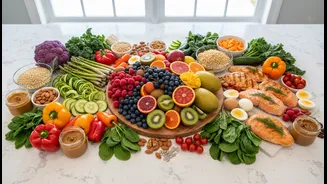
Parents and families play a crucial role in fostering food literacy. One of the most effective ways is to involve children in the entire food process. Taking them grocery shopping and teaching them to read labels for ingredients—not just calories—is a great start. Cooking together can transform meal preparation from a chore into a fun, bonding activity while teaching practical life skills. Instead of focusing on weight or appearance, conversations around food can be shifted to how it provides energy, strength, and enjoyment. Another simple yet powerful tool is the 'Plate Method': visually dividing a plate into sections for vegetables (half), protein (a quarter), and carbohydrates (a quarter) to ensure a balanced meal without obsessive counting.
The Role of Schools in the Food Revolution
Schools are a vital space for building a foundation of food literacy. Integrating this education into the curriculum can have a lasting impact. Initiatives like school nutrition gardens, simple cooking sessions, and lessons on reducing food waste help children connect with their food in a tangible way. In India, there are already efforts to introduce structured nutrition and lifestyle curricula into schools, rooted in Indian culture and traditions. By teaching children not just about nutrients but also about mindful eating, the joy of shared meals, and respecting food, we can empower them to become advocates for their own health and influencers within their families and communities.