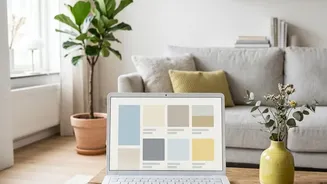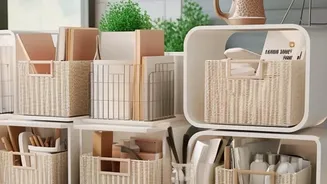



Your bookshelves do more than just hold books—they're a canvas for your personality. If yours feel more like cluttered storage than a style statement, it’s time for a refresh. Here’s how to transform them into a true reflection of you.
Start With a Blank Canvas
The first step to
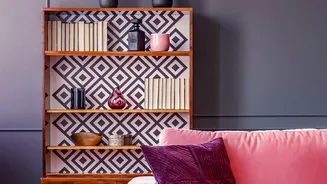
any great redesign is to clear everything off your shelves. It might feel like a hassle, but starting with a completely empty bookcase allows you to see the space with fresh eyes. It gives you the freedom to rethink the placement of every single item, ensuring that what returns has earned its place through either beauty or meaning. This is also the perfect opportunity to dust the shelves and decide if the bookcase itself could use a little love, perhaps with a fresh coat of paint or even by adding wallpaper to the back for a pop of colour and pattern.
Vary Your Book Orientations
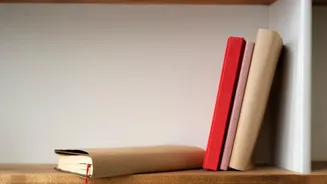
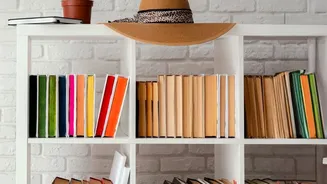
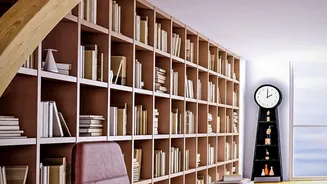
Break the monotony of endless vertical spines by mixing up how you arrange your books. Create visual rhythm by stacking some horizontally and standing others up vertically. Horizontal stacks are not only visually interesting, but they also create practical platforms for smaller decorative objects. This technique adds dynamic layers and is one of the most effective ways to achieve a curated look without much effort. Don't be afraid to play with the arrangement until it feels balanced and dynamic.
Incorporate Meaningful Objects
A bookshelf shouldn’t just be for books. It’s a prime spot to display items that tell your story. Weave in personal treasures like framed photos, travel souvenirs, family heirlooms, or sculptures. These items inject personality and make the space feel uniquely yours. Instead of using generic filler, 'shop' your own home for meaningful pieces that reflect your hobbies and passions. The goal is to create a display that feels collected and intentional, not just decorated.
Play with Height and Scale
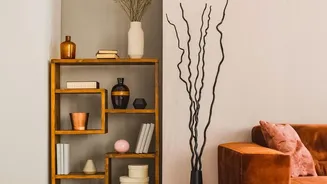
To create a visually appealing display, it's crucial to vary the heights and sizes of the items on your shelves. Mix tall objects like vases or candlesticks with shorter, wider pieces. This contrast prevents the arrangement from feeling flat. Use larger items as 'anchors' to ground your display and give the eye a place to rest, then fill in with medium and smaller pieces. Stacking books is a great way to create different levels and elevate smaller objects.
Layer for Depth and Dimension
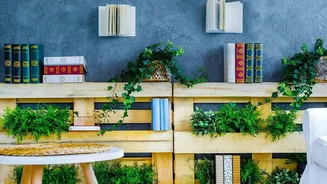
Layering is a key technique used by interior designers to make shelves feel dynamic and deep. Place larger items, like a piece of framed art, leaning against the back of the shelf. Then, position smaller objects in front of them. This simple trick adds dimension and creates a more collected, thoughtful look. You can also tuck smaller items behind a stack of books or let greenery hang over the edge of a shelf to achieve a layered effect.
Add a Touch of Nature
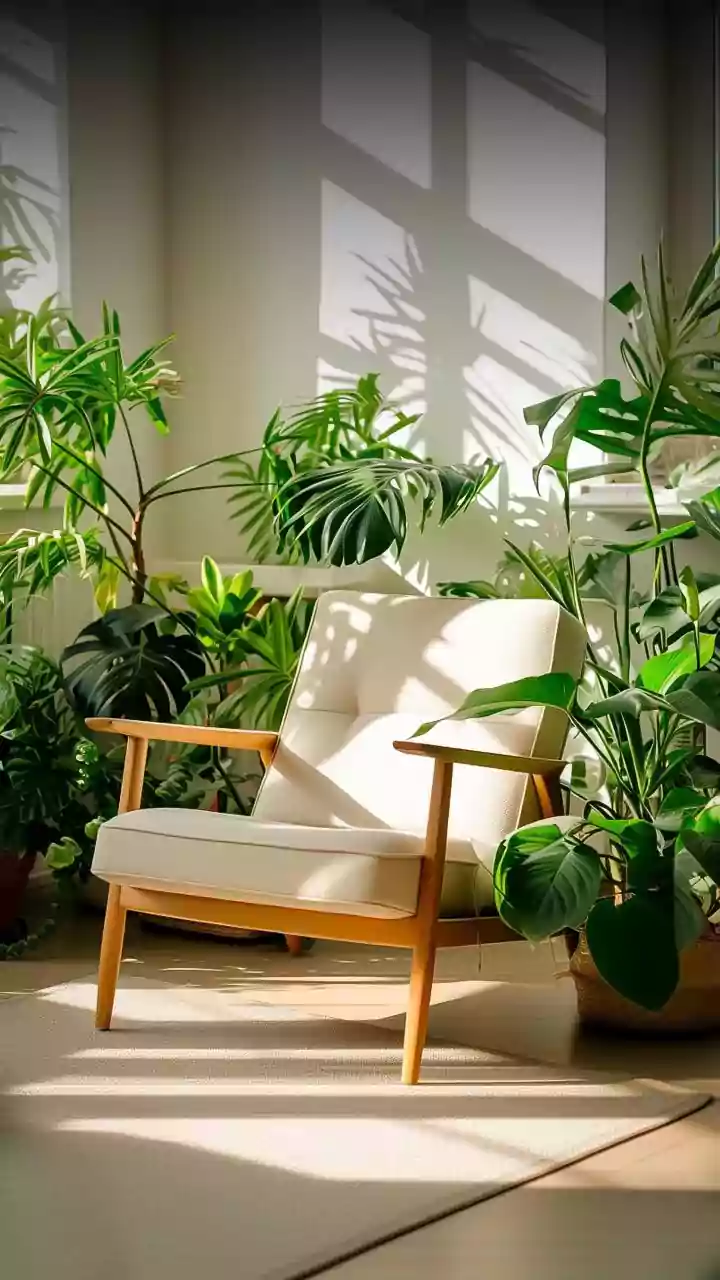
Bringing natural elements onto your shelves is a simple way to add life, texture, and warmth. A few well-placed houseplants can introduce a splash of green that breaks up the hard lines of books and objects. If you're worried about sunlight, many low-light plants like snake plants, pothos, and ZZ plants are great options. If you don't have a green thumb, faux plants can look just as good. Other natural touches like a piece of driftwood, coral, or a small bowl of stones can also add organic texture.
Remember to Leave Breathing Room
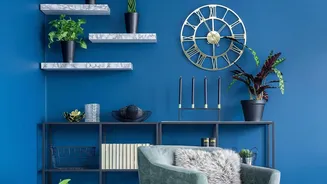
One of the biggest mistakes in bookshelf styling is overcrowding. Resist the urge to fill every square inch of space. Negative space, or 'breathing room', is essential for a balanced and harmonious look. It allows the eye to rest and helps highlight the items you’ve chosen to display. A well-styled shelf often feels curated and uncluttered, so don't be afraid of a little emptiness. Remember that less is often more.