





The Humidity and Oil Overdrive
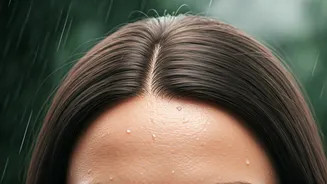
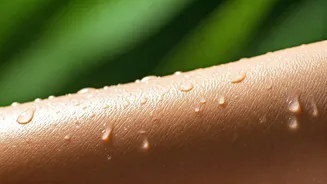
The defining characteristic of the monsoon season is high humidity. While you might think more moisture in the air is good for hydration, it has a more complicated effect. High humidity can confuse your skin's oil production, often sending it into overdrive.
This excess oil, or sebum, mixes with sweat, dirt, and dead skin cells, creating a perfect recipe for clogged pores. For those with already oily or acne-prone skin, this period can see a significant increase in breakouts, blackheads, and a persistent greasy feeling. Even dry skin types may notice an oily surface while feeling dehydrated underneath as the skin barrier's function becomes disrupted.
A Breeding Ground for Infections
Warm, moist environments are the ideal breeding grounds for fungi and bacteria, and the monsoon provides these conditions in abundance. This leads to a sharp increase in skin infections. Fungal infections like ringworm and athlete's foot are particularly common, appearing as itchy, red, and often circular patches in skin folds such as the underarms, groin, and between the toes. Bacterial infections like folliculitis, which is an inflammation of the hair follicles, can also thrive, appearing as small, red, pimple-like bumps. Constant dampness from wet clothes or not drying off properly significantly elevates this risk.
Your Monsoon Skincare Defence Plan
Fighting the effects of monsoon humidity doesn't require a complete overhaul of your routine, but rather a few strategic adjustments. The goal is to control excess oil, prevent clogged pores, and protect your skin barrier from the challenges of the season. A simplified approach focusing on gentle but effective products will keep your skin clear, healthy, and radiant through the rains. The following steps provide a dermatologist-approved framework for a robust monsoon skincare regimen.
Cleanse Thoroughly, but Gently
With the accumulation of sweat, oil, and grime, cleansing twice a day is non-negotiable. Opt for a gentle, pH-balanced cleanser that removes impurities without stripping the skin of its natural oils. For oily skin types, a foaming or gel-based cleanser can be effective. Some experts even recommend double cleansing in the evening—starting with an oil-based cleanser to break down makeup and sunscreen, followed by a water-based cleanser to deep clean pores.
Make Exfoliation a Priority
Exfoliation becomes a crucial step during the monsoon to prevent pores from clogging. By sloughing away the build-up of dead skin cells, you keep your skin's surface smooth and reduce the chance of breakouts. However, be careful not to overdo it, as humidity can also make skin more sensitive. Exfoliating one to three times a week is generally sufficient. Chemical exfoliants with salicylic acid are particularly effective as they can penetrate into the pores to dissolve oil and debris.
Switch to a Lightweight Moisturiser
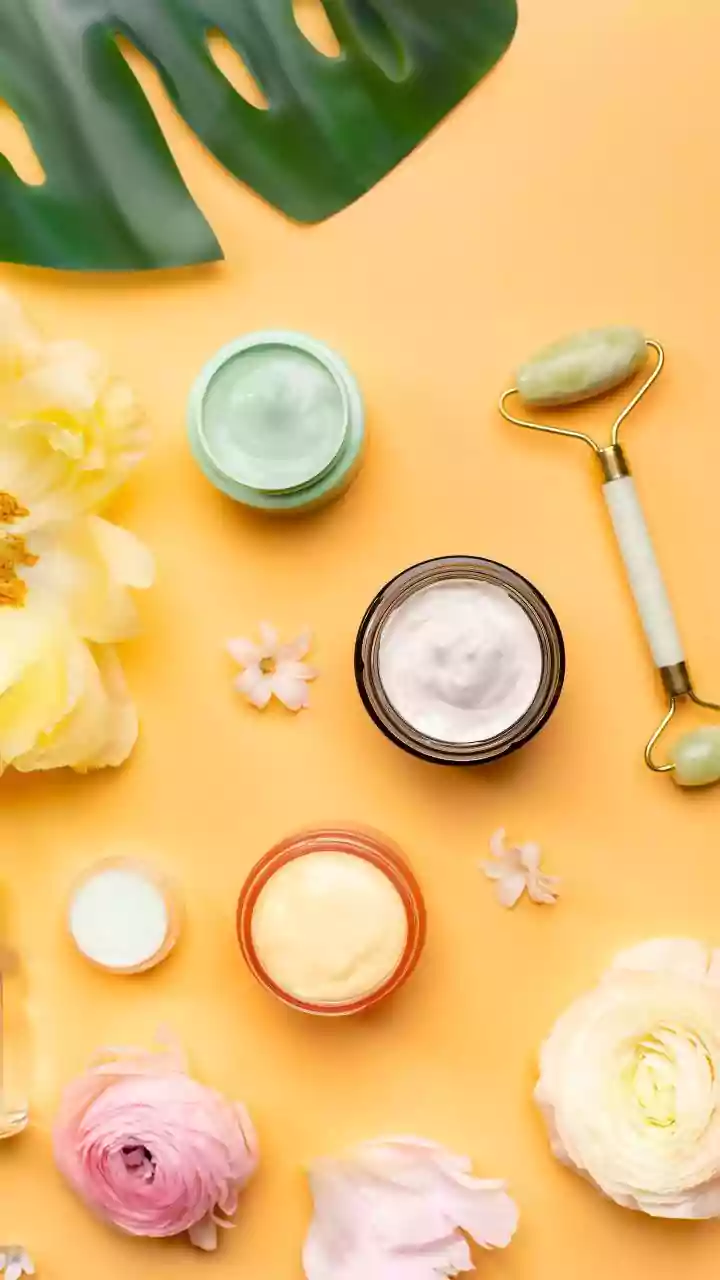
It’s a common mistake to skip moisturiser when your skin feels oily, but this can backfire by causing dehydration and prompting your skin to produce even more oil. The key is to switch from heavy creams to a lightweight, water-based, or gel-based moisturiser. Look for non-comedogenic formulas that won't clog pores. Ingredients like hyaluronic acid and glycerin are excellent as they provide hydration without adding greasiness.
Never Skip Sunscreen, Even on Cloudy Days
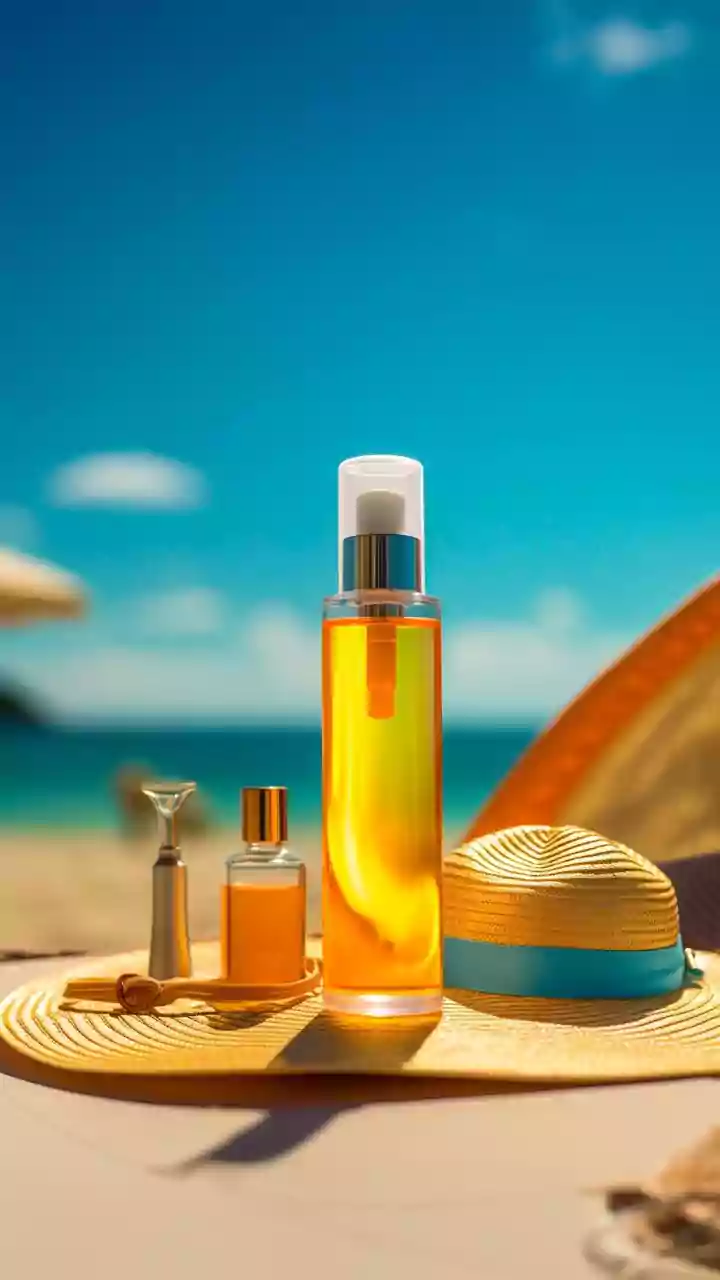
Cloudy monsoon skies can be deceptive, but up to 80% of the sun's harmful UV rays can still penetrate through the clouds. Sunscreen is essential every single day to protect against sun damage, premature aging, and hyperpigmentation. Choose a broad-spectrum, oil-free sunscreen with an SPF of at least 30. A lightweight or gel-based formula will feel more comfortable on the skin in humid conditions.