

The Great Indian Fermentation Revival
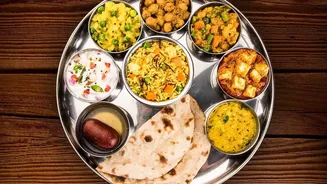
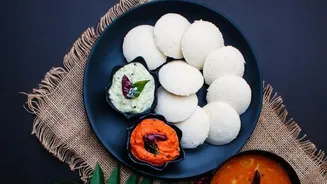
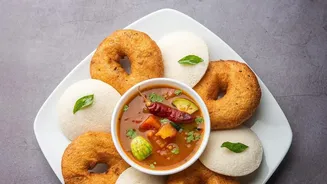
From dosa and idli in the south to dhokla in the west and kanji in the north, fermented foods are woven into the fabric of India’s culinary identity. For generations, these were simply a part of daily meals, valued for taste and preservation. Today, however,
there's a renewed and conscious appreciation for them. Driven by a global wellness trend focusing on gut health, these traditional preparations are being celebrated as homegrown superfoods. Modern science confirms what our grandmothers always knew: fermentation enhances nutrition, making foods easier to digest and boosting the bioavailability of vitamins and minerals. This process introduces beneficial probiotics to our system, which are crucial for a healthy gut microbiome, supporting everything from digestion to immunity.
When Rigid Recipes Fall Short
As interest grows, many home cooks turn to precise, written-down recipes to recreate these staples. A recipe might say, "ferment for 8 hours," but this instruction is where things can go wrong. Fermentation is a living process, a dance between microorganisms, temperature, and humidity. Eight hours in a cool Bengaluru monsoon is vastly different from eight hours during a sweltering Delhi summer. A recipe written in one climate can easily fail in another, leaving the cook with a flat, lifeless batter and a sense of disappointment. This is why the headline's core idea is so vital: focusing on a rigid time or measurement misses the point. The real tradition lies not in the book, but in the cook’s intuition.
Learning to 'Check' the Ferment
The key to mastering fermentation is to move beyond the clock and engage your senses—the very tools our ancestors used. Temperature is a key driver, but smell, sight, and even sound are your best guides. A healthy idli or dosa batter will change its aroma from a raw, beany smell to a pleasant, slightly sour, and yeasty one. Visually, you will see it rise and become aerated, filled with tiny bubbles that signal active fermentation. The texture will transform from dense and heavy to light and airy. For beverages like kanji, you might see gentle bubbling at the surface. A quick taste can also tell you if the desired tanginess has developed. If a ferment smells unpleasantly pungent, acrid, or shows signs of fuzzy mould, you'll know it has failed. These sensory checks are far more reliable than any fixed timeline.
Reclaiming Our Culinary Intuition
This shift from recipe-following to process-checking is not about abandoning tradition; it's about reclaiming its true essence. Before cookbooks were common, culinary knowledge was passed down through observation and sensory experience. A mother would show her daughter what the batter should look and smell like, not just hand her a list of measurements. This intuitive approach empowers the cook. It fosters a deeper connection with the food, turning a formulaic task into a creative, responsive act. It encourages you to adapt to your specific environment and ingredients, making you a more confident and resilient cook. By learning to read the signs, you are honouring the ingenuity of generations of Indian cooks who mastered this natural science long before it was studied in labs.