

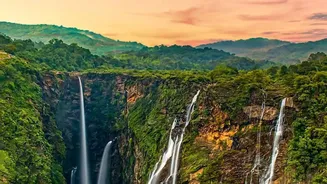


The Irresistible Pull of a Monsoon Drive
There's a unique romance to driving during the Indian monsoon. The air is fresh, the landscape is a vibrant green, and the journey to a hill station like Lonavala, Munnar, or Kodaikanal becomes an experience in itself. Recent travel trends confirm this,
showing a significant surge in hotel bookings in popular monsoon destinations. Travellers are increasingly chasing nature-based experiences, making destinations in Kerala, the Northeast, and the Nilgiris more popular than ever during this season. But while the destination is the goal, the journey requires special attention. The same rain that makes the scenery beautiful also makes roads treacherous, demanding that your vehicle is in peak condition before you even think of hitting the highway.
See and Be Seen: The Visibility Checklist
Poor visibility is one of the biggest dangers of monsoon driving. Your first line of defence is your car's own ability to see and be seen. Start with your wiper blades; the heat of the Indian summer can cause the rubber to crack and harden. If your wipers leave streaks, skip patches, or make a squealing noise, it's time to replace them. This is an inexpensive fix that is critical for safety. Next, check all your lights: headlights (both high and low beam), tail lights, brake lights, and indicators. Driving with headlights on low beam during heavy rain is crucial for your visibility and for others to see you. If your headlamp lenses are foggy or yellowed, use a simple restoration kit to clean them, as this can significantly improve brightness.
Grip is Everything: Tyres and Brakes
Your tyres are the only part of your car in contact with the wet, slippery road. Their condition is non-negotiable for a safe monsoon trip. Experts recommend a minimum tread depth of 3mm for wet conditions to prevent aquaplaning—where your car essentially surfs on a layer of water, losing all traction. Also, check your tyre pressure regularly, as it can fluctuate with temperature changes. Brakes are equally important, as stopping distances increase dramatically on wet surfaces. Listen for any grinding or squealing sounds, which could indicate worn-out brake pads. It's also wise to have your brake fluid checked. If it hasn't been changed in two years, it may have absorbed moisture, which can make your brakes feel spongy and less effective when you need them most.
Under the Hood: Engine and Electricals
Moisture is the enemy of your car's electrical systems. Before your trip, get your battery checked, especially if it's more than three years old. Ensure the terminals are clean and free of corrosion. A dead battery in the middle of a downpour is a situation everyone wants to avoid. Inspect the wiring in the engine bay for any visible cracks or exposed wires that could short-circuit in the wet. Your car's air conditioning system also plays a vital safety role during the monsoon. It's the most effective tool for demisting a fogged-up interior windshield, ensuring you have a clear view of the road ahead. Test both the AC and the rear defogger to make sure they are working efficiently.
The Emergency Kit: Your Monsoon Safety Net
Even with the best preparation, things can go wrong. Driving in the hills during monsoon carries risks like unexpected roadblocks or getting stuck for long periods. Being prepared can turn a crisis into a manageable inconvenience. Your monsoon emergency kit should include a tow rope, a high-power flashlight, a first-aid kit, and a tyre inflator with a puncture repair kit. It's also a good idea to pack some snacks, drinking water, and a power bank for your phone. These simple items can be a lifesaver if you find yourself stranded while waiting for the weather to clear or for assistance to arrive. Check that your spare tyre is properly inflated and in good condition before you leave.