







Artificial intelligence leader Anthropic has officially filed paperwork for an Initial Public Offering (IPO), sparking major excitement. But a filing is just the first step on a long and complex journey to the stock market. Here’s what it means.
The Filing: A Statement of Intent
When a
company like Anthropic files for an IPO, it is submitting a registration statement, most commonly a Form S-1, to the U.S. Securities and Exchange Commission (SEC). This document is a comprehensive prospectus containing the company's business model, detailed financial statements, potential risks for investors, and its strategic vision. Think of it as the company opening its books to regulators and, eventually, the public. The purpose is to provide enough transparent information for potential investors to make an informed decision. It is a declaration of intent to go public, but it is not the offering itself. The SEC must review and declare the filing 'effective' before any shares can be sold.
The SEC Review and 'Quiet Period'
After the S-1 is submitted, the SEC's Division of Corporation Finance begins a thorough review. It’s normal for the SEC to return a 'Comment Letter' within about 30 days, asking for clarifications, more detail on risks, or changes to how information is presented. The company then files amendments, known as an S-1/A, to address these comments. This back-and-forth can happen several times. During this phase, the company is in a 'quiet period', where it is legally restricted from making promotional statements that could be seen as hyping the stock. The entire process ensures that the final prospectus is as accurate and complete as possible before it reaches investors.
The Roadshow: Gauging Investor Appetite
Once the S-1 is publicly available and the SEC's major concerns are addressed, the company embarks on an IPO 'roadshow'. This is a series of high-stakes presentations where Anthropic’s top executives and their investment bankers will travel to meet with large institutional investors like mutual funds and pension funds. The goal is to pitch the company's story, highlight its growth potential, and build excitement for the offering. More importantly, this process helps underwriters gauge demand—how many shares investors are willing to buy and at what price. This feedback is critical for the next step.
Pricing the Deal
The night before the stock is scheduled to begin trading, the company and its underwriters hold a pricing meeting. Based on the demand generated during the roadshow, they will determine the final IPO price and the number of shares to be sold. This is a delicate balancing act. If the price is too high, the stock might struggle to attract buyers and could fall on its first day of trading. If it's too low, the company leaves money on the table. The price is set, the final paperwork is filed, and shares are allocated to the institutional investors who committed during the roadshow.
Listing Day: Ringing the Bell
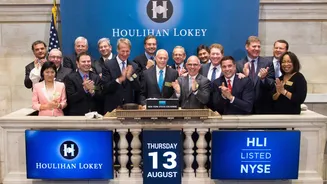
This is the moment everyone waits for: the completed listing. On the morning of the IPO, Anthropic's stock will begin trading on a public exchange like the NASDAQ or New York Stock Exchange under a specific ticker symbol. The opening price is determined by the first trades between buyers and sellers on the open market. This is the culmination of a process that often takes six to twelve months from the initial planning stages. From this day forward, Anthropic will be a public company, with its stock price fluctuating based on performance, market sentiment, and broader economic factors.
Why a Filing is Not a Guarantee
It's crucial to remember that companies can and do withdraw their IPOs after filing. A company might pull back if market conditions become volatile, making it difficult to achieve a favorable valuation. Sometimes, the feedback from the roadshow reveals weaker than expected investor demand, prompting a company to postpone rather than risk a disappointing debut. In other cases, a strategic opportunity, like an acquisition offer from another company, might present a more attractive alternative to going public. The filing signals the race has begun, but it doesn’t guarantee the company will cross any finish line.